


The Price of Compassion: Albuquerque’s Furred Futures and the Unseen Hand of Austerity
POLICY WIRE — Albuquerque, N.M. — It’s a quietly damning tableau, isn’t it? Amid the arid expanse of New Mexico’s most populous city, the battle isn’t always fought in boardrooms or legislative...

POLICY WIRE — Albuquerque, N.M. — It’s a quietly damning tableau, isn’t it? Amid the arid expanse of New Mexico’s most populous city, the battle isn’t always fought in boardrooms or legislative chambers. Sometimes, it’s playing out in the desperate eyes of a three-legged cat, or in the hushed tones of a financially strapped resident seeking solace – and vet care – for their last remaining companion. The recent announcement of a free wellness clinic for pets belonging to owners facing financial hardship isn’t just a feel-good story; it’s a stark, if unstated, admission of economic realities that extend far beyond Fido’s next vaccination.
Because, while politicians debate municipal budgets and corporate tax breaks, the streets of Albuquerque—and indeed, countless American cities—are grappling with the tangible fallout of a struggling populace. These clinics aren’t charity, not really. They’re a preventative measure, a bulwark against the very real possibility of shelters overflowing and public health concerns spiraling. It’s an inconvenient truth that animal welfare often serves as a sensitive barometer for the economic well-being of a community. When people can’t afford their own healthcare, pet wellness falls by the wayside.
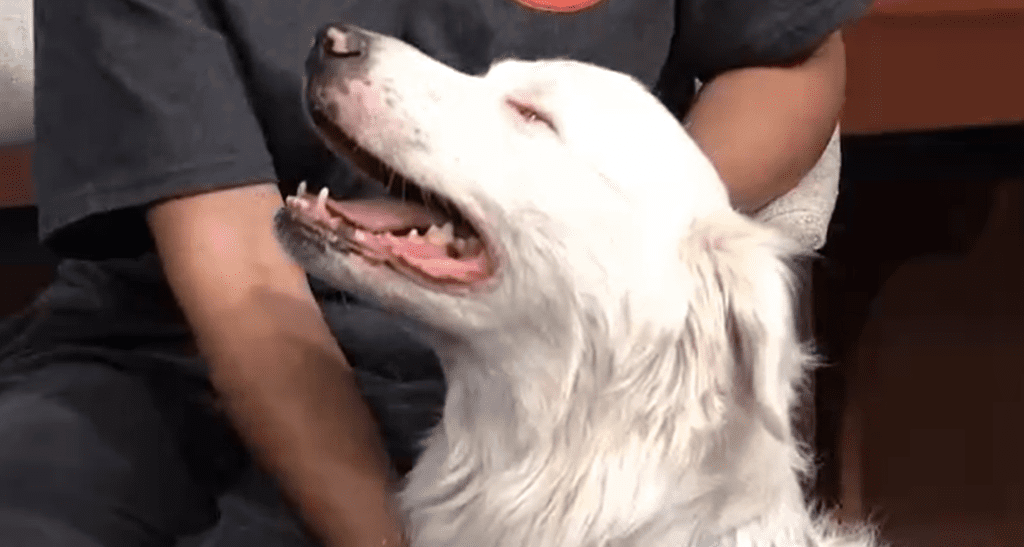
This week’s roster of adoptable animals – Keller, Woody, — and Tika – becomes more than just a plea for a forever home. Keller, the blind and deaf dog, represents a sector of the animal population requiring specialized care, resources many cash-strapped rescues and individuals can barely provide. Woody, the affectionate Labrador mix, reminds us that even robust, seemingly ‘easy’ pets aren’t immune to displacement when families unravel. And Tika, the shy Kelpie mix who just needs a little time to bloom, symbolizes the often-overlooked casualties of a system designed more for immediate crisis than sustainable support. They’re all symptoms of a larger societal malady.
“We’re seeing an unprecedented demand for these kinds of services,” noted City Councilor Elaine Gutierrez, her voice tinged with a weariness that suggested long nights poring over spreadsheets. “Budgets are tight, and frankly, animal services are often the first on the chopping block when tough decisions have to be made. But we can’t afford to ignore this; it’s a critical component of public health and community stability, whether folks realize it or not.” She makes a valid point, of course. Untreated pets can lead to public health issues; surrenders strain shelter resources — and increase euthanasia rates. It’s a daisy chain of distress.
And it’s a problem that isn’t unique to the high desert of New Mexico. In sprawling urban centers across the Muslim world—from Karachi’s teeming streets to the congested lanes of Cairo—non-governmental organizations and individual citizens often shoulder the burden of animal welfare, absent robust government funding or infrastructure. The challenges might manifest differently, shaped by cultural attitudes towards animals and varying economic development, but the core issue of stretched resources confronting overwhelming need remains eerily consistent. Pakistan, for instance, faces immense pressure on its nascent animal welfare systems, battling rabies outbreaks and burgeoning stray populations—problems often exacerbated by poverty and a lack of organized civic action. But some are trying, like the Edhi Foundation’s limited animal shelters, which are battling odds much steeper than their counterparts here.
Dr. Zayd Ansari, director of Albuquerque’s Eastside Animal Shelter, has observed these dynamics firsthand. “The animals arriving at our doors—they’re not just strays,” he explained, gesturing toward a row of cages. “They’re frequently relinquished pets, victims of foreclosures, medical bills, or simply families unable to put food on the table for themselves, let alone a furry mouth. A 2021 ASPCA study found that 76% of pet owners who surrendered their animals reported financial distress as a major contributing factor. That’s not just a statistic; that’s someone’s heartbreaking choice.” His voice lowered, as if in reverence to the untold stories of hardship. We ought to pay attention.
📄 POLICY WIRE WHITEPAPER PUBLISHED: PAKISTAN'S NATIONAL SECURITY POLICY PRIORITIES
👉 READ BY CLICKING HEREThis upcoming clinic, slated for May 13th, will provide vaccinations, deworming, flea and tick medication, and basic health treatments. It’s a commendable effort. But it’s also a momentary fix, a spoonful of sugar for a systemic ailment. The details are straightforward: 500 Wisconsin St. NE, Albuquerque; 10 a.m. to 12:30 p.m. Easy to find. The harder part, the really complex part, is addressing the underlying economic fragility that necessitates such stopgaps in the first place.
What This Means
The burgeoning need for services like Albuquerque’s free pet wellness clinic isn’t merely an animal welfare concern; it’s a flashing red light on the dashboard of local economic health. Politically, such initiatives—while presented as compassionate outreach—function as a quiet admission by municipal leaders that existing social safety nets, or even average household incomes, aren’t keeping pace with the cost of living. Providing preventative veterinary care is ultimately cheaper than managing an explosion of unvaccinated stray animals or coping with public outrage over high euthanasia rates. This signals a delicate balance elected officials must strike: addressing immediate, visible problems (like animal neglect) to avoid larger, more expensive crises, all while skirting direct acknowledgement of the economic distress causing them.
Economically, these free clinics represent an underappreciated form of community wealth preservation. Pets aren’t just companions; for many, they’re emotional support, a link to stability, or even a reason to endure hardship. Losing a pet due to preventable illness or being forced to surrender one due to financial constraints creates ripple effects, impacting mental health, productivity, and social cohesion. It’s a micro-economic indicator of the strain on household budgets. the increasing reliance on volunteerism and temporary funding for such basic services raises questions about long-term sustainability and the privatization of social safety functions traditionally overseen by government. And it reflects a quiet burden shifting from public coffers to private non-profits—or worse, simply not being met at all. See how complex it all becomes, even for a simple trip to the vet?