


Albuquerque’s Youth Arts Program Dangles on Fiscal Cliff as Council Balks on Budget Vote
POLICY WIRE — Albuquerque, New Mexico — It isn’t just paint, canvas, or clumsy ceramics on the chopping block in New Mexico’s largest city. No, what’s really teetering precariously...

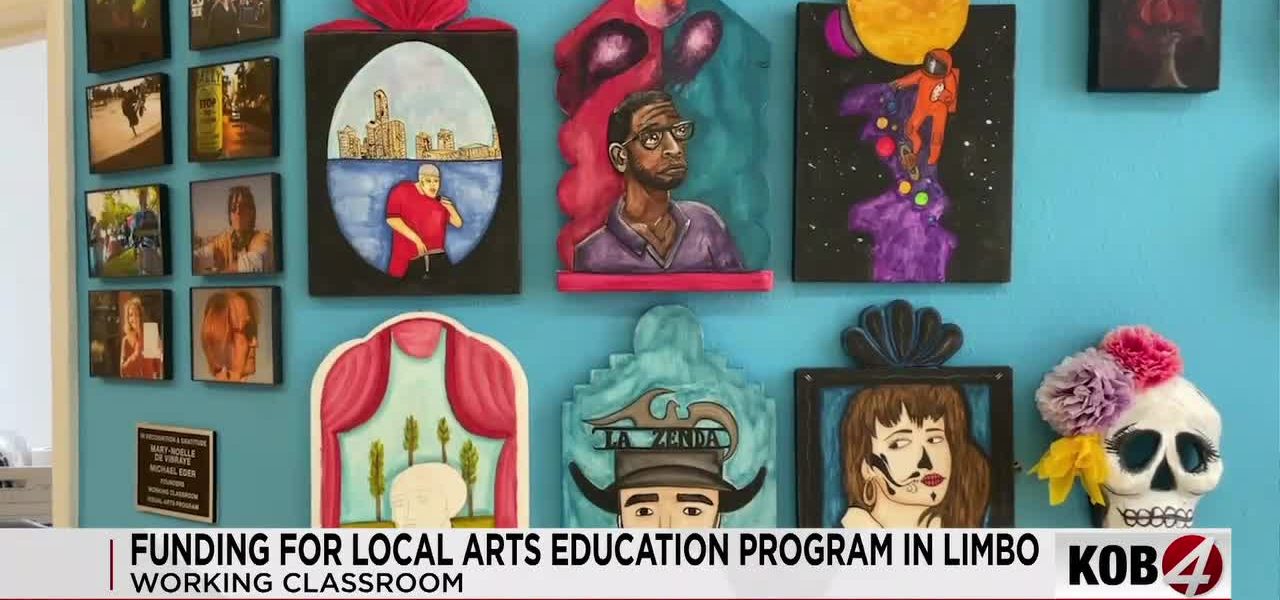
POLICY WIRE — Albuquerque, New Mexico — It isn’t just paint, canvas, or clumsy ceramics on the chopping block in New Mexico’s largest city. No, what’s really teetering precariously on the bureaucratic edge of Albuquerque’s stalled city budget is something far less tangible: opportunity. The kind that pulls young people from the gnawing grip of street life, hands them a brush or a keyboard, and dares them to imagine a future. But city councilors? Well, they’ve kicked that can, alongside a pile of other fiscal decisions, further down the road, leaving vital youth programs, like the tenacious Working Classroom, hanging by a thread.
It was supposed to be a straightforward vote, the annual allocation of public funds — a staple of urban governance. Instead, Albuquerque’s City Council sidestepped a final decision on Tuesday night. Again. This perpetual dance of fiscal indecision casts a long, unsettling shadow over organizations like Working Classroom. They’ve been nurturing creative spirits in the 12 to 21 age range for years. Executive Director Madalena Salazar, a woman whose every syllable drips with conviction, doesn’t mince words. “We cater to young people,” she told Policy Wire, her voice tight with concern, “to help them realize their creative vision through different types of projects.” But that’s only half the story.
Because Working Classroom isn’t some polite, detached art studio. It’s a frontline operation, grappling head-on with issues that scar communities. Think gun violence. Think substance abuse. “Those young people are not only building up their creative skills,” Salazar emphasized, “but they’ve been engaging with issues that impact them in their daily lives, things like substance abuse, gun violence.” They offer mural workshops, sure, but also computer literacy and, perhaps most crucially, a sense of belonging in a city that often feels like it’s forgetting its most vulnerable. But a city council unable to agree on numbers has a way of making people feel forgotten, doesn’t it?
Last fiscal year, the organization received a modest $35,000 from the city, a sum directly attributable to Albuquerque’s municipal budget allocations. This year, Mayor Tim Keller initially proposed slashing it entirely. Public outcry, a flurry of phone calls, and maybe a little common sense, nudged councilors to restore the funds in an amended proposal. Still, that’s just a proposal, a line item scribbled in pencil. They’re not exactly throwing confetti yet over at Working Classroom. “I don’t feel confident,” Salazar admitted, a flicker of genuine anxiety in her tone. “I’m hopeful, though. I hope that he’s cognizant of the arguments a lot of folks around the city are making—that investment in those public services is what makes this a wonderful city to live in and grow in.” And that’s the rub, isn’t it? What makes a city ‘wonderful’ for everyone?
For students like Genesis Mullins, Working Classroom isn’t an extracurricular activity; it’s a lifeline. “It’s the first time I could be creative without being told like a genre or a theme, and just go off on my own creativity,” she confided. Her testimony—clear-eyed, earnest—speaks volumes about the quiet desperation such programs alleviate. And it’s more than just artistic license. “A lot of the young people that come in might be struggling with something,” Mullins elaborated. “Having resources like art, counseling, or food assistance really takes off a mental load.” What’s a few thousand dollars compared to unburdening a child’s mind? Apparently, that’s a debate the council’s still having.
📄 POLICY WIRE WHITEPAPER PUBLISHED: PAKISTAN'S NATIONAL SECURITY POLICY PRIORITIES
👉 READ BY CLICKING HEREThe city’s dilly-dallying reflects a common political paradox: short-term fiscal anxieties often trump long-term societal investments. We’ve seen similar patterns play out in countries like Pakistan, where youth engagement programs, designed to counter radicalization or simply offer pathways out of poverty, consistently struggle for consistent funding despite their recognized national security and social benefits. Budgets, it seems, often mirror collective priorities, — and right now, Albuquerque’s priority list looks… fragmented. Summer programming approaches fast, which adds a fresh layer of dread for these kids. “Continue investing,” Mullins urged, her plea directed straight at city hall’s stone facade. “Because Working Classroom has been an instrumental part of Albuquerque in terms of arts and culture—but also because it’s something that holds Albuquerque together.” And when it breaks, well, that’s everyone’s problem.
What This Means
The protracted budget skirmish in Albuquerque signals more than just local government gridlock; it illuminates a deeper, recurring flaw in civic administration. This isn’t just about an arts program; it’s a proxy battle for the soul of urban investment. By perpetually delaying, the council effectively punts responsibility, creating policy instability that ripples directly into the lives of vulnerable populations. Economically, this dithering stunts growth in sectors beyond traditional infrastructure, undermining the ‘soft power’ of community building that often prevents costlier social ills down the line. Politically, it erodes trust, portraying elected officials as paralyzed by minutiae rather than strategic vision. Because, let’s be honest, who looks good when they can’t even approve a budget?
But the ramifications stretch further. When local governments can’t secure predictable funding for essential services like youth mentorship—programs that measurably reduce crime and improve educational outcomes—it sends a bleak message. It suggests that immediate balance sheets are deemed more important than human capital, that prevention is secondary to remediation. One could argue, without much strain, that such budget battles are a microcosm of broader municipal incompetencies, indicating a lack of clear strategic direction for the city’s future. It’s a frustrating cycle that leaves community leaders scrambling, donors wary, and—most tragically—kids questioning where they fit in the grand scheme of things. And frankly, that’s not just an Albuquerque problem; it’s a failure we’ve witnessed from Seattle to Sargodha.