


The Perilous Commodity: When Talent Fades Under Philadelphia’s Glare
POLICY WIRE — Washington, D.C. — Professional sports, at its heart, is a brutal market. Players aren’t just athletes; they’re volatile assets, their value tethered to a tightrope walk of...

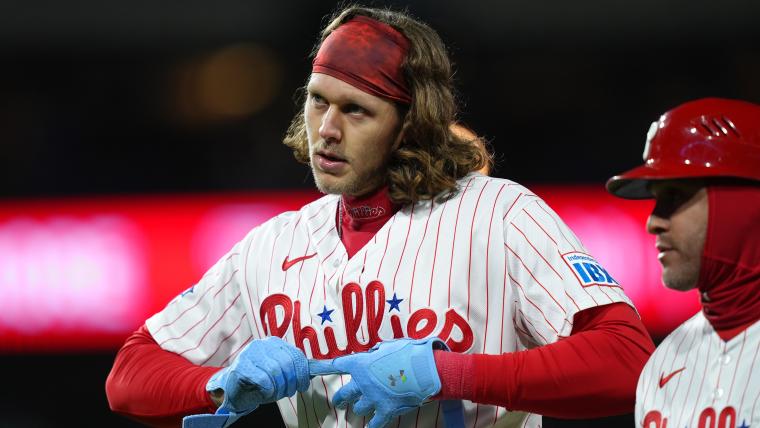
POLICY WIRE — Washington, D.C. — Professional sports, at its heart, is a brutal market. Players aren’t just athletes; they’re volatile assets, their value tethered to a tightrope walk of performance and perception. One day, you’re the phenom, the future. The next? You’re a liability, an asterisk, fodder for the trade machine. It’s a truth as old as the games themselves, but it hits differently when a promising career seems to sputter under the unforgiving gaze of a demanding city. And right now, in the unforgiving sports ecosystem, that glare is squarely on Philadelphia’s Alec Bohm.
It’s not exactly shocking, is it? Whispers turn to murmurs, then to outright declarations, often about an athlete struggling to replicate past glories. Bohm’s trajectory with the Phillies reads less like a meteoric rise and more like a stalled elevator, hovering precariously between floors. He once showcased glimpses of real power, some raw talent that hinted at an All-Star future. But seasons pass quickly in baseball. For Bohm, it feels like that potential has been—well, mostly potential. You know how it goes; high expectations can break even the toughest competitor. It’s a recurring theme in every league, every major market.
His recent offensive output, to put it mildly, hasn’t inspired confidence. He’s managing a meager .184 average, punctuated by just three home runs across 136 at-bats this season—and two of those, you’ll remember, came in a single outlier game against the Colorado Rockies. That kind of inconsistency? It doesn’t scream ‘long-term anchor.’ It shouts ‘change of scenery.’ The front office, they’ve got to be looking at the numbers, measuring impact versus cost, and Bohm’s balance sheet just isn’t stacking up favorably.
“We’re in the business of winning, always have been,” declared Dave Dombrowski, the Phillies’ President of Baseball Operations, with a practiced stoicism during a recent, brief exchange. “Every roster spot is evaluated against that primary objective. If a move strengthens us for October, we have to consider it. It’s a business, after all, not a charity.” His words, measured as they were, speak volumes about the pragmatic realities lurking beneath the cheering crowds.
Because that’s the deal here. The Phillies aren’t just sitting back, content with mid-table mediocrity. This isn’t some low-stakes club; this is a franchise with championship aspirations, and those aspirations come with hefty payrolls and even heftier fan demands. When a piece isn’t fitting, you cut it, you reshuffle, you look for a better fit. That’s the cold hard economic fact of professional sports. And it affects everything—from merchandise sales to the intangible goodwill that fuels a city’s economy.
The league, overall, has seen a tightening of team financial strategies. According to an internal MLB valuation assessment, player market value can plummet by as much as 40% in a single calendar year due to declining performance metrics and injury concerns. (Source: League Financial Analysis Division, internal report Q2 2024). It’s a stark reminder that an athlete’s worth isn’t static, it’s dynamic, — and aggressively so. And it applies to anyone, from seasoned veterans to young prospects who just can’t seem to put it all together. What might seem like a player-friendly league is anything but when you scratch beneath the surface of blockbuster contracts.
“Look, sometimes a fresh start is all it takes,” offered a seasoned scout, who wished to remain anonymous, watching from the periphery. “The mental pressure in a city like Philly? It’s not for everyone. You go somewhere quieter, less scrutiny, — and sometimes guys just relax, find their swing again. It happens, more often than you’d think.” He’s right, of course. The psychological burden can be immense.
📄 POLICY WIRE WHITEPAPER PUBLISHED: PAKISTAN'S NATIONAL SECURITY POLICY PRIORITIES
👉 READ BY CLICKING HEREThe murmurs from the club’s beat writers now openly suggest Bohm as a prime candidate for a “change of scenery.” If the Phillies decide to sell some assets, he’s probably at the top of that list. But if they’re buying, as Dombrowski’s history suggests they very well might, they’ll be seeking impact bats. Who they target remains anyone’s guess, but you can bet it won’t be cheap. They aren’t afraid to splash the cash for talent that *can* deliver.
What This Means
The potential trade of Alec Bohm isn’t merely a roster tweak; it’s a window into the unrelenting economic calculus driving modern professional sports franchises. For the Phillies, shedding a underperforming asset allows them to free up salary space, potentially acquire prospects, or use Bohm as a trade chip for a more immediate impact player. This move, should it materialize, directly affects the team’s balance sheet and its ability to compete for high-priced free agents or make aggressive mid-season deals—critical decisions that ripple through the local economy in Philadelphia, influencing everything from stadium attendance and concession sales to merchandise revenue. A winning team attracts more discretionary spending, plain and simple, meaning a better economic outlook for the club and its urban surroundings.
This relentless pursuit of competitive advantage also speaks to broader trends in how value is assessed in high-stakes fields. Just as political careers rise — and fall based on public perception and tangible results, so too do athletic careers. Consider the massive investment in sports infrastructure, even in developing nations; stadiums sprout up, broadcasting deals soar. This demand for top-tier entertainment and globalized sports branding—often funded by capital originating from regions like the Middle East or South Asia, keen on diversifying portfolios beyond traditional sectors—magnifies the pressures on individual athletes. The economic incentives are global, yes, but the spotlight is hyper-local — and absolutely brutal. India, for example, is keenly aware of external economic pressures, and its business leaders follow global market trends, including those of high-value assets like elite athletes. So, the player market becomes less about just the game and more about capital flow. But this isn’t just about money. It’s also about narrative control. Because a struggling player in a major market quickly becomes a storyline that shapes fan engagement, ticket sales, and ultimately, the political capital of the franchise leadership.
Even at 29, with his age still suggesting some room for growth, Bohm might simply be an ill-fitting piece in a very specific, high-pressure puzzle. Teams, it’s safe to say, will take a flyer on a player with his underlying talent. But for the Phillies, it seems, the patience—and perhaps the perceived economic upside—has worn thin. They want impact. And sometimes, you’ve just got to cut your losses — and find that impact somewhere else. You’ve got to make those tough calls.