
Stadium Speculation and Civic Grandeur: The Politics of Sunderland’s New Era
POLICY WIRE — London, UK — One might imagine the grand pronouncements of policy experts or the measured tones of diplomats filling the airwaves, but sometimes the most telling shifts in public...

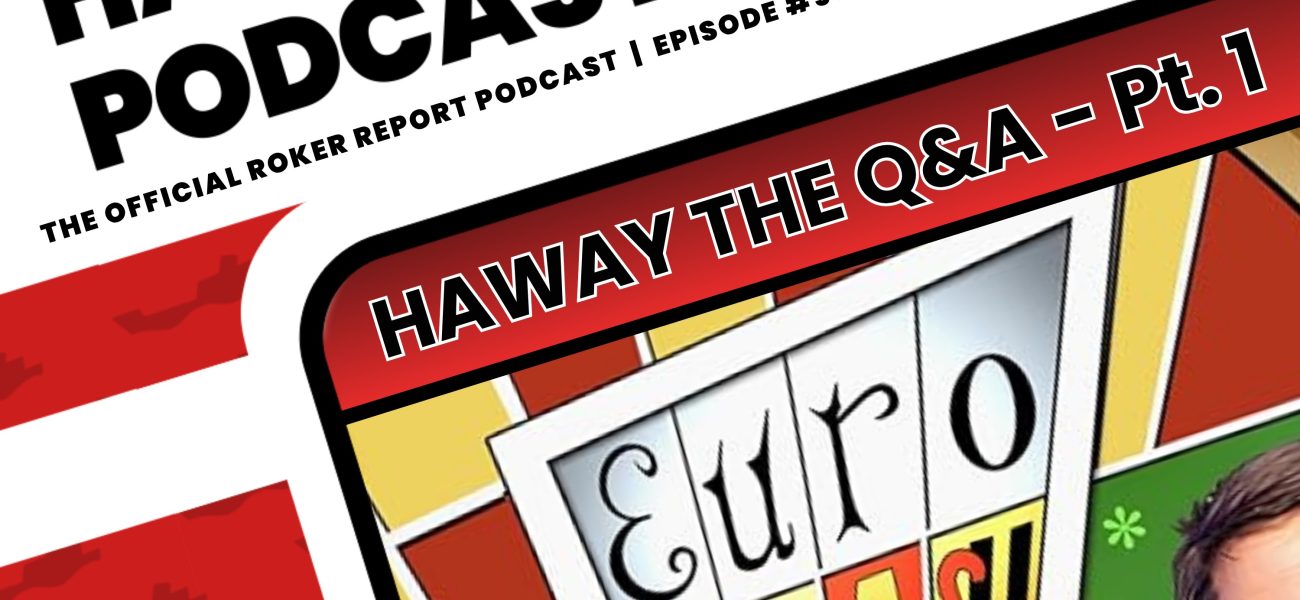
POLICY WIRE — London, UK — One might imagine the grand pronouncements of policy experts or the measured tones of diplomats filling the airwaves, but sometimes the most telling shifts in public sentiment, or economic currents, arise from the most ordinary places. This week, an unassuming podcast, Haway The Podcast, provided a peculiar lens into the intricate dance of civic pride, speculative urban development, and the commodification of local identity. It was, apparently, the final away game of the season, and Sunderland travel to Everton’s brand-spanking new
stadium—a phrase that whispers more of architectural ambition and municipal budgets than mere athletic contests.
The hosts—Chris, Martin, and Andrew, names that could belong to a cabinet subcommittee or a panel on post-industrial revitalization—were grappling not with inflation rates or geopolitical maneuvering, but with questions like When will we have a statue for Regis?!
Such demands aren’t trivial; they’re deeply embedded in how communities remember, celebrate, and, importantly, project their future. Think of the intense political debates surrounding public monuments in places like Pakistan, where statues of historical figures, poets, or even military leaders ignite ferocious public discourse over national narratives and competing legacies. These aren’t just hunks of bronze; they’re battlegrounds for memory, identity, — and the very soul of a place.
The conversation itself, a Euro-inspired Q&A,
hints at larger European football structures and their substantial economic influence, an influence that dwarfs many national GDPs. And it’s not just about ticket sales, it’s about tourism, retail, media rights. But beyond the immediate economic stimulus, what does a new stadium, or the veneration of a footballer like Regis, signify? It’s about investment. It’s about aspiration. It’s about a working-class city—historically Sunderland’s a powerhouse in shipbuilding and coal—trying to define itself in a post-industrial age, desperately seeking new symbols of pride and belonging.
They posed a rather bold query, for instance: Is this the best 12 months in our history?!
A question that, stripped of its footballing context, sounds like something a town council might ask itself before a bond rating agency, or an economic development summit. One has to wonder what criteria define [QUOTE_PLACEHOLDER] Trophies, certainly. But also employment figures, infrastructure upgrades, or perhaps even declining crime rates. That connection isn’t usually explicit in fan discourse, yet the underlying current of economic optimism, or at least hopeful questioning, is undeniable. For many such cities, a successful football club is an often-overlooked—but consistently significant—anchor for civic morale and, quite tangibly, a significant employer and tax contributor. Consider how much revenue a new stadium generates, not just from matches but from concerts and other events; Wembley Stadium alone contributed an estimated £540 million to the UK economy in 2017, according to a report by WPI Economics.
But there’s a wry detachment in the podcast’s casual tone, as if acknowledging the profoundness of the questions without quite saying it. Good to see former players getting involved…
they remarked, touching on community engagement. This isn’t just sports talk; it’s a commentary on social capital, on the informal networks that glue communities together, especially in areas battling economic headwinds. When local heroes remain engaged, it provides a crucial, non-governmental layer of stability — and hope. They provide a recognizable face, a link to a shared, idealized past that helps navigate a often-unsettling present.
And let’s not forget the sheer media proliferation. Get subscribed to Haway The Podcast so you never miss another episode of our free daily show,
they urge, along with directing listeners to RokerReport.SBNation.com
for daily SAFC fan-written content.
It’s an ecosystem, a self-sustaining media apparatus built entirely around local interest. It’s proof that in an age of globalized information, intensely localized content—even about something as seemingly niche as Sunderland AFC—can thrive, becoming a potent vehicle for community identity. This, after all, isn’t unlike the myriad hyperlocal news outlets and citizen journalism initiatives cropping up across South Asia, fulfilling a need for connection and collective self-definition that often goes unmet by larger, national media enterprises. We’re all trying to make sense of our surroundings, to find our tribes—sometimes that tribe is a football team.
📄 POLICY WIRE WHITEPAPER PUBLISHED: PAKISTAN'S NATIONAL SECURITY POLICY PRIORITIES
👉 READ BY CLICKING HEREWhat This Means
This rather innocuous snippet of sports commentary, on closer inspection, functions as a surprisingly keen barometer of economic and social policy impacts. The push for a brand-spanking new
stadium at Everton (and by extension, the aspirations for Sunderland) reflects a larger trend of infrastructure investment—public or private—designed to rejuvenate urban centers. It’s a gamble, often costly, on attracting outside capital and generating local employment, typically framed as part of a wider regeneration strategy for what were once industrial heartlands. We’re talking about direct and indirect economic impacts that policymakers weigh heavily, even if the general public fixates on the spectacle.
The call for a statue for Regis?!
(whether Régis as per the tweet, or Regis from the body of the article) is another political touchpoint. Public art and commemorative statues are rarely neutral; they’re statements about shared values, historical interpretation, and communal pride. It’s an expression of an ongoing negotiation about whose stories matter enough to be etched in permanence, whose achievements warrant public recognition. It signals a desire to connect past glory—whether athletic or otherwise—with present identity. And this connection is what policy makers seek to foster to build cohesion, to establish local ‘brands’, and to create environments where residents feel rooted. This isn’t just about football, it’s about belonging, and it’s something governments, both local and national, are acutely aware of when considering funding for sports, culture, or urban development. Think of how similar civic projects ignite passionate debates and define political careers across regions, from Karachi to Kuala Lumpur.
But. All this investment — and aspiration isn’t without its risks. The brand-spanking new
carries a hefty price tag, and not all regeneration projects deliver on their promised economic miracles. Sometimes, they can even exacerbate existing social divides. Policymakers, especially those in Brussels’ bureaucratic halls or Islamabad’s planning departments, know that while symbolic gestures like statues create buzz, true economic development relies on far more complex, often less glamorous, interventions—things like skills training, robust public services, and diversified industrial bases. That podcast, in its folksy way, is really just reflecting the larger national—and often international—conversations we’re having about where our money goes, who gets celebrated, and what future we’re actually building, stadium by stadium, statue by statue. Check out how similar dynamics play out in other urban environments.