


Munich’s Phantom Victory: A Bundesliga Win Rings Hollow After Europe’s Hard Verdict
POLICY WIRE — Wolfsburg, Germany — The air hung heavy over the Volkswagen Arena, not with the usual celebratory fervor of a Bayern Munich victory, but with the cold, lingering residue of European...

POLICY WIRE — Wolfsburg, Germany — The air hung heavy over the Volkswagen Arena, not with the usual celebratory fervor of a Bayern Munich victory, but with the cold, lingering residue of European disappointment. What should’ve been a routine three points against a lower-table VfL Wolfsburg on Saturday, May 9, 2026, felt more like a dutiful formality. A shrug of a win, really, after the thunderous knockout from the Champions League had already, quite publicly, torn the heart right out of Bavaria’s proudest club. This wasn’t a game for glory; it was a post-mortem, disguised as football.
Because, let’s be straight, Bayern had just been unceremoniously dumped from Europe’s premier club competition, denied a seventh star by Paris Saint-Germain. Six years — and counting since their last Champions League crown. And the taste of that elimination lingered, sharp and metallic, in every languid pass and every missed opportunity against Wolfsburg. Michael Olise, bless his young heart, managed to curl one in at the 56th minute. A lone, clinical strike that bounced off the bar with a certain understated grace. But even that scarcely cut through the malaise.
And what a peculiar malaise it’s. This is FC Bayern, for crying out loud. The behemoth. The seemingly infallible Juggernaut of German football. Yet, the match narrative read less like dominance — and more like a club simply existing. Jonas Urbig, Wolfsburg’s keeper, looked like the busier man for spells, collecting headers, parrying shots. Bayern’s collective effort felt, well, scattershot. As one long-time Bundesliga observer quipped, “They didn’t win that match; Wolfsburg simply ran out of ideas faster.” There’s some brutal truth in that, isn’t there?
But the ramifications, oh, they stretch so much farther than a 1-0 scoreline suggests. You see, the optics of this Bavarian ‘struggle’ — even a winning one — aren’t just local German news. German football, with Bayern as its loudest, most recognizable face, represents something more significant on the global stage. It’s a brand, an export, a soft power instrument in regions far removed from Munich’s beer gardens. From Casablanca to Karachi, millions tune in. When that brand flickers, people notice.
“We’ve gotta face facts,” remarked Dr. Volker Schneider, a board member of Germany’s Football League (DFL), during an earlier press brief. “The global football market is more competitive than ever, on — and off the pitch. Maintaining our position isn’t just about player contracts; it’s about perceived excellence. It’s about demonstrating leadership. We can’t afford even a hint of complacency, not when other leagues are biting at our heels for those lucrative international markets.” And he isn’t wrong. Bundesliga’s overall brand depends on its top teams performing, not just at home, but gloriously in Europe. German football, as an industry, generated a hefty €4.48 billion in revenue during the 2022/23 season, according to the DFL’s latest report. But that financial engine hums brightest when the perceived quality remains at the zenith.
It’s a strange beast, this international football economy. Take the Muslim world, for instance. Places like Pakistan. European football — the English Premier League, La Liga, and yes, the Bundesliga — enjoys massive, sometimes fanatical, followings. A Bayern defeat in Europe is felt not just in Germany, but in thousands of homes watching across multiple time zones. Children wearing Bayern jerseys play in dusty streets of Lahore. Clubs understand this; it’s why they invest in global marketing — and tours. It’s why Bayern’s commercial interests stretch so wide. And this domestic win against Wolfsburg? It probably registered as a mere footnote in those distant lands, certainly less than the crushing Champions League exit.
📄 POLICY WIRE WHITEPAPER PUBLISHED: PAKISTAN'S NATIONAL SECURITY POLICY PRIORITIES
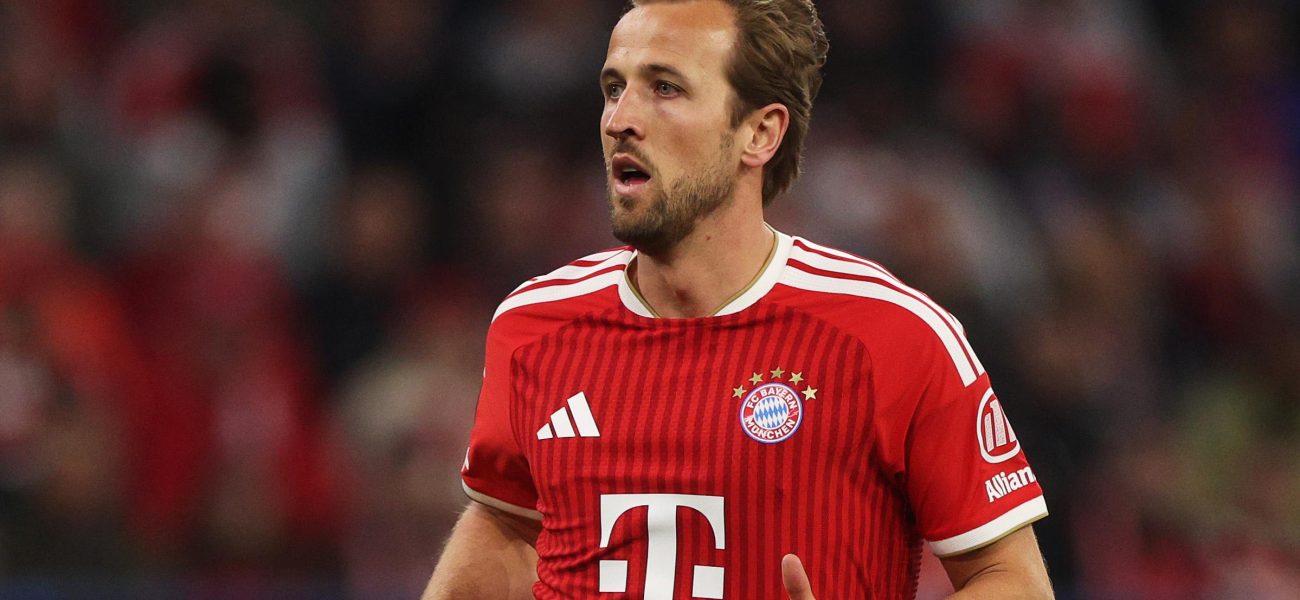
👉 READ BY CLICKING HEREAnd here’s where the dry, sharp reality hits you. This isn’t just about Harry Kane having a bad day, or the coach, Thomas Tuchel, looking particularly stressed. No, this points to bigger questions. Questions of long-term strategy, of youth development versus expensive quick fixes, of corporate identity in an increasingly volatile sporting landscape. A single goal, a singular moment of skill from Olise, it doesn’t mask the broader struggle for relevance. But it postpones the harder conversations, maybe, just for a bit.
Because frankly, as a senior club official, requesting anonymity due to the delicate post-European climate, confided, “We’re patching holes, not building new ships right now. This Wolfsburg match? It wasn’t about proving anything; it was about stopping the bleed. But the patients still aren’t exactly hale and hearty.” It’s the kind of blunt honesty you don’t get often, and it speaks volumes.
What This Means
This match, a minimal triumph, effectively spotlights Bayern Munich’s current corporate identity crisis. From a political economy perspective, their performance issues, especially the Champions League exit, aren’t just sporting hiccups. They chip away at the Bundesliga’s overall value proposition on the international market. Less continental prestige means potentially less lucrative broadcast deals down the line, affecting not just Bayern but the entire German football ecosystem. It also casts a long shadow on Germany’s sporting ‘soft power,’ that intangible influence wielded through global cultural exports like top-tier football. A weakened Bayern indirectly weakens the German footprint in territories where football is gospel. the club’s reliance on high-cost, star-power imports (like Harry Kane, despite his many goals) over fostering academy talent signals a broader economic philosophy. It’s a high-stakes gamble driven by immediate returns, rather than sustainable, long-term organic growth. The financial model, while undeniably successful historically, feels fragile now. It suggests an urgent need for recalibration, to ensure continued dominance—or at least respectability—in an increasingly cutthroat global sporting arena where the stakes are forever shifting.