

The Last Dance: Albuquerque Bids Farewell to Gathering of Nations, A Cultural Colossus
POLICY WIRE — ALBUQUERQUE, N.M. — For decades, it wasn’t merely an event; it was a pulsating heart, a vibrant tapestry woven from over 750 tribal nations, converging on the arid New Mexico landscape....

POLICY WIRE — ALBUQUERQUE, N.M. — For decades, it wasn’t merely an event; it was a pulsating heart, a vibrant tapestry woven from over 750 tribal nations, converging on the arid New Mexico landscape. The Gathering of Nations, dubbed the world’s largest celebration of Native culture, has concluded its final annual powwow here, leaving behind an echoing void and profound introspection among its more than 100,000 participants and myriad observers. It wasn’t the spectacle itself that was surprising—it was the stark, unyielding announcement that this magnificent convergence would cease to be an annual fixture. So, the question isn’t just what happened, but what now?
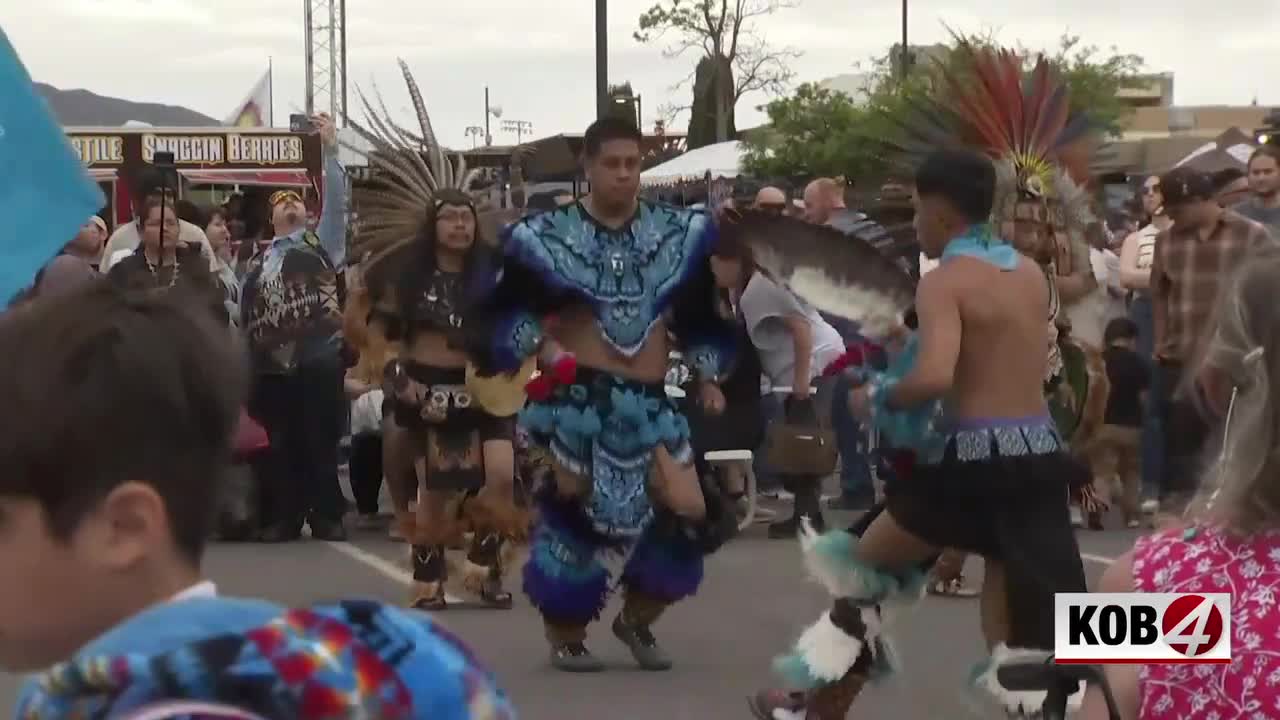
At its core, the Gathering wasn’t just about dance, song, — and regalia. It was a potent affirmation of identity, a kinetic display of resilience, and an unparalleled market for indigenous artisans and entrepreneurs. Think of it: an entire city, for one precious weekend, transformed into a microcosm of pan-Native American pride, commerce, and shared heritage. The energy was palpable, the drumming a continuous heartbeat across the Albuquerque Convention Center, drawing global attention to cultural traditions that have, for too long, battled erasure.
But even cultural monoliths aren’t immune to the relentless march of logistics — and economics. Months prior, organizers had issued the somber decree: 2024 would mark the curtain call for the annual format. “Maintaining an event of this magnitude – with its intricate logistics, burgeoning costs, and the sheer human capital required – has become an Everest of its own,” reflected Dr. Leanne Yazzie, a prominent Diné (Navajo) elder and co-chair of the Indigenous Cultural Preservation Committee, her voice tinged with a quiet resignation during a Policy Wire interview. It’s a stark reminder that even the most cherished cultural institutions operate within very real, often unforgiving, budgetary constraints.
And so, attendees—Indigenous people from literally all around the globe—arrived with mixed emotions: joy for the present, sorrow for the future. “I do think it’s a bummer that it’s the last gather,” one participant told local affiliate KOB 4, encapsulating a widespread sentiment. “I think there should be more opportunities for things like this for Native people, you know, just keep the tradition going and keep having powwows.” Another shot back, “Seeing Natives from like all around the world coming here to celebrate, to all come together as one. It’s pretty nice.” There’s a certain casualness to the language, but the underlying weight is unmistakable. This wasn’t just a party; it was a vital lifeline.
Still, the end of an era often heralds the birth of new approaches. “But the spirit, that never truly ends,” asserted Chairman Raymond Begay of the Navajo Nation, speaking forcefully to Policy Wire, his gaze firm. “These gatherings etched indelible marks on our youth; they’ve sown seeds of pride that will blossom regardless of venue. We must, and we will, find new conduits for that power.” His words underscore a resilience that’s not just admirable, but historically necessary for indigenous communities.
The cessation of such a massive cultural gathering also reverberates far beyond North America. Many indigenous and ethnic minority communities globally, from the remote valleys of the Himalayas to the tribal lands of Pakistan and Bangladesh, grapple with similar challenges: how to preserve unique cultural identities, languages, and ceremonial practices against the relentless pressures of globalization, urbanization, and often, systemic neglect. These are universal struggles for cultural sovereignty. According to the U.S. Census Bureau, the Native American and Alaska Native population alone or in combination with other races was 9.7 million in 2022, representing 2.9% of the total U.S. population – a demographic often overlooked in mainstream economic and cultural narratives, making events like Gathering of Nations disproportionately significant for visibility and self-determination.
What This Means
The immediate political — and economic implications are multi-faceted. For Albuquerque, the economic hit won’t be negligible; a gathering of 100,000-plus attendees generates tens of millions in local revenue, from hotels and restaurants to transportation and ancillary services. That economic engine, which pulsed annually, will now stall, or at best, become an infrequent rumble. Politically, it spotlights the ongoing struggles of indigenous organizations to secure stable, long-term funding and infrastructure for cultural preservation. It’s not just about celebrating; it’s about sustaining. The quiet disappearance of such an event without immediate, high-profile government intervention or corporate sponsorship speaks volumes about the priorities often assigned to indigenous affairs.
From a cultural standpoint, the void will be profound. The Gathering wasn’t merely a powwow; it was a critical convergence point for knowledge transfer, inter-tribal networking, and the sheer joy of collective existence. Its absence will undoubtedly splinter some of these connections, forcing a re-evaluation of how best to foster pan-Native identity and cultural continuity. But don’t mistake this ending for an end to indigenous culture itself. As Chairman Begay implied, the spirit merely seeks new channels. It’s a pivot, not a permanent retreat. The challenge now lies in ensuring those new channels are robust, accessible, and as impactful as the colossal event they replace. The winds of change are certainly blowing through New Mexico, carrying with them both regret and, perhaps, the seeds of future, decentralized affirmations.