


The Ghost of Kohli’s Past: KKR’s Desperate Gamble on Batting Immortality
POLICY WIRE — Bengaluru, India — The air in the dugout isn’t just thick with humidity; it’s buzzing with a desperation palpable enough to cut with a dull knife. For the Kolkata Knight...

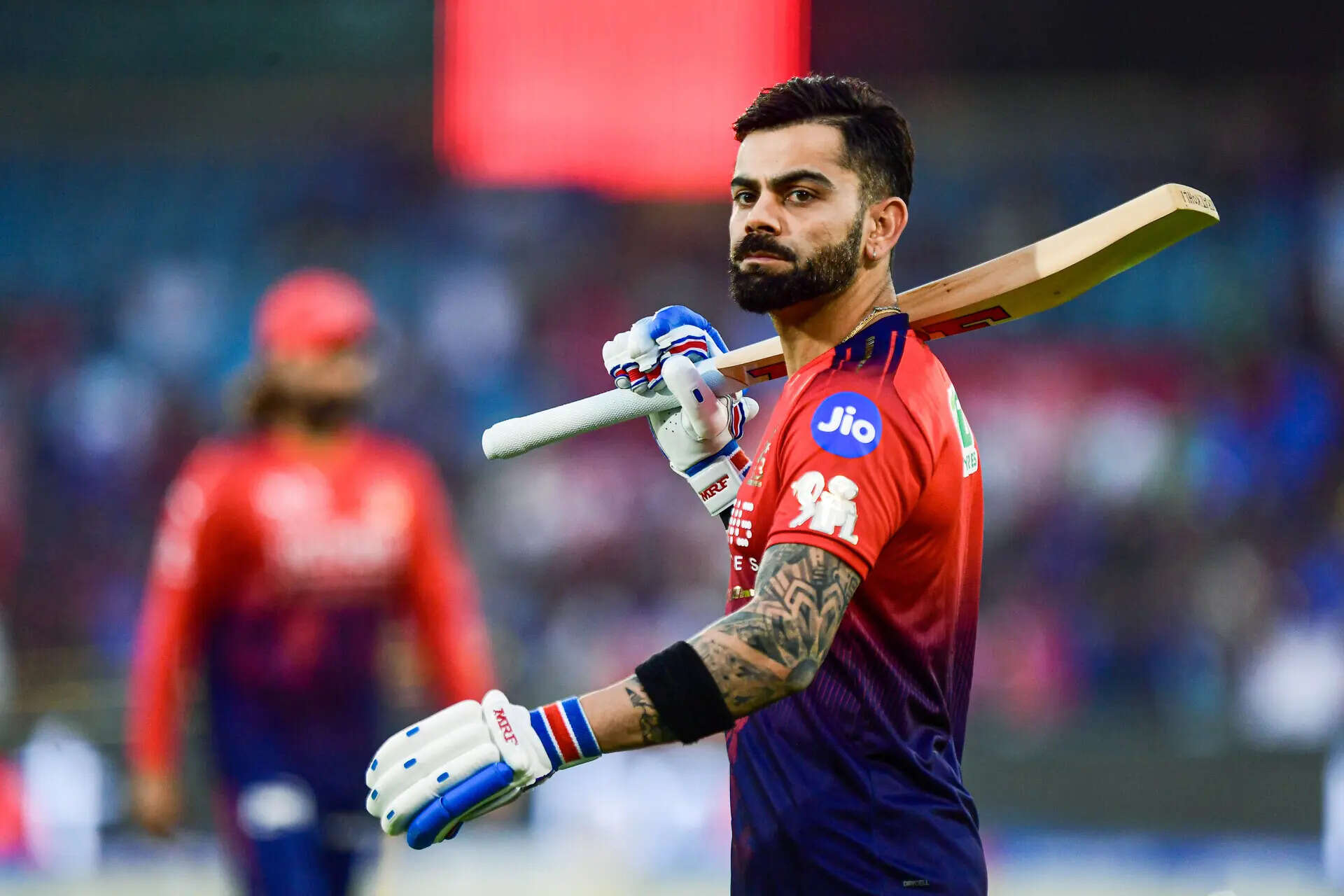
POLICY WIRE — Bengaluru, India — The air in the dugout isn’t just thick with humidity; it’s buzzing with a desperation palpable enough to cut with a dull knife. For the Kolkata Knight Riders, their path to playoff salvation hinges not just on their own beleaguered batting lineup or their surprisingly resurgent bowlers, but on something far more ethereal: the elusive prospect of an early mistake from Virat Kohli. It’s a strategy rooted in faint hope, a high-stakes gamble on the psychology of a man who rarely missteps. They’re basically praying, bless their hearts, that the universe aligns for a moment of mortal weakness from an athletic demigod.
It sounds daft, doesn’t it? Almost like hoping a seasoned financier suddenly forgets the difference between a bull — and bear market mid-deal. But the context is everything. Royal Challengers Bengaluru’s star, Kohli, arrives at this showdown not on his usual rampage, but having endured the indignity of back-to-back ducks against the Lucknow Super Giants and Mumbai Indians. For KKR, clinging to a precarious nine points from ten games in the tightly packed league, this momentary wobble is a sliver of plausible deniability. A lifeline, even if a threadbare one.
Shane Watson, the veteran assistant coach for Kolkata, doesn’t try to hide the audacious thinking. He speaks with the dry humor of someone who’s seen a lot of cricket — and knows a true phenomenon when he watches one. “Every team is always going to have plans against Virat where you perceive there’s a weakness to be,” Watson observed, leaning into the mic during a pre-match presser, “but we all know, with King Kohli, he knows exactly how to better try and navigate that as well as possible.” He’s got that right.
The Australian paused, a slight, knowing smile playing on his lips. “Yeah, we just hope that he tries to play a shot like he did in the last game, a more aggressive shot right at the start of his innings. We’ve got our fingers crossed that it might happen. Chances of that happening are remote, knowing Virat,” he admitted. It’s less a strategy — and more an extended wish, isn’t it? Because you don’t really ‘plan’ for Kohli to fail. You plan to limit the inevitable.
But Watson quickly tempered the sarcasm with a hefty dose of admiration for the sheer relentlessness that’s Kohli. “But look, he’s something else. He always has been… his insatiable appetite just to be the very, very, very best, every ball is engaged in the game that continues to burn so brightly for him.” The guy just doesn’t quit. And that’s what makes this KKR hope—this calculated gamble on a rare lapse—so utterly captivating.
Kohli’s stats this season underscore his dominance, even with the recent blips. He’s racked up 379 runs in just 11 matches, maintaining an impressive average of 42.11 and a striking rate of 163.36, according to official IPL figures. These aren’t the numbers of a player in decline; they’re the benchmarks of an athlete operating at the peak of his powers, albeit one who’s just had a couple of unfortunate days at the office. KKR’s recent revival—four consecutive wins after a disastrous zero-win opening streak—adds to the high drama, giving them something to truly fight for against this titan.
What This Means
This psychological skirmish, playing out on cricket’s biggest commercial stage, reflects more than just sporting rivalry; it hints at the enormous economic and socio-political currents flowing through South Asia. The Indian Premier League isn’t just a cricket tournament; it’s a cultural phenomenon, an economic engine, and a soft-power projection machine that has fundamentally altered the landscape of the sport across the subcontinent. Millions, sometimes billions, of dollars are at play through sponsorships, broadcasting rights, and the frenetic betting markets that quietly underpin much of the region’s sports obsession.
The IPL, in its gilded splendor, represents India’s unquestioned dominance in regional cricket, an influence felt from Sri Lanka to the farthest reaches of Afghanistan. It creates global brands, not just local heroes. It draws in eyeballs—tens of millions in countries like Bangladesh, where local interest in teams like KKR (given Bengali cultural connections) remains incredibly strong. And because of the long-standing geopolitical tensions, Pakistani players remain conspicuously absent, despite their nation’s deep-rooted cricket passion. This absence only sharpens the sense of the IPL as a distinctively Indian economic and cultural juggernaut, a symbol of economic ascendance and national pride that sometimes feels as significant as policy decisions made in New Delhi. For KKR, the stakes are tangible playoff spots — and the immense revenue that comes with deep tournament runs. But for Kohli, it’s about reputation, legacy, and continuing to fuel the fire that keeps a multi-billion dollar enterprise humming.
This match isn’t just another game. It’s a microcosmic struggle—a scrappy underdog, reborn from the ashes, challenging an undisputed king. A single audacious shot, much like Sundar’s six, could truly tilt momentum, even in this grander narrative. The emotional investment from fans—whether in the stands or glued to screens—is almost spiritual, making each boundary, each wicket, feel like a personal triumph or tragedy. This kind of sudden shift in fortunes, much like the ‘Thunder’s Shock Dominance’ in other sporting arenas, sends ripples far beyond the boundary ropes. For KKR, their only realistic ‘plan’ is hoping Kohli gifts them a miracle. It’s a low-probability play in a high-stakes arena, — and that, my friends, is why we watch.