


Sundar’s Audacious Six: A Racket That Echoes Beyond the Pitch in Regional Power Play
POLICY WIRE — New Delhi, India — Forget the scores, if you can, for a moment. Never mind the final standings. Sometimes, a single, improbable moment — a blink-and-you-miss-it defiance of physics and...

POLICY WIRE — New Delhi, India — Forget the scores, if you can, for a moment. Never mind the final standings. Sometimes, a single, improbable moment — a blink-and-you-miss-it defiance of physics and expectation — cuts through the meticulously crafted narratives of sport, laying bare something far more elemental about the shifting global order. On a recent Tuesday evening in Ahmedabad, as a near-capacity crowd thrummed with a particular kind of collective euphoria only truly understood on the subcontinent, Washington Sundar delivered precisely that moment.
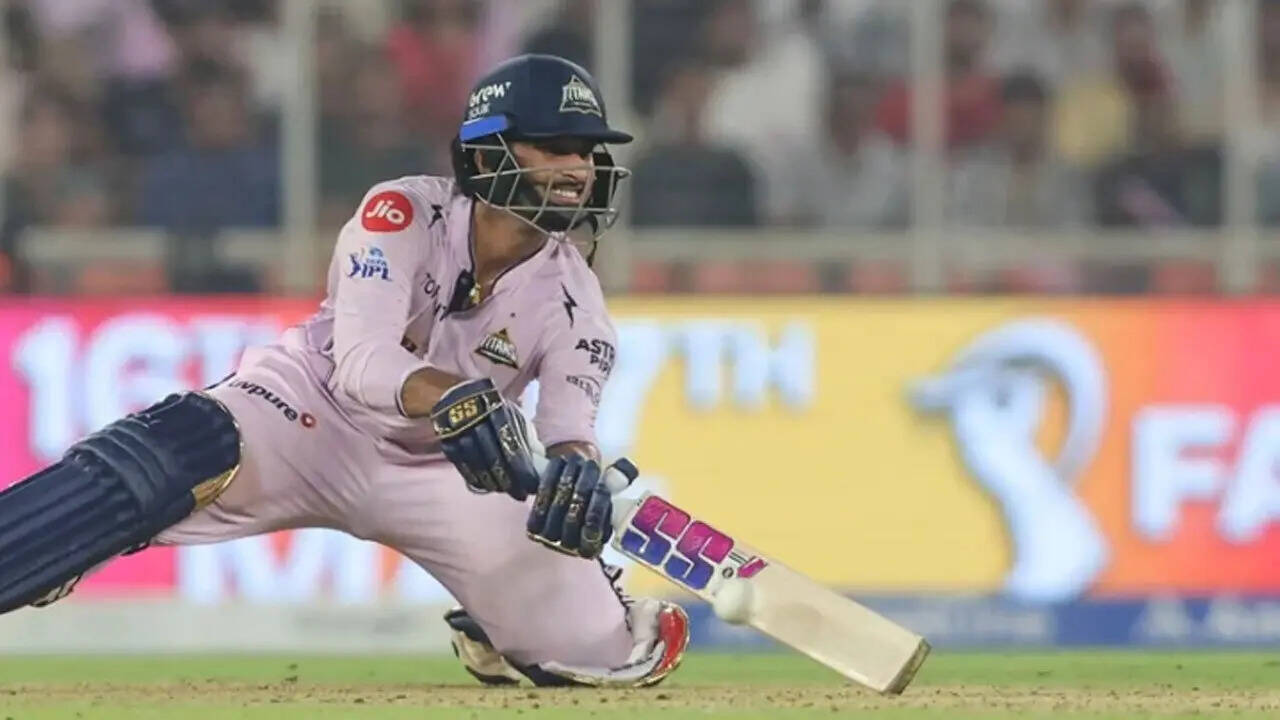
It wasn’t just a six. Plenty of those get struck. This was a contortionist’s feat: a low full toss, dispatched with a flick so languid, so audacious, so utterly unbelievable from a man almost horizontal with the turf, that it sent the ball sailing over mid-wicket as if guided by an invisible hand. The Gujarat Titans’ dugout, usually a picture of practiced poker faces, erupted. The commentator’s voice reached that pitch only heard when the preposterous becomes reality. For an instant, the world, or at least a significant portion of it, watched, agog, as Sundar, still practically seated, completed his swing.
Because that’s what the Indian Premier League (IPL) is these days: a global spectacle, a carefully curated economic juggernaut. It’s more than just twenty-over cricket; it’s an exhibition of soft power, a projection of India’s economic might wrapped in glitzy packaging. That particular match saw the Titans dismantle Sunrisers Hyderabad by 82 runs, a rather clinical affair given the initial challenges of the wicket. Sundar’s half-century, alongside Sai Sudharsan’s composed 61, propelled GT to a defensible 168/7. And then Kagiso Rabada — and Jason Holder ripped through SRH, leaving them all out for a measly 86. Dominance, plain and simple.
But the true story isn’t always on the scoreboard. “This isn’t just about bat and ball anymore; it’s a spectacle, a movement,” confided a senior board official, who prefers to remain unnamed given the delicate balance of politics and sport. “It’s the economic engine driving not just our sport, but shaping the aspirations of a billion people. Every boundary struck resonates across markets, I’ll tell you.” Indeed, the IPL, according to industry estimates cited by several financial analyses, contributed over $11 billion to India’s GDP in its last fully documented fiscal cycle. That’s a lot of sixes. That’s a lot of ambition.
Sundar himself, a player not typically known for such histrionics, seemed almost surprised by his own genius. “Happy it worked the other way,” he offered, post-match, after attempting to explain his contorted physics lesson. “The plan was to not think much.” Ah, the age-old philosophy of pure instinct overriding meticulous strategy. But even instinct, when broadcast to hundreds of millions, carries a certain heft. That one shot? It was a billboard for the confidence and dynamism that’s currently gripping large parts of India, even amidst lingering socio-economic disparities.
This dynamic plays out particularly intensely in South Asia, where cricket transcends mere pastime, becoming an extension of national identity and often, sadly, interstate rivalry. For nations like Pakistan, where the sport enjoys similar fervent devotion but struggles with differing economic realities and a more complex relationship with global cricketing bodies, India’s IPL is a double-edged sword. It showcases excellence, yes, but it also casts a long, powerful shadow.
“While some may see just a game, these moments of Indian cultural dominance, especially in a shared passion like cricket, inherently carry geopolitical weight,” commented Dr. Aisha Rehman, a Karachi-based analyst specializing in regional soft power projections. “It’s a soft power projection that governments on both sides of the border understand intimately. It impacts everything from cultural exchange possibilities to perceptions of economic strength. It’s never just about who wins the trophy.” She’s got a point. It’s really never just about the trophy, is it?
And so, while Sundar’s outrageous shot might fade from the highlight reels eventually, the undercurrents it illuminated — of economic heft, regional influence, and the sheer magnetic force of Indian sport — will continue to reverberate. These aren’t simple narratives, folks. They’re intricate tapestries of commerce, culture, and consequence, played out with bats, balls, and sometimes, the sheer unadulterated theatre of an athlete bending reality to his will.
What This Means
The IPL, epitomized by moments like Sundar’s acrobatic six, is far more than an athletic competition; it’s a critical component of India’s economic narrative and a powerful tool in its regional foreign policy. Economically, the league serves as a massive consumption engine, attracting vast advertising revenues and creating temporary, but significant, employment across numerous sectors, from hospitality to broadcasting. Its continued financial success underscores India’s burgeoning consumer market — and investor confidence. Politically, the IPL subtly but consistently projects India’s growing soft power. The league acts as a cultural adhesive across diverse domestic populations, fostering a sense of national pride and unity through shared sporting passion. Internationally, particularly within the South Asian and wider Muslim world, the IPL showcases India as a dynamic, successful nation capable of staging world-class events and attracting top talent. For Pakistan — and other cricketing nations in the region, the IPL’s dominance presents both inspiration and a challenge. While it offers a benchmark for sporting excellence and a potential model for economic growth through sport, it also highlights the economic disparity and limited engagement avenues, which could contribute to a sense of relative deprivation or increased nationalistic sentiment in response to India’s cultural ascendancy. The spectacle reinforces India’s regional leadership claims, irrespective of what’s happening in other policy arenas. It’s a powerful, populist instrument.