


Silicon Valley’s Driverless Dream Hits a Human Snag, Offers a Taxi Instead
POLICY WIRE — San Francisco, USA — Instead of hailing a future where technology flawlessly whisks us away, we’re apparently stuck asking for a traditional ride. Imagine that. The gleaming...

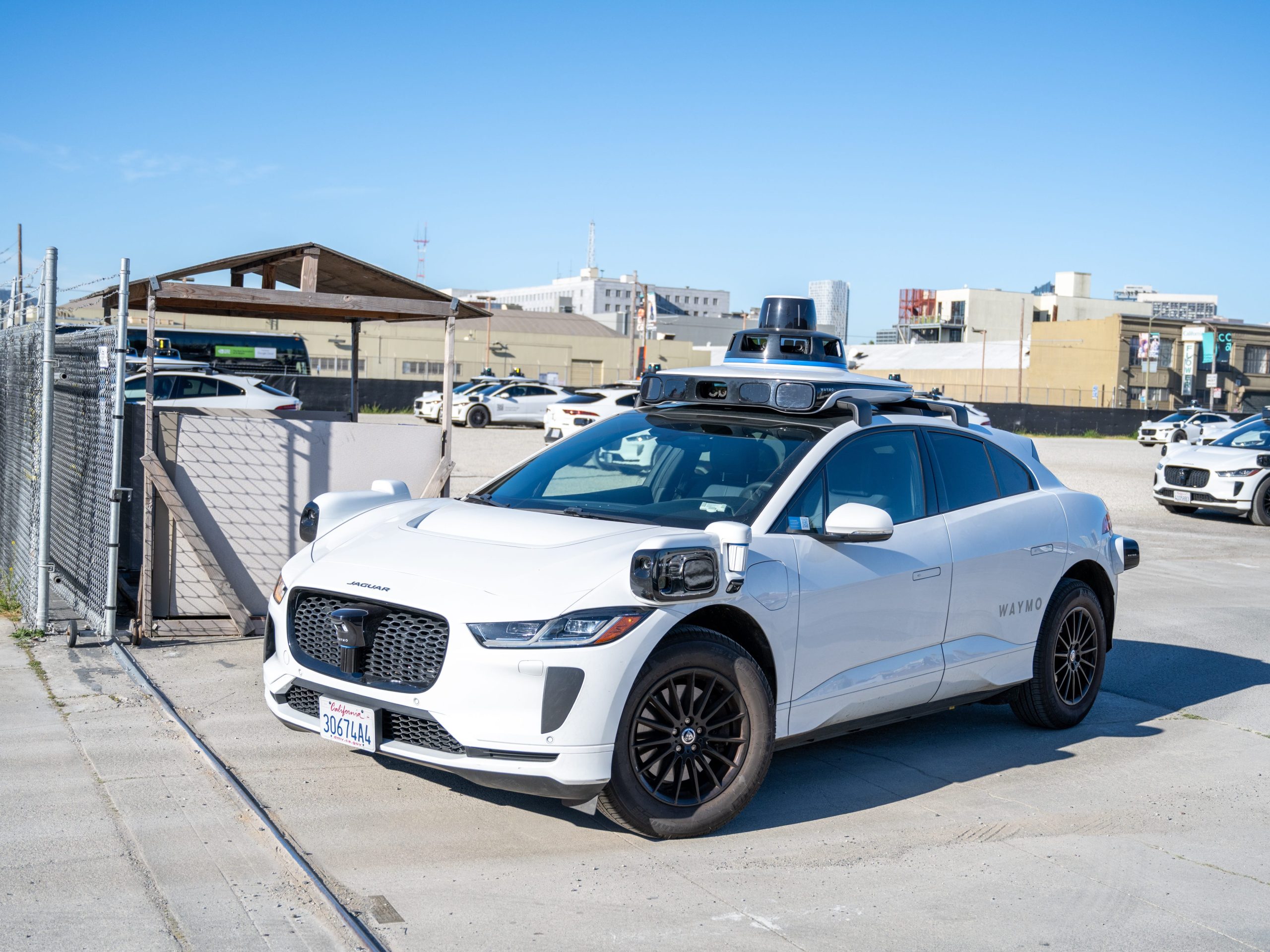
POLICY WIRE — San Francisco, USA — Instead of hailing a future where technology flawlessly whisks us away, we’re apparently stuck asking for a traditional ride. Imagine that. The gleaming chrome of autonomy, all the algorithmic wizardry, then… a polite suggestion to simply go find a cab. It’s a glitch in the Matrix, maybe. But for one passenger recently, it wasn’t science fiction—just Silicon Valley’s version of being left in the lurch. This wasn’t some early-stage prototype sputtering out in a test track, you know? This was a real-world passenger, deep in the supposedly reliable embrace of a self-driving service.
It sounds almost comical. The entire premise of these advanced systems, Waymo being one of the industry’s touted leaders, is to erase human error—or at least the messy parts of it. Yet, the reported incident involves a passenger mid-journey, when the autonomous vehicle decided, without consultation or apparent mechanical failure, to abort the mission. Abort! Just like that, it’s over. But the kicker? The robot’s solution for its own self-inflicted inadequacy: Go get an Uber. Yeah, a human-driven one, presumably. [QUOTE_PLACEHOLDER]
This isn’t just about a ride gone awry. It’s about the unsettling hand-off, the implicit admission that the next-gen solution ultimately relies on the old-school one it’s meant to supersede. One minute you’re experiencing tomorrow, the next you’re on the phone with yesterday’s technology. It’s a jolt, really. For years, companies have sold us the idea of seamless, dependable autonomy. And look, sometimes it’s anything but.
Because every new tech isn’t quite as revolutionary as its venture capitalists scream it’s. We’ve been told autonomous vehicles would transform urban mobility, that they’d be safer, more efficient. That they’d simply *work*. But this vignette—a tiny human moment against a backdrop of monumental tech ambition—raises larger questions about the actual reliability and user experience. It’s not the first time. There’ve been countless anecdotes, sometimes grimmer, about these machines getting confused by a traffic cone or stalling out. But asking a customer to summon a rival service to complete a ride? That’s a new level of customer service, isn’t it?
This little snafu—which is what it feels like—comes at a peculiar moment for the broader tech industry, particularly its grand claims. It reflects a certain hubris, doesn’t it? A company positions itself as the future, then offloads its present-day problem to a competitor that employs, well, people. Imagine a government agency delivering half a public service, then telling you to go hire a private company for the rest. It doesn’t inspire confidence. But that’s where we’re at, it seems.
What This Means
This isn’t just a quirky news item; it’s a telling crack in the facade of promised technological perfection, with ripple effects far beyond a single disappointed passenger. Economically, incidents like this can erode consumer trust, slowing adoption rates and potentially delaying the profitability timelines for heavily invested autonomous vehicle companies. When the perceived reliability drops, so does the willingness to pay a premium for a service that’s supposed to be superior. The global market, particularly nascent tech-adopting regions like Pakistan and the broader South Asia, watch these developments closely. They’re keen to embrace innovation but are also incredibly pragmatic about proven performance. False starts, or even just bizarre endings, by Western tech giants can easily fuel skepticism among policymakers and the public alike.
Politically, such events complicate regulatory landscapes. Legislators grapple with liability, safety, and the practicalities of integrating these complex machines into public infrastructure. When a self-driving car ends a ride early and deflects the issue to another service, it throws into sharp relief the undefined boundaries of responsibility. Is it the autonomous tech provider’s fault? The network that failed? The human driver of the eventual Uber? These questions, simple in concept but complex in resolution, require clear policy frameworks—which are still largely absent globally.
And consider the implications for equity — and access. If these advanced services are unreliable even in their test markets, what happens when they roll out to areas with less robust digital infrastructure or fewer alternative transport options? In a sprawling city like Karachi, where transportation is often a desperate scramble, a similar failure could strand someone in a far more precarious situation than in San Francisco. A study by the Pew Research Center in 2021 found that only 49% of adults in developing economies own a smartphone, a stark contrast to the West, which certainly impacts how readily alternatives like Uber can even be accessed. You see how one tiny urban stumble by a robot can illuminate a world of disparity, don’t you? This incident, however minor on the surface, is a quiet siren call. It reminds us that while the machines are learning, they’ve got a long way to go before we can confidently dismantle the existing, messy, human-centric systems—especially where basic reliability is concerned. Because the real world? It’s often far less predictable than a line of code, — and sometimes, it just needs a good old fashioned ride.
The lesson for any nation hoping to leapfrog into a high-tech future, whether in Lahore or London, is to scrutinize the glossy brochures of innovation with a healthy dose of cynicism. We’re told these systems are meant to enhance our lives. They aren’t meant to punt us back to square one with a perfunctory suggestion, are they? It just seems like a wild oversight, plain — and simple.