


Argentina’s Sacred Game: Economic Worries Muted by Football’s Brutal Scorecard
POLICY WIRE — Buenos Aires, Argentina — Forget the inflation rate, for a moment. Shelve concerns about the peso’s wild dance. In Argentina, when the Big Five—those footballing behemoths of...

POLICY WIRE — Buenos Aires, Argentina — Forget the inflation rate, for a moment. Shelve concerns about the peso’s wild dance. In Argentina, when the Big Five—those footballing behemoths of Buenos Aires and Avellaneda—kick a ball, a nation holds its collective breath, then exhales in either fury or fleeting elation. And what an exhalation it’s been this past semester. The first half of 2026, officially in the rearview mirror, presents a stark, messy picture of ambition smashed against reality for some, while others clung on, if only by their fingertips.
It’s not just a game here, it never is. It’s a thermometer for the national psyche, a weekly referendum on destiny, played out on grass fields. So, when River Plate, ‘Los Millonarios’, didn’t just survive but actually thrived through much of the recent calendar—despite a bitter final defeat in the Torneo Apertura—the collective sigh of relief was almost palpable, pushing other anxieties temporarily aside. They duked it out on all fronts, reaching the main event domestically and securing a spot in the Copa Sudamericana round of 16. It was, analysts report, a run that captured 45% of peak national sports viewership during critical matches, often overshadowing daily political commentary.
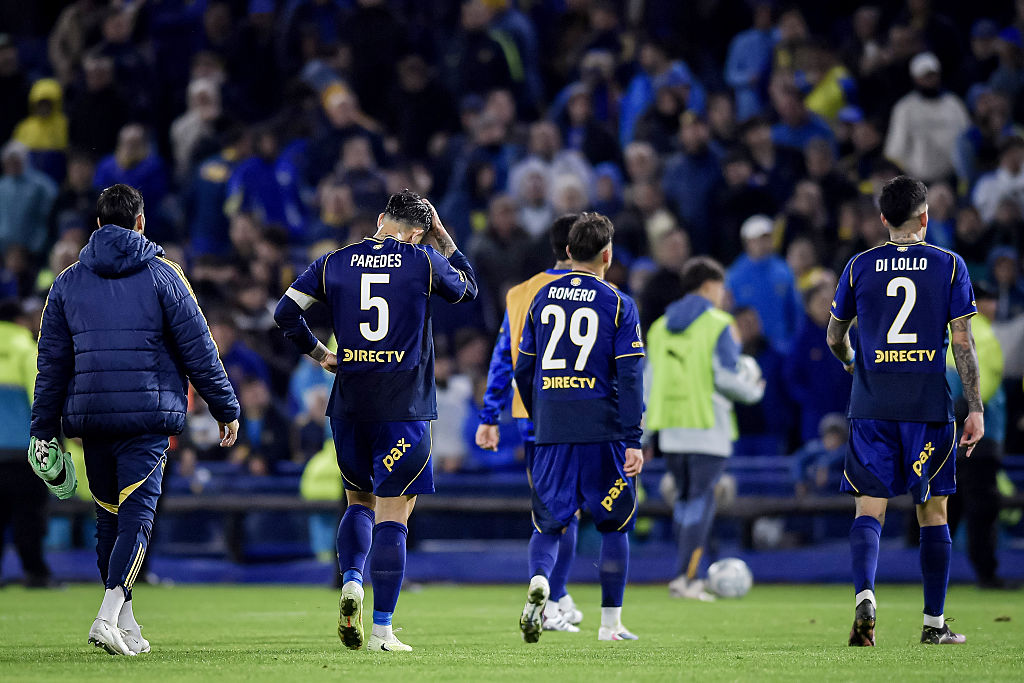
But the true grit, or lack thereof, really shows with Boca Juniors. Their first six months? Well, let’s just say it was less ‘Maradona magic’ and more ‘budget airline luggage handler strike.’ A brutal elimination from the Copa Libertadores group stage—a tournament they often consider their birthright—followed quickly by an ignominious exit from the Torneo Apertura in the round of 16. Ouch. They’re left clinging to the Copa Argentina as their sole shot at something, anything, resembling redemption. It’s a rough patch. Not just for the club, but for a substantial segment of the population whose self-worth, dare I say, sometimes feels tied to the performance of 11 men in blue and gold jerseys.
And speaking of collective mood, that rollercoaster feeling isn’t unique to this part of the world. Imagine the frustration that grips fans here – it echoes similar sentiments of national sporting pride seen from Lahore to Jakarta. Just as a particularly poor run by Pakistan’s cricket team can trigger national soul-searching and heated parliamentary debate, or a surprise elimination in an e-sports tournament can rattle a significant youth demographic in Malaysia, these Argentine football sagas play out on a far grander, more emotionally charged stage than their win-loss columns suggest. They’re narratives that can distract from (or magnify) economic downturns or political squabbles—a potent diversion, sometimes a desperate hope.
Down in Avellaneda, where the clubs almost trip over each other, things didn’t look much rosier. Racing Club made it to the Apertura quarterfinals and, sure, they’re still kicking in the Copa Argentina. But a South American exit in the group stage? That’s not good, never is. Meanwhile, their cross-town rival, Independiente, already without the ‘glamour’ of international play, checked out of the local tournament early. They’ve just got the Copa Argentina round of 16 for company. San Lorenzo? They’ve just been, frankly, forgettable. Knocked out of Sudamericana, out of Apertura, left with the federal cup’s round of 32 like a consolation prize no one really wants to open.
President of the Argentine Football Association, Claudio Tapia, commented recently, “These results, they don’t just affect the balance sheets. They impact millions. Our national sport, it’s tied to our pride, our very being. We’ve got to demand better, because the fans, they don’t deserve this rollercoaster—they need consistent triumph, a source of stability in an unstable world.” He didn’t mince words, which, given the typical bureaucratic speak, felt refreshingly blunt.
But Boca Juniors’ usually stoic president, Juan Román Riquelme, offered a more philosophical, if thinly veiled, take. “Sometimes, the dream gets away from you early. But we always regroup, always plan for tomorrow. What you see on the pitch, it’s just a moment—the spirit of the club, that lives on. It has to.” A pragmatic spin on a less-than-stellar performance, reflecting perhaps a broader sentiment that Argentina—like its storied clubs—often finds itself fighting from behind, betting on a brighter ‘tomorrow’.
What This Means
This mid-year scorecard isn’t just about football, see. It’s a barometer of something far deeper. In a nation frequently teetering on the edge of economic turbulence, these weekly rituals become proxies for national mood swings. When River excels, there’s a collective buoyancy. When Boca falters, you can practically hear the groan reverberate across every social class, briefly drowning out discussions of rising commodity prices or IMF negotiations. This isn’t just some quaint pastime; it’s a critical safety valve, or, sometimes, a painful amplification of widespread frustration. Because when your nation’s pride in its economy might be wavering, its pride in its sporting giants takes on an exaggerated, almost political significance. These games aren’t simply entertainment; they’re battlegrounds for the national identity, where geopolitics can subtly influence the pitch, and the results, good or bad, directly feed into public confidence—or its slow erosion. That’s a burden heavier than any trophy.