


The Age of Bare Knuckle: Yoel Romero’s Enduring Gravitas in a Fractured Combat Landscape
POLICY WIRE — Miami, United States — In a sporting landscape increasingly manicured for mass consumption, where regulations proliferate and athlete safety is (sometimes) paramount, the raw, visceral...

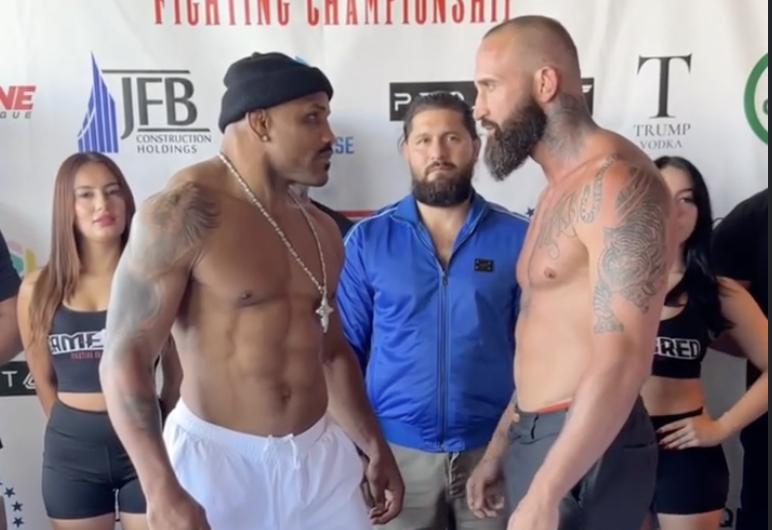
POLICY WIRE — Miami, United States — In a sporting landscape increasingly manicured for mass consumption, where regulations proliferate and athlete safety is (sometimes) paramount, the raw, visceral spectacle of bare-knuckle fighting shouldn’t, by all rational accounts, be thriving. Yet, here we’re: an aging lion, three-time Ultimate Fighting Championship (UFC) title challenger Yoel Romero, 48 years young, squaring off against fellow UFC alumnus Alex Nicholson in a main event that promises precisely what its name implies: pure, unadulterated chaos.
It’s a peculiar twist in the grand narrative of combat sports, isn’t it? As the mainstream endeavors to sanitize its product, a more primitive form gains traction. And at the heart of this resurgence stands Romero, an athlete who seems to defy the very concept of physical decline. He isn’t merely participating; he’s an enduring emblem, a symbol of a shift towards a more primal, less mediated form of competition.
This particular collision, slated for tomorrow night in Miami under the Gamebred Bareknuckle MMA banner, isn’t just another fight. No, it’s a statement. Romero, the Cuban Olympic wrestling medalist, enters with a diverse recent resume, having dropped a decision in a bare-knuckle bout overseas yet simultaneously notching knockout wins in Dirty Boxing and making a successful stop in the Bare Knuckle Fighting Championship (BKFC). He hasn’t competed in MMA since triumphing over Thiago Santos in early 2024, but his activity across disciplines speaks volumes about his tenacious spirit and, perhaps, the evolving economics of a fighter’s twilight years. He’s a mercenary, yes, but one with an almost spiritual commitment to the fight itself.
Nicholson, ‘The Spartan,’ hasn’t had the same recent trajectory, holding a 1-2 record in Gamebred Bareknuckle MMA and struggling for consistent victories since September 2024. He faces a behemoth, both literally — and metaphorically. But this is bare-knuckle, where the margins for error are microscopic — and a single punch can rewrite careers. And that’s the brutal allure, isn’t it?
Still, the spectacle raises profound questions about sports entertainment, fighter welfare, and the global appetite for extremity. Market analytics firm Nielsen reported a 25% year-over-year increase in global viewership for niche combat sports leagues in 2023, signaling a potent shift in entertainment consumption habits. People want blood, sweat, — and genuine consequence, it seems.
But what drives a fighter, particularly one of Romero’s stature — and age, to step into such a unforgiving arena? “For me, it’s about the spirit, the warrior’s path,” Romero shot back during a recent press conference, his gaze unblinking. “Age is just a number when the heart is still hungry.” And Nicholson, keenly aware of the opportunity before him, added, “They count you out until you hit them. And in bare-knuckle, they feel it. This is my statement.”
📄 POLICY WIRE WHITEPAPER PUBLISHED: PAKISTAN'S NATIONAL SECURITY POLICY PRIORITIES
👉 READ BY CLICKING HEREThe fight, importantly, will stream free on YouTube, making it accessible to a global audience. This accessibility is key to bare-knuckle’s burgeoning popularity, allowing it to bypass traditional pay-per-view barriers and reach audiences in disparate corners of the world, including South Asia, where combat sports — from traditional wrestling to modern MMA — enjoy a burgeoning following. It’s not uncommon to find impassioned debates about fight outcomes spilling into online forums across Pakistan, for instance, where the raw spectacle of a pure striking contest resonates deeply with a cultural appreciation for martial prowess, albeit often within more structured frameworks.
What This Means
At its core, the rise of bare-knuckle fighting, personified by the enduring presence of athletes like Yoel Romero, represents a compelling case study in the economics of spectacle and the evolving demands of the global consumer. From an economic standpoint, these events — often operating with leaner promotional budgets and leveraging free global streaming platforms like YouTube — offer a high-impact, low-barrier-to-entry product that effectively competes for eyeballs in a saturated entertainment market. They’re tapping into a market segment yearning for authenticity and perhaps, a return to what some perceive as a more ‘real’ form of combat, uncluttered by gloves or extensive rule sets. It’s a calculated gamble on human nature’s darker fascinations, providing an alternative to the polished narratives of mainstream sports.
Politically (or perhaps, socio-politically), this trend reflects broader societal currents. As traditional institutions face scrutiny and narratives become increasingly fragmented, there’s a certain allure in the unequivocal, unambiguous outcome of a bare-knuckle fight. It offers a stark, immediate resolution in a world often bogged down by complexity — and endless debate. This isn’t just about violence; it’s about a primal form of truth-telling, however brutal. And that truth, however uncomfortable, draws massive audiences, creating new revenue streams and, critically, extending the careers of veteran fighters who might otherwise be relegated to the sidelines. Beyond the glitz of established leagues, this burgeoning sector represents a significant economic crucible, reshaping how combat sports are produced, consumed, and monetized globally. It’s also another arena where global cultural appetites clash and converge, demonstrating that even in the most niche markets, the world is indeed flat.