


Albuquerque’s Lowrider Spectacle: Beneath the Gleam, a Resurgent Cultural Narrative Drives Policy
POLICY WIRE — ALBUQUERQUE, N.M. — It’s a paradox, isn’t it? The lowrider—that shimmering, hydraulic-equipped chariot, often painted with scenes of Mesoamerican lore or Chicano pride—once relegated to...

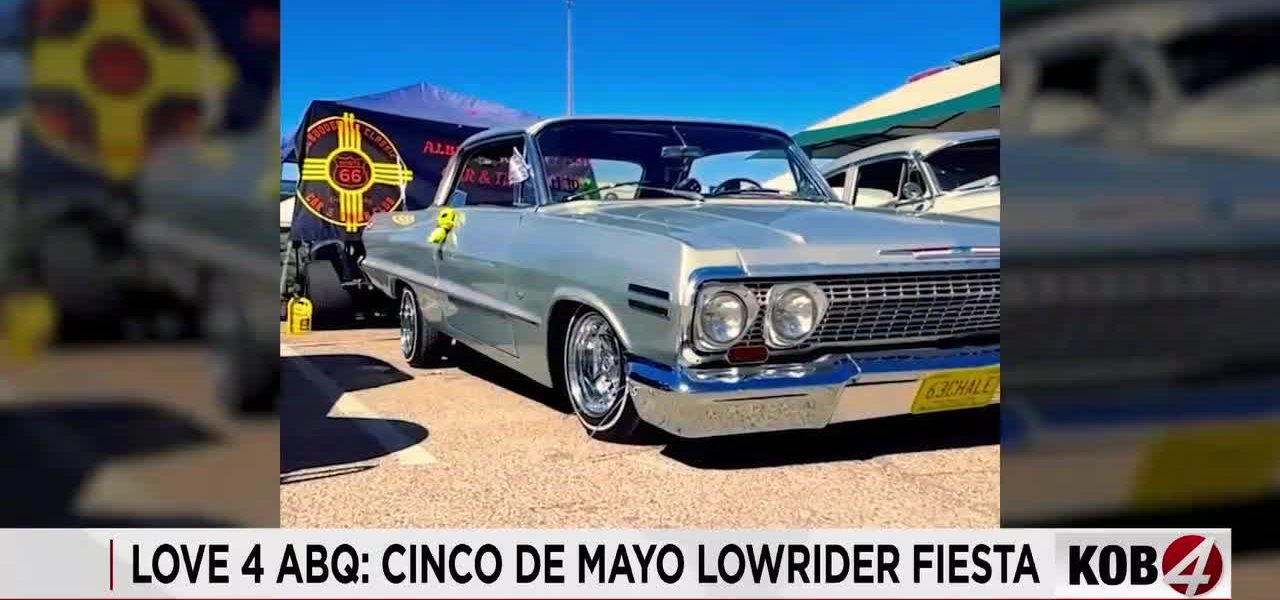
POLICY WIRE — ALBUQUERQUE, N.M. — It’s a paradox, isn’t it? The lowrider—that shimmering, hydraulic-equipped chariot, often painted with scenes of Mesoamerican lore or Chicano pride—once relegated to the fringes, now enjoys a startling embrace from civic boosters and tourism agencies. This isn’t merely about custom cars; it’s about a profound cultural reclamation, a narrative etched in metal and hydro-pneumatic fluid, asserting identity with an unapologetic bounce. And this past weekend, Albuquerque didn’t just host a car show; it celebrated a living, breathing art form, cementing its pivotal role in the state’s cultural tapestry.
The “Love 4 ABQ: Cinco de Mayo Lowrider Fiesta,” spearheaded by Artemis Promotions and Visit Albuquerque, pulled crowds eager to witness these rolling masterpieces. For decades, these vehicles, often crafted in neighborhood garages with meticulous, almost obsessive, dedication, were targets of derision, even policing. Now, they’re marquee attractions. Julia Pluemer, co-founder of Artemis Promotions, didn’t mince words when describing the phenomenon. “This isn’t just a static display,” she shot back, referencing past public misinterpretations. “It’s a kinetic expression of heritage, of craftsmanship passed down through generations—a testament to resilience. We’re finally giving it the grand stage it deserves.”
Behind the headlines of gleaming chrome — and gravity-defying suspensions, there’s a serious economic engine at play. New Mexico’s cultural tourism sector, a significant economic engine, generated over $1 billion in direct spending in 2022 alone. Events like the lowrider fiesta contribute tangibly to that figure, bolstering local businesses from restaurants to hotels, and, crucially, the specialized automotive shops that maintain and restore these complex machines. It’s a localized, artisan economy, vibrant — and deeply rooted.
Still, the cultural implications reverberate far beyond mere commerce. At its core, the lowrider is a statement—a defiance of mass-produced uniformity, a celebration of community, and a visually arresting declaration of Chicano identity in the American Southwest. It’s an indigenous adaptation, really, of a mainstream object, transforming it into something uniquely personal and collective. We see similar artistic appropriation — and cultural assertion across the globe. Think of the elaborately decorated jingle trucks that ply the highways of Pakistan, each a riot of colour and intricate design, a mobile canvas proclaiming regional aesthetics and personal beliefs (sometimes even political allegiances). They, too, defy the utilitarian, elevating the mundane to the magnificent. Both forms, the lowrider and the jingle truck, are potent symbols of cultural distinctiveness in a world increasingly homogenized by global brands.
Governor Michelle Lujan Grisham, keenly aware of the state’s diverse heritage and its magnetic draw for visitors, praised the initiative. “New Mexico’s identity is forged in the crucible of countless cultures,” she stated from Santa Fe, her words reverberating through the political establishment. “Events showcasing our unique traditions, like the lowrider fiesta, don’t just draw tourists; they underscore the richness of who we’re. They’re vital for community pride and economic vitality, proving that authenticity is our strongest asset.” Her support isn’t just symbolic; it lends official imprimatur to a culture often misunderstood.
📄 POLICY WIRE WHITEPAPER PUBLISHED: PAKISTAN'S NATIONAL SECURITY POLICY PRIORITIES
👉 READ BY CLICKING HEREAnd so, what was once an underground movement—a subculture born of post-war prosperity and ethnic pride—has transitioned. It’s become a legitimate cultural phenomenon, one that policymakers are learning to appreciate for its multi-faceted contributions. The careful artistry, the communal effort, the sheer spectacle—it all coalesces into an event that’s far more than a simple gathering of car enthusiasts. It’s a testament to how local traditions, when nurtured, can burgeon into powerful symbols of identity and significant economic drivers.
What This Means
The official endorsement and promotion of events like the Cinco de Mayo Lowrider Fiesta signal a consequential shift in how cultural expressions are valued within policy frameworks. Politically, it’s a shrewd move: embracing a significant, often marginalized, cultural artifact strengthens community ties and can garner political capital from demographics whose heritage is being recognized. It’s a form of soft power, demonstrating governmental acknowledgement of diverse identities—a critical factor in maintaining social cohesion, especially in states with rich, complex demographic tapestries.
Economically, the implications are straightforward but potent. By elevating such events from niche gatherings to major tourism draws, cities like Albuquerque tap into a specialized, passionate visitor base. This doesn’t just mean more hotel nights and restaurant bills; it spurs investment in specialized industries—custom fabrication, automotive repair, even local artisans creating themed merchandise. This creates a sustainable, culturally-driven economy that’s less susceptible to global fluctuations. It demonstrates how cultural capital can translate directly into fiscal strength, often in ways that traditional economic development models overlook. In essence, embracing the lowrider isn’t just about preserving heritage; it’s about smart policy, leveraging culture as an asset to generate wealth and foster unity, one bouncing, gleaming car at a time.