


America’s Sticker Shock: Healthcare Costs Threaten a 2027 Crunch, Leaving Families Strapped
POLICY WIRE — Washington, D.C. — The silent alarm bell ringing in America’s pocketbooks just got louder, promising a real gut punch for countless households a few years down the road. It isn’t...

POLICY WIRE — Washington, D.C. — The silent alarm bell ringing in America’s pocketbooks just got louder, promising a real gut punch for countless households a few years down the road. It isn’t another stock market tumble or a surprise energy price hike—though those happen often enough—it’s the insidious, creeping dread of what health insurance might cost by 2027. And it turns out, the price tags families saw spike this year are just a grim preview of what’s coming next.
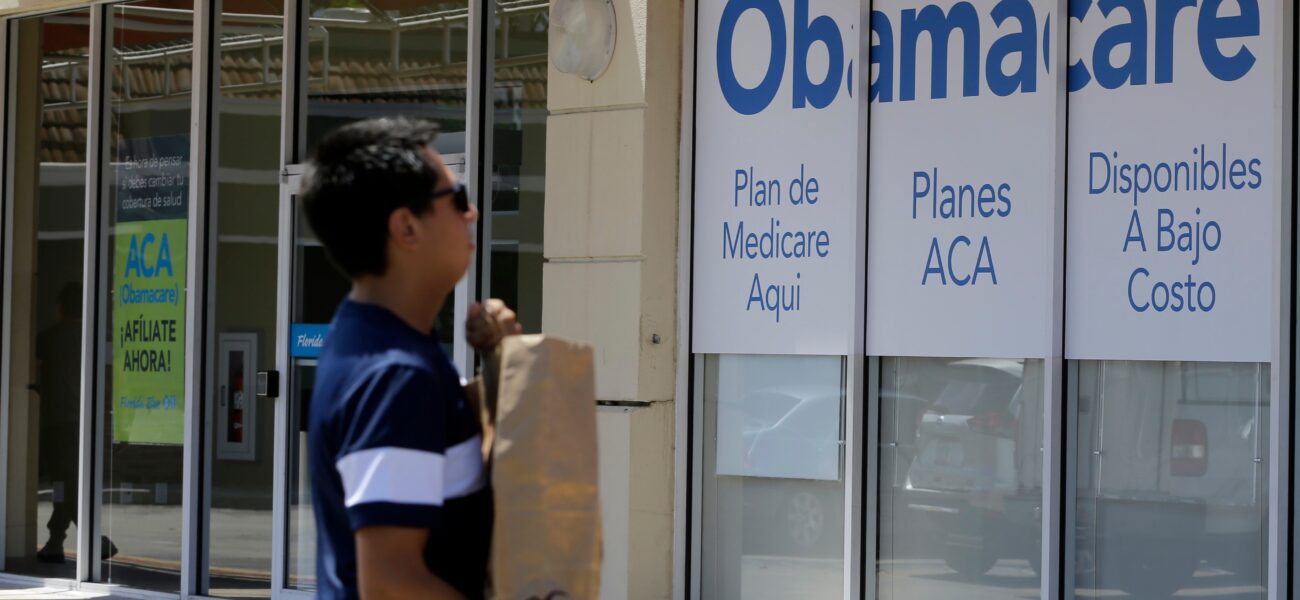
It’s never a comfortable conversation at the dinner table: health insurance. But it’s one that a growing number of Americans, especially those buying plans on the Affordable Care Act (ACA) exchanges, can’t avoid. The numbers just keep moving in the wrong direction, eating up more — and more of an already stretched budget. We’re not talking about a ripple; it’s more like a persistent, gnawing current that’s steadily eroding financial stability for a good chunk of the population. Folks aren’t just cutting back on lattes anymore; they’re having harder conversations about vacation plans or saving for their kid’s college, all because healthcare’s taking a bigger bite. [QUOTE_PLACEHOLDER]
Many probably thought this year’s premium jumps—the ones that stung so badly—were a one-off, a temporary adjustment in the post-pandemic financial wildlands. But new projections don’t exactly paint a picture of relief. Instead, they suggest that relief’s probably not arriving anytime soon, maybe not even for years. An analysis from the Peterson-KFF Health System Tracker, for instance, indicated a roughly 8.5% average premium increase on benchmark ACA plans from 2023 to 2024. And, if you ask policy wonks and analysts, they’ll tell you there’s little in the regulatory pipeline or the wider economy to slow that roll by 2027. You gotta wonder if anyone’s listening.
Because, well, it’s not just an American problem. Economic pressures like these reverberate, even internationally. Consider the families back in Lahore or Karachi, patiently awaiting remittances from loved ones working tirelessly in the States. Every extra dollar an immigrant worker here forks over for their own rising health insurance premium—a mandatory expense to stay above board—is a dollar less sent home, potentially impacting food on the table or education opportunities for relatives halfway across the world. The connection isn’t always obvious, but trust me, it’s there, it’s tangible.
Policy chatter in D.C. tends to focus on legislative fixes, new funding for subsidies, or perhaps tweaking the rules around provider networks. But beneath all the wonk-speak, you find families and small businesses, the folks who simply want a semblance of predictability in their monthly expenses. For them, it’s less about abstract policy — and more about basic survival. And it’s not looking good for a calm outlook.
The issue isn’t just the sheer dollar amount, though that’s certainly a big part of it. It’s the uncertainty, the lack of transparency in how these costs are calculated, and the seemingly relentless upward trajectory. Similar cost pressures are impacting global markets in different sectors, but healthcare hits different. It’s not a luxury item; it’s a fundamental requirement. But as premiums swell, folks start making grim calculations: can they afford to keep their coverage, or do they risk going without?
📄 POLICY WIRE WHITEPAPER PUBLISHED: PAKISTAN'S NATIONAL SECURITY POLICY PRIORITIES
👉 READ BY CLICKING HEREThis whole situation creates a dangerous cycle. As more people struggle to pay for good health insurance, they delay care, they end up sicker, and then, you guessed it, the costs for everyone else go up. It’s a system that’s increasingly unsustainable for a huge swatch of the middle — and lower classes. Politicians, from both sides of the aisle, seem to understand the problem, but their proposed solutions often look like patching a leaky dam with chewing gum. The underlying structural issues—the drug pricing, the administrative bloat, the hospital costs—remain mostly untouched, too politically thorny to really tackle head-on.
What This Means
The looming premium hikes by 2027 aren’t just statistical quirks; they signal an intensified squeeze on America’s working families and a renewed political headache. For one, you’ll see a sharp uptick in voters prioritizing healthcare affordability, forcing candidates in the 2028 election cycle to trot out every imaginable — and some unimaginable — solution. This puts both Democrats, who often champion the ACA, and Republicans, who’ve struggled to offer a coherent alternative, in a truly tight spot. Expect increased rhetoric about federal subsidies, prescription drug caps, and maybe even a renewed push for public option debates.
Economically, this isn’t just about insurance bills. Higher healthcare costs function as a regressive tax, disproportionately hitting lower- — and middle-income earners. Disposable income will shrink further, impacting consumer spending and, potentially, dampening overall economic growth. Businesses, especially small and medium-sized ones, will also face rising costs for employee coverage, forcing tough decisions about wages, benefits, or even staffing. And for global citizens, particularly those in countries like Pakistan, reliant on remittances, this domestic cost inflation directly translates to reduced financial inflows—a subtle yet profound ripple effect that too often goes unexamined in Western policy discussions. We’re seeing it elsewhere too, you know, with things like the volatile investment markets shaking global financial confidence. It’s all connected. The healthcare cost issue isn’t just about healthcare anymore; it’s an economic anchor pulling everyone down.