


Texas Triumph: LaPour’s Velocity Ignites TCU’s Surge, Echoes Broader Athletic Economy Shifts
POLICY WIRE — Fort Worth, Texas — The crack of the bat and the roar of a crowd often mask the intricate machinery beneath collegiate athletics. Yet, in Fort Worth, a recent baseball sweep by the TCU...

POLICY WIRE — Fort Worth, Texas — The crack of the bat and the roar of a crowd often mask the intricate machinery beneath collegiate athletics. Yet, in Fort Worth, a recent baseball sweep by the TCU Horned Frogs — punctuated by the electrifying return of ace right-hander Tommy LaPour — has done more than just inject momentum into a promising season; it’s underscored the profound, often understated, interplay between athletic performance, institutional prestige, and the ever-shifting currents of the global talent economy.
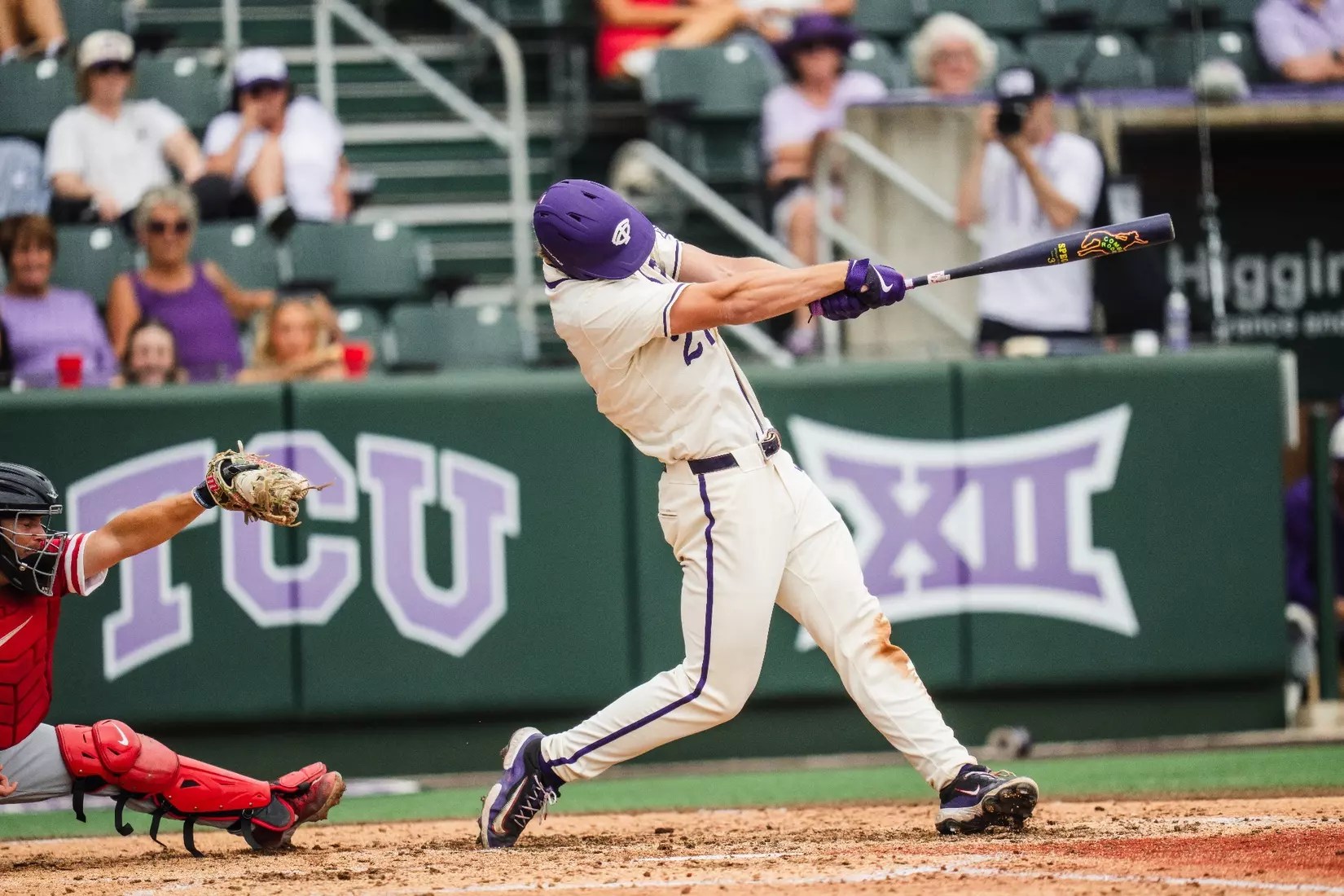
LaPour, back on the mound after a considerable injury layoff, didn’t just pitch an inning; he hurled a 99 MPH fastball, a velocity that registered not just on radar guns but across the entire Big 12 conference. This singular, powerful act became a potent metaphor for resilience, a palpable surge in a season that, until recently, had flirted with inconsistency. They’ve now extended their winning streak to six games, culminating in a dominant three-game shellacking of the Houston Cougars at Lupton Stadium.
It’s moments like these, observers contend, that elevate sports from mere spectacle to a consequential component of a university’s broader strategic calculus. And it isn’t just about wins and losses; it’s about brand equity, recruitment pipelines, and the subtle signals sent to prospective students, faculty, and vital donors. Dr. Anjali Sharma, Associate Vice Chancellor for External Affairs at TCU, articulated this sentiment clearly. “These victories aren’t merely about runs scored or innings pitched; they reflect an institutional commitment to comprehensive excellence,” Sharma told Policy Wire. “They galvanize school spirit, certainly, but also powerfully attract talent, cultivate donor relationships, and ultimately, bolster the university’s standing in an increasingly competitive academic and athletic landscape.” Her words carry weight, highlighting the multi-faceted returns on athletic investment.
Behind the headlines of dramatic come-from-behind victories—like the Saturday affair where run-scoring doubles by Chase Brunson and Brady Dallimore sealed a 4-2 win—lies a meticulous cultivation of talent. From Nolan Traeger’s three-hit, home run performance on Friday to Jack Bell’s four-for-four, four-RBI monster outing on Sunday, the Horned Frogs displayed a depth that suggests a well-oiled athletic development machine. They’re now sitting at a robust 28-15 overall record (13-8 in Big 12 play), placing them in a tie for fourth in the conference standings — a significant metric for postseason aspirations and, indeed, institutional pride.
But this isn’t just a Texas story. The narrative of an elite athlete’s return from adversity, the intense competition for conference supremacy, and the economic ripples generated by successful programs resonate far beyond American borders. In emerging economies, particularly across South Asia and parts of the Muslim world, nations grapple with how to best harness sports — often with limited resources — to foster youth development, national identity, and even soft power. Pakistan, for instance, faces constant challenges in diversifying its sporting infrastructure beyond cricket, struggling with funding and grassroots development for sports like baseball, which could offer alternative pathways for athletic talent.
“Every athlete’s journey, particularly one as arduous as recovering from a significant injury, tells a universal story of perseverance,” noted Kirk Saarloos, TCU’s Head Baseball Coach, reflecting on LaPour’s comeback. “This team, they’ve shown an uncommon grit all season long, and Tommy’s return isn’t just a physical boost; it’s a profound psychological one for everyone involved. You simply can’t put a price on that kind of resolve.” Saarloos’s remarks hint at the intangible, yet invaluable, assets these moments provide.
What This Means
At its core, TCU’s recent surge, particularly LaPour’s impactful return, represents a micro-study in the macroeconomics of collegiate athletics. A top-tier baseball program, especially one making a run in the Big 12, amplifies a university’s national profile, drawing applications from promising students and attracting lucrative sponsorships. the local economic footprint — from increased attendance at Lupton Stadium to the ancillary spending in Fort Worth businesses (think hotels and restaurants) — is not insignificant. This isn’t just about college kids playing a game; it’s about an integrated system where athletic success acts as a powerful, albeit often unquantified, marketing and development engine. The investment in player rehabilitation, exemplified by LaPour’s methodical return, speaks to the sophisticated resource allocation required to maintain competitive advantage. It’s a testament to the belief that a well-funded, professionally run athletic department isn’t merely an expense; it’s a strategic asset capable of yielding substantial returns, both tangible and intangible. Still, this American model of highly capitalized university sports stands in stark contrast to the often ad-hoc, politically influenced sporting structures seen in many developing nations, where national teams, rather than educational institutions, typically bear the brunt of talent development.
The Horned Frogs will now host UT-Arlington before heading to Oklahoma State, keen to maintain their impressive trajectory. Their season, punctuated by performances like Brady Dallimore’s career-high six RBIs on Sunday, has become a compelling case study in the broader policy implications of investing deeply in collegiate sports, impacting everything from local economies to institutional prestige. You can’t deny the ripple effect. (For a deeper dive into the global sports-industrial complex, click here.) Even as nations like Pakistan look to diversify their sporting portfolios, the underlying principles of talent development, strategic investment, and cultivating a culture of perseverance remain universally consequential.