
Desert’s Fury: New Mexico’s Dry Storms Kick Up More Than Dust, They Stoke Climate Questions
ALBUQUERQUE, N.M. — For generations, the promise of the American West has been steeped in images of wide-open spaces, stark beauty, and resilient self-reliance. But what happens when that resilience...

ALBUQUERQUE, N.M. — For generations, the promise of the American West has been steeped in images of wide-open spaces, stark beauty, and resilient self-reliance. But what happens when that resilience is tested, not by a single blip on the meteorological radar, but by a deepening existential crisis painted across the sky in plumes of dust and the unsettling crackle of lightning? New Mexico, a land historically defined by its aridity, just got another stark reminder.
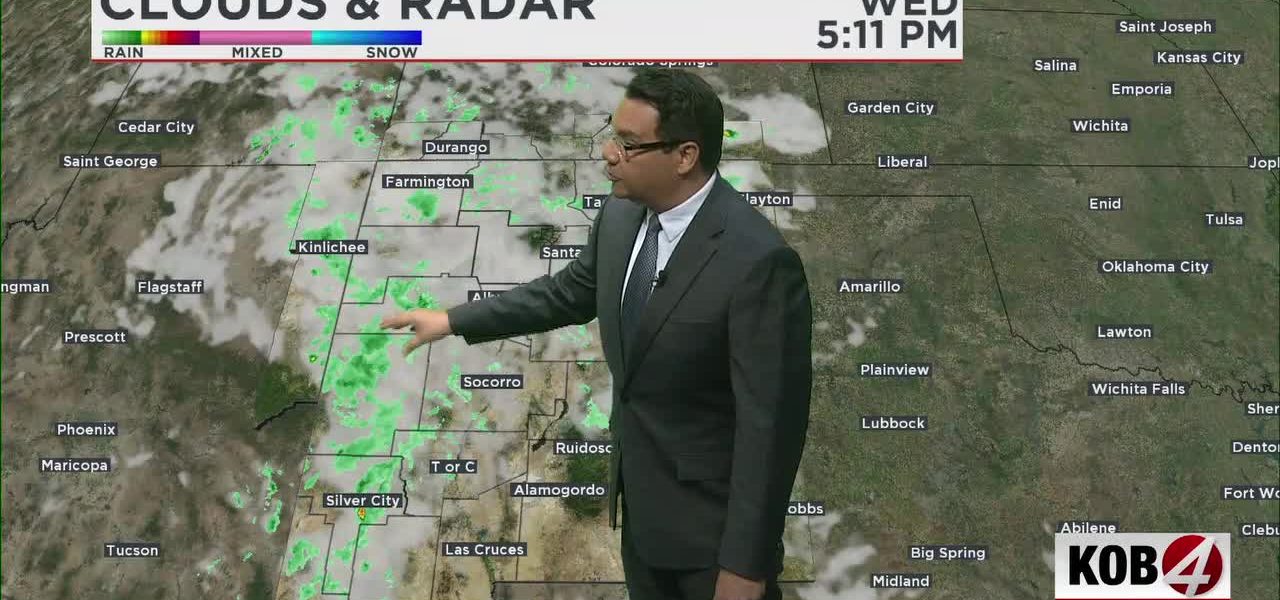
It wasn’t your typical downpour. Not by a long shot. Wednesday evening saw high-based showers and isolated thunderstorms sweep across central and western New Mexico, from the sun-baked stretches near Gallup to the ancient earth around Socorro and the Gila region. But don’t imagine cooling rains. No, sir. This was a spectacle of elemental power, mostly without the relief of moisture. The atmosphere down near the ground remained bone dry, leaving residents to grapple with the consequence of ‘virga’—rain that evaporates before it even hits.
Because that’s the rub, isn’t it? These weren’t storms to replenish. They were harbingers. Their main act: erratic, powerful outflow winds, clocking in at over 50 mph, whipping up every loose speck of earth. This isn’t just an inconvenience for folks heading home; it’s a profound disruption, turning highways into sudden, choking dust bowls, blindsiding motorists, and choking the very breath from the air. And, adding insult to injury, the ever-present threat of dry lightning—a wildfire accelerant that requires no human hand—loomed large over parched forests and rangelands.
But Governor Michelle Lujan Grisham doesn’t sugarcoat it. “We’re confronting an undeniable reality,” she stated, in what’s become a familiar refrain for leaders in the region. “The weather patterns we’re seeing—this vicious cycle of intense heat, extreme dryness, and then these perverse, moisture-less storms—they demand more than just contingency plans. They demand systemic changes in how we manage our precious water, protect our communities, and address climate change head-on. It’s not just a New Mexico problem; it’s America’s future laid bare.”
The mercury is hardly helping matters. Thursday continued the sweltering trend, with Albuquerque roasting around 95 degrees, Roswell hitting a blistering 100, and Carlsbad nearly matching it. These aren’t just ‘hot days’; they’re cumulative stresses on an already beleaguered ecosystem, on electrical grids straining under increased demand, and on human bodies unaccustomed to such sustained furnace-like conditions. what began in the west migrated east, threatening the plains near Clayton, Tucumcari, and Clovis with the same dusty, gusty, dry-lightning roulette.
📄 POLICY WIRE WHITEPAPER PUBLISHED: PAKISTAN'S NATIONAL SECURITY POLICY PRIORITIES
👉 READ BY CLICKING HEREProfessor Tariq Malik, a hydrologist specializing in arid lands at a prominent Pakistani university, notes the global pattern. “From our valleys in Pakistan’s Balochistan to the high desert of New Mexico, the blueprint is alarmingly similar,” Malik mused in a recent virtual seminar. “We’re seeing less predictable rainfall, more intense heat, and these ‘dry’ events that don’t bring relief, but often amplify the risk of fire and resource scarcity. The ancient wisdom of water conservation in places like the Indus Valley could offer surprising lessons, but modern policy adaptation is far too slow.” He points to World Bank data indicating that by 2050, up to 118 million people in South Asia alone could face climate-induced internal migration—a dire echo, perhaps, of what even resource-rich nations like the U.S. might confront on smaller scales. Such conditions only exacerbate the pressure on already struggling agricultural sectors.
What This Means
This isn’t merely a weather report; it’s a stark geopolitical missive delivered directly to our doorstep, outlining the raw policy challenges. First, there’s the economic hit. Agriculture, already teetering in much of the state, takes yet another gut punch. Water rights disputes—perennial legal battles in the West—become even more acrimonious when the very resource is dwindling. Energy infrastructure, especially renewables like solar that thrive in abundant sun, finds its operations challenged by heat-related efficiency drops and the grid’s overall fragility. It’s a cruel paradox: the perfect conditions for solar generation simultaneously stress the transmission system.
But the ramifications stretch further. Public health becomes a pressing concern. Respirator issues spike with air quality degradation from blowing dust, while heatstroke becomes a very real and present danger for outdoor workers and vulnerable populations. This demands increased healthcare spending, updated emergency protocols, and perhaps a federal aid package—none of which are simple political fixes in an already fractious Congress. Because when the land dries up, people leave. When water becomes a luxury, the demographics of entire regions shift, igniting fierce debates over who gets what little remains. This arid drama playing out in New Mexico? It’s not just about a few gusty nights; it’s about the very calculus of sustainable human habitation in a rapidly changing world.