


Nigeria’s ‘Whiz Kids’: Can a Cabinet of Coders Rewrite an Economy?
POLICY WIRE — Abuja, Nigeria — It wasn’t the oil wells or the perennial political jostling that first caught the eye. Not this time, anyway. Instead, observers are watching the faces—mostly...

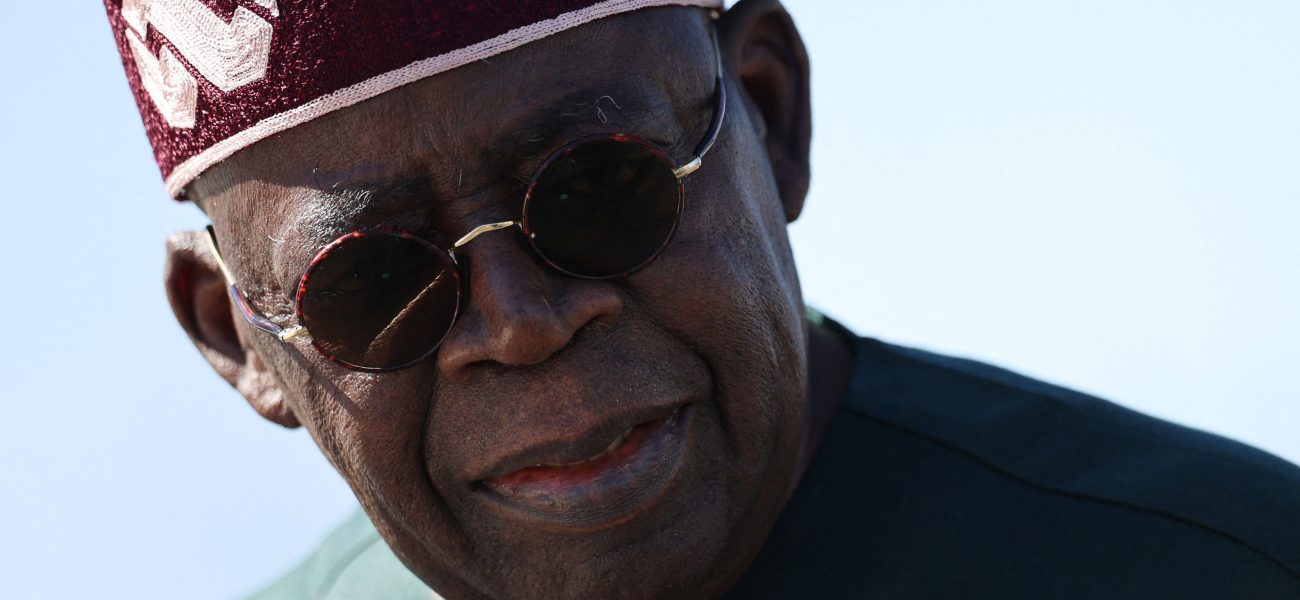
POLICY WIRE — Abuja, Nigeria — It wasn’t the oil wells or the perennial political jostling that first caught the eye. Not this time, anyway. Instead, observers are watching the faces—mostly young, decidedly digital—clustered around Nigerian President Bola Ahmed Tinubu, whispering, clicking, and, it appears, charting the course for Africa’s most populous nation. President Tinubu, fresh off a hotly contested election win, isn’t just tapping new talent; he’s orchestrating a silent revolution, bypassing seasoned bureaucrats and traditional powerbrokers in favor of a cadre of young, mostly tech-savvy technocrats.
This isn’t some quaint experiment; it’s a strategic recalibration. You see, the old guard, for all its experience, hasn’t exactly delivered an economic paradise. Now, Tinubu’s placing a hefty bet on those whose fluency lies not in Abuja’s backroom dealings but in blockchain, AI, and the harsh realities of start-up culture. He’s letting them run chunks of the economy, aiming to inject Silicon Valley hustle into what’s often been a lumbering government apparatus.
“We can’t expect new results from old approaches,” declared Dr. Ngozi Eze, a newly appointed Special Adviser on Digital Economy Strategy, her voice firm during a recent tech conference. “The president’s vision isn’t about just creating jobs; it’s about reshaping our economic DNA, letting young, agile minds craft solutions for a globalized world. They’ve proven their mettle in the private sector; now they’ll prove it for the nation.” It’s a sentiment many youth in Nigeria, facing crippling unemployment rates (around 42.5% for those aged 15-34 in Q4 2023, according to the National Bureau of Statistics), are desperate to hear.
But not everyone’s applauding. Some political veterans view it as a dangerously naïve gambit. “Youthful exuberance is one thing; navigating a complex, deeply entrenched economy is another entirely,” remarked Chief Olusegun Adebayo, a former Finance Minister now in the opposition. “You can’t just code your way out of fiscal deficits or diversify away from oil overnight. This requires institutional memory, the kind of gravitas you only get from years in the trenches, not just online.” Adebayo’s words echo a quieter apprehension—that bypassing established networks could breed resentment, or worse, expose these bright young things to pressures they’re not yet equipped to handle.
And what’s happening in Lagos’s innovation hubs isn’t just a local ripple. It’s got wider implications. Elsewhere, in places like Pakistan and Bangladesh, governments are also wrestling with massive youth populations, digital transformation, and the persistent ghost of traditional patronage systems. Dhaka, for example, has made its own moves, not just in cricket, but in leveraging digital exports. Abuja’s bold stroke isn’t just an internal affair; it’s an intriguing test case for developing nations globally looking to leapfrog industrial age stagnation into the digital future, even if it means rattling a few well-worn cages.
Because ultimately, this administration understands the optics. You can’t just talk about youth empowerment; you’ve gotta show it. You’ve got to make it tangible. They’re making a spectacle of it—appointing startup founders, data scientists, and fintech evangelists to positions that traditionally went to political appointees or long-serving civil servants. It’s a calculated risk, betting that youthful energy, coupled with technical acumen, can untangle Nigeria’s legendary economic knots where older, more cautious hands haven’t. It’s certainly got everyone talking, — and that, too, might be part of the plan.
It’s an era where the nation’s political pulse, surprisingly, might be beating in sync with its youthful demographic bulge, even if the old guard—and sometimes, you know, they’re the ones who really pull the strings—feels a tad overlooked.
What This Means
Tinubu’s radical embrace of a technocratic youth corps signals a calculated departure from Nigeria’s often conservative political economy. Politically, it’s a shrewd move to cultivate support among a frustrated, aspirational demographic, sidelining elements of the political old guard without outright alienating them. It says, ‘I’m shaking things up, and I’m doing it for your future.’ Economically, the upside could be substantial. Injecting fresh, tech-forward thinking into policy-making could streamline processes, attract foreign investment in nascent industries, and diversify an economy overly reliant on volatile oil prices. If these young advisors can translate their digital prowess into tangible policy outcomes—think faster government services, more efficient tax collection, or genuine innovation funding—Nigeria could indeed carve out a unique developmental path.
But the risks aren’t small. An untested technocracy might struggle with the sheer inertia of Nigeria’s bureaucratic machine or the intricate web of socio-political dynamics. The transition could be bumpy; the pushback from entrenched interests, quite ferocious. while their expertise is deep in specialized fields, grand economic strategy demands a broader understanding of everything from social safety nets to regional geopolitical forces. The success of this experiment, then, won’t just hinge on digital solutions, but on whether these bright, new faces can forge meaningful alliances, build consensus, and, perhaps most importantly, avoid being co-opted by the very systems they’re trying to disrupt. The world’s watching—because if it works here, a lot of other countries with similar challenges might just decide to grab their own digital darlings, too.