


Sudden Death on the Savannah: Two Teams, a Whisper Away From Glory, Defy the Brutal Calculus of Youth Sports
POLICY WIRE — Atlanta, GA — When the referee’s whistle shrieked, signaling the end of another grinding, scoreless period, it wasn’t the cheering that rang loudest; it was the sharp,...

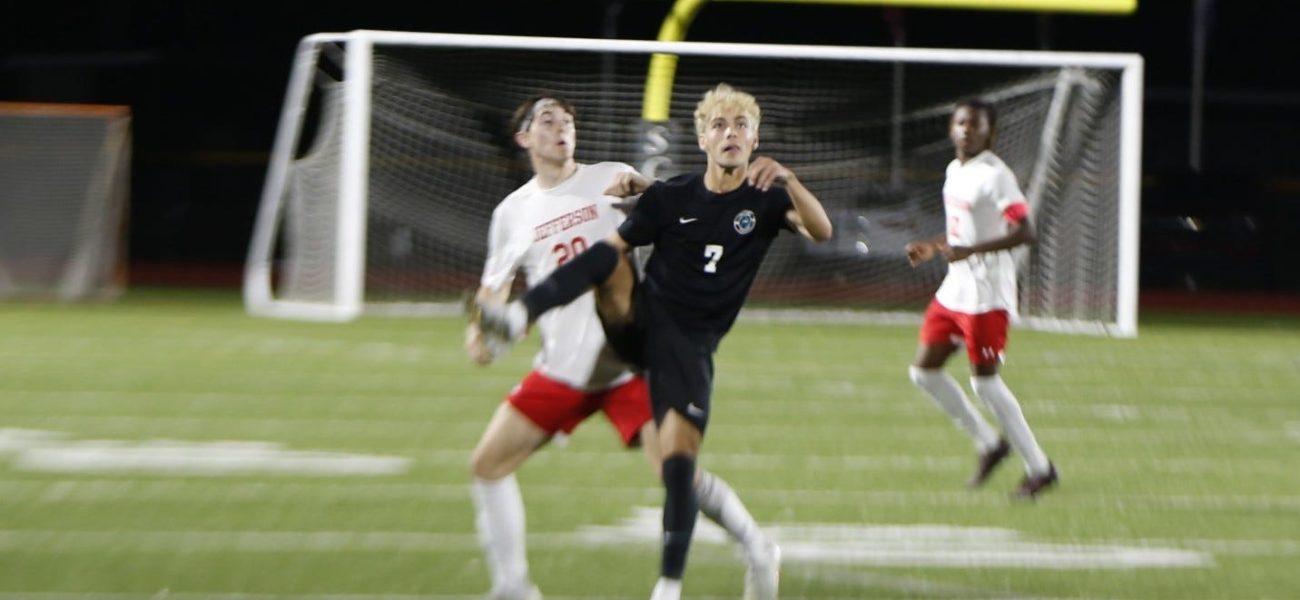
POLICY WIRE — Atlanta, GA — When the referee’s whistle shrieked, signaling the end of another grinding, scoreless period, it wasn’t the cheering that rang loudest; it was the sharp, collective intake of breath from hundreds of spectators. For two Georgia high school boys’ soccer teams, the promise of the state championship now rested not on tactical brilliance or sustained offensive pressure, but on the isolated, brutal physics of a penalty kick. And for Islands and Savannah Arts, the brink-of-collapse tension played out on Friday night became, improbably, their twin tickets to glory. Not just victory, mind you, but an entirely unprecedented visit to the state finals. Nobody saw that coming. Not really.
Islands, playing on home turf, navigated a ninety-minute defensive slugfest and then two full overtime periods against visiting Jefferson. Four-three, that’s how the scoreboard read after the lottery of kicks, sending the “Shark Tank” crowd into something nearing delirium. They’re now 21-2 on the season, a truly impressive clip, — and slated to face East Hall next week. But it wasn’t a clean win, it never is when the game goes to kicks. Head Coach Justin Brantley, a seasoned hand, made a gut-wrenching switch in goal for the shootout, benching his shutout keeper for senior Larkham Reidlinger, a specialist for such moments. It paid off. “We’ve faced really good competition all season long,” Brantley stated, his tone betraying a certain understated pride, “so that when we play games like this — we can step up and do the job.” It’s the kind of confidence you earn the hard way.
Meanwhile, 200 miles west, Savannah Arts embarked on a marathon road trip to confront Columbus — Class 2A’s top seed — and, well, did the impossible. After a 1-1 tie through regulation — and overtime, it also came down to sudden-death penalties. Savannah Arts won, just like Islands did, defying the brutal arithmetic of fading dynasties for the favored side. The Panthers, with a respectable 16-6 record, will now face region rival Pierce County in a grudge match. “This was the best game we played all season,” Coach Ben Parker conceded, his voice still edged with exhilaration. “The kids have never been in that situation and we were all so happy.” They’ve got a reputation for last-gasp wins, too, even scoring an equalizer in the final minutes of an earlier playoff game before another penalty triumph.
Because let’s be frank, penalty shootouts aren’t about sport; they’re about raw nerve and random chance, thinly disguised as skill. Young Andrew McLaughlin, the sophomore who netted Islands’ game-winner, admitted, “It wasn’t the prettiest kick, but it got the job done.” An honest assessment, if ever there was one. It’s the kind of gritty realism that defines a team in uncharted waters. Senior Julian Roma summed it up with refreshing clarity: “This means everything, we made history tonight.” His words carried the weight of a monumental effort.
What This Means
The ascendancy of underdog teams in Georgia’s fiercely competitive high school athletic landscape offers a compelling, if minor, case study in organizational resilience and psychological fortitude. For Islands, the win represented more than just progress in a tournament; it was their first-ever state championship berth in *any* sport. That’s a big deal for a school still carving out its identity. And it speaks volumes about focused, consistent coaching — the kind that understands how to extract performance when it matters most, when the margin for error is measured in millimeters, not yards.
📄 POLICY WIRE WHITEPAPER PUBLISHED: PAKISTAN'S NATIONAL SECURITY POLICY PRIORITIES
👉 READ BY CLICKING HEREConsider the wider, almost philosophical, implications of these high-stakes victories. These narratives, replicated countless times in obscure tournaments and international arenas, illustrate how athletic competition often functions as a powerful socio-economic lever. For communities in Savannah, success in youth sports can galvanize local support, build civic pride, and even, indirectly, foster a sense of collective purpose — something particularly potent in the current climate. It’s a phenomenon not restricted to American suburbia; it echoes, for instance, the fervent investment in youth sports programs across Pakistan. There, organizations grapple with similar resource constraints but see soccer development, from the dusty fields of Lahore to the bustling pitches of Karachi, not merely as a pastime but as a structured pathway for youth engagement and even a modest economic engine. Such programs aim to instill discipline — and teamwork, mirroring the very qualities displayed by these Georgia teams. Globally, competitive sports, regardless of scale, remain an unlikely forge for leadership — and tenacity. Indeed, the very essence of human limit often feels redefined at moments like these, under the intense scrutiny of expectation. It’s the cold calculus of human limit — win or lose — on full display.
The economic impact of such ‘wins’ at this local level shouldn’t be overstated, obviously. We’re not talking about billions. But community enthusiasm can translate into enhanced school funding, increased participation in future programs, and a palpable boost to local businesses that benefit from traveling fans and increased foot traffic. It’s a modest ripple, perhaps, but one that strengthens the local fabric. And let’s not forget the immediate human cost: the vanquished teams, often top-ranked, facing a sudden and disheartening exit. For them, it’s a harsh lesson in competitive reality. Because, sometimes, the better team on paper doesn’t actually win the day.