


Colombia’s Feathered Frontier: Avian Riches, Post-Conflict Policy, and the Perils of Prosperity
POLICY WIRE — Bogotá, Colombia — It’s not the drug cartels, nor the FARC’s lingering shadows, that pose Colombia’s most exquisite, yet intricate, policy dilemma today. No, it’s the birds — their...

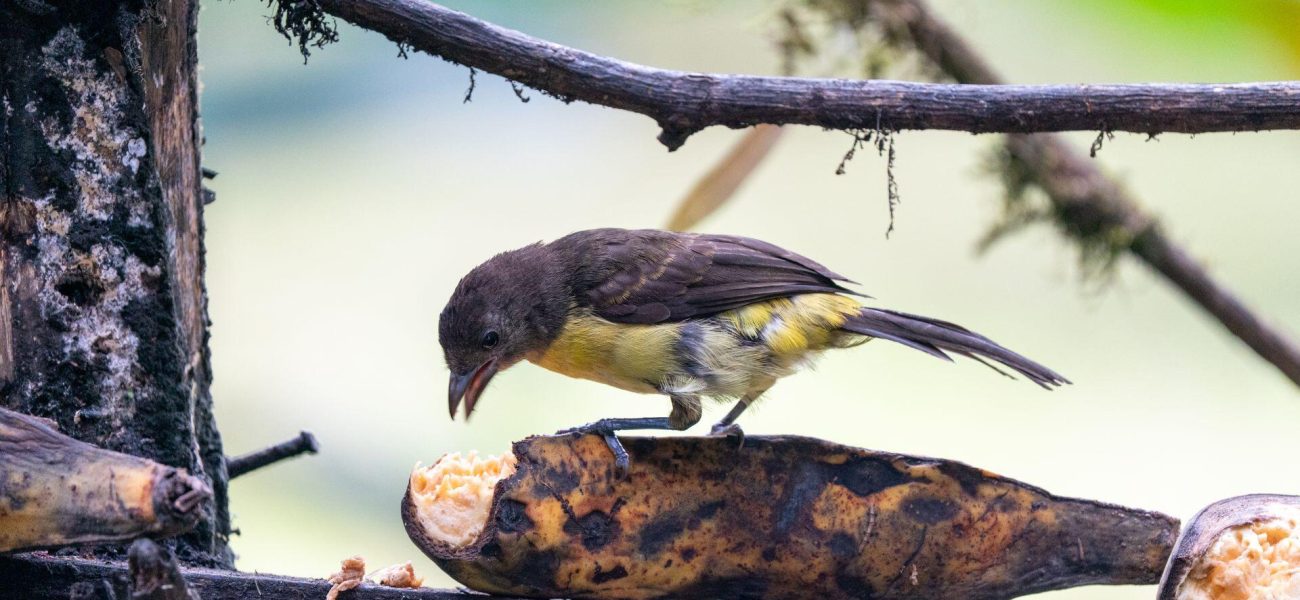
POLICY WIRE — Bogotá, Colombia — It’s not the drug cartels, nor the FARC’s lingering shadows, that pose Colombia’s most exquisite, yet intricate, policy dilemma today. No, it’s the birds — their iridescent plumage, their haunting calls, their sheer, astonishing numbers. This vibrant ornithological tapestry, long a whispered secret within impenetrable jungles, has now emerged as a geopolitical asset and an administrative headache of monumental proportions, especially in the wake of a fragile peace.
For decades, vast swathes of Colombia’s biologically rich terrain remained off-limits, shielded paradoxically by conflict. Guerrilla strongholds — and illicit crop cultivation kept human intrusion (and often, scientific scrutiny) at bay. But with the 2016 peace accord, a grand opening occurred, like a forgotten vault suddenly flung wide. What spilled forth wasn’t just land for development, but an unrivaled biodiversity – a natural inheritance that now compels immediate, nuanced policy responses. It’s not merely a matter of appreciation; it’s a colossal question of how to manage a newfound, immensely valuable, and deeply vulnerable resource. And don’t underestimate the sheer scale: Colombia hosts an astounding 1,970 known bird species, representing roughly 20% of the world’s total avian diversity, according to data from Cornell Lab of Ornithology.
This biological windfall offers Colombia a unique brand of soft power — the lure of unparalleled ecotourism, drawing an increasingly environmentally conscious global elite. But it also presents a Gordian knot of conservation mandates versus the very real pressures of economic development. Imagine the planning required: protecting fragile habitats from illegal logging, unchecked mining, and expansion of agriculture, all while trying to create sustainable livelihoods for communities often marginalized by years of internal strife. It’s a tightrope walk over an ecological chasm, if you ask me.
“We’re acutely aware of the delicate balance required,” asserted Francisco Lozano, Colombia’s Minister of Environment and Sustainable Development, in a recent address. “Our biodiversity is our heritage, yes, but it’s also our future. We can’t simply lock it away; we must find ways for communities to thrive alongside it, to become its stewards, not its destroyers. It’s a challenge of national identity, really.” He’s not wrong; the stakes are incredibly high, nationally and globally.
Behind the headlines, a subtle competition is also brewing. Nations like Colombia, possessing such critical natural capital, find themselves courted by international conservation bodies, development banks, and—let’s be frank—global capital keen to invest in the next big thing, whether that’s responsible tourism or carbon credits. Still, the danger lurks that these efforts might fall prey to the same resource extraction impulses that plagued previous eras, just with a greener veneer.
“The world watches Colombia with a mixture of awe — and apprehension,” mused Dr. Lena Hanson, a senior ornithologist — and conservation strategist with the World Wildlife Fund. “This country’s avian treasures are a planetary asset. If Colombia can chart a path of truly sustainable, community-led conservation, it provides a crucial blueprint for other biodiverse nations facing similar pressures—from the Amazon basin to the mountainous regions of northern Pakistan, where unique species habitats also grapple with development needs and climate vulnerability. We can’t afford to see this opportunity squandered.” It’s a sober warning, one that policymakers ignore at their peril.
📄 POLICY WIRE WHITEPAPER PUBLISHED: PAKISTAN'S NATIONAL SECURITY POLICY PRIORITIES
👉 READ BY CLICKING HEREAnd so, Colombia isn’t just counting birds; it’s counting on them. It’s an audacious bet on nature as an economic engine, a diplomatic tool, and a unifying force for a nation still piecing itself together. But every new road, every new tourist lodge, every new prospector’s claim, presents a potential threat to the very creatures that make this endeavor so compelling. It’s a complex equation, far beyond mere aesthetics; it’s about the fundamental political economy of a post-conflict state.
The parallels aren’t just academic. In nations grappling with environmental vulnerability and economic aspiration, from Kenya’s deluge-prone landscapes to the evolving geopolitical landscapes of global commerce — a Miami’s humid crucible for new hegemonies, perhaps — the tension between exploiting natural wealth and preserving it remains a defining challenge. Colombia’s avian saga is a microcosm of this global struggle, played out in brilliant, feathery detail.
What This Means
Colombia’s rich avian biodiversity is no longer just a biological curiosity; it’s a pivotal element in its post-conflict political and economic strategy. Politically, it presents President Gustavo Petro’s administration with both leverage — and a monumental task. The focus on ecotourism and conservation can enhance Colombia’s international standing as a responsible environmental actor, potentially unlocking more foreign aid and investment in sustainable development projects. However, it also exacerbates internal tensions, particularly regarding land use. Indigenous communities and rural populations, who often act as de facto guardians of these biodiverse regions, will demand greater recognition of their rights and a fairer share of any economic benefits. It’s a constant negotiation, ensuring that global environmental imperatives don’t override local needs, which is a common failing in conservation efforts worldwide.
Economically, the promise of ecotourism is substantial. It offers a cleaner, more sustainable alternative to extractive industries like mining or oil, which have historically fueled conflict and environmental degradation. Yet, developing robust ecotourism infrastructure without damaging the very ecosystems it seeks to highlight is incredibly difficult and capital-intensive. It requires significant public investment, strict regulatory frameworks, and robust enforcement mechanisms — capacities that are often stretched thin in developing nations. The challenge is to channel international interest and capital into projects that genuinely empower local communities and protect habitats, rather than simply creating another avenue for external exploitation. This balance, or lack thereof, will profoundly shape Colombia’s trajectory in the coming decades, determining if its feathered frontier becomes a beacon of sustainable prosperity or another casualty of the relentless global pursuit of profit.