

Star Outfielder Michael Harris II’s Quad Scare Highlights MLB’s Precarious Dance with Player Health
POLICY WIRE — Washington, D.C. — A collective hush, weighty as a summer storm, often descends upon a ballpark when a star player abruptly vanishes from the diamond, not for some celebratory...

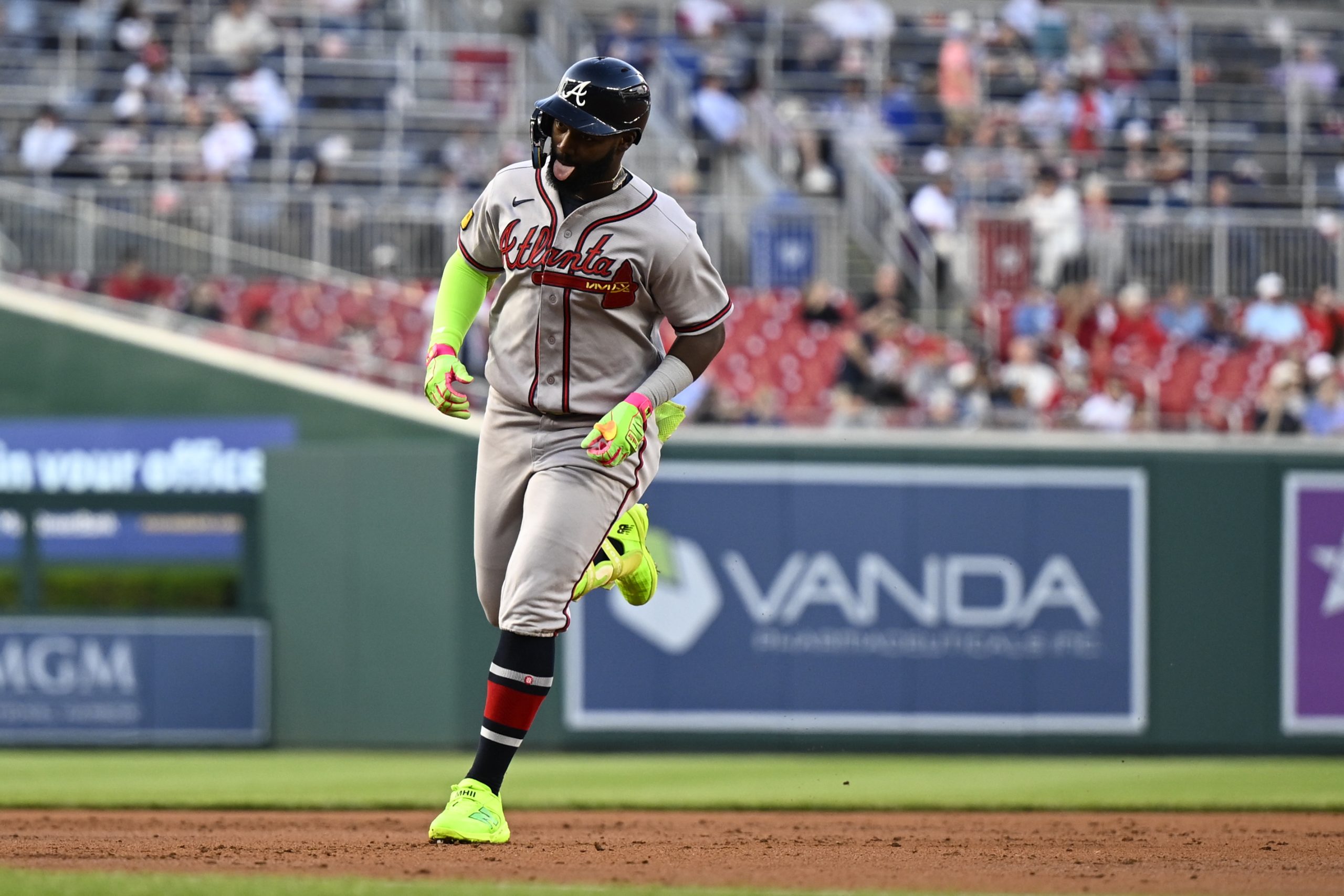
POLICY WIRE — Washington, D.C. — A collective hush, weighty as a summer storm, often descends upon a ballpark when a star player abruptly vanishes from the diamond, not for some celebratory substitution, but for the silent, somber march of a suspected malady. That’s precisely what transpired Wednesday when Atlanta Braves outfielder Michael Harris II, arguably one of baseball’s most incandescent young phenoms, was yanked mid-game against the Washington Nationals. Ouch.
His departure, initially shrouded in that all-too-familiar on-field mystery, unleashed a torrent of apprehension through the Braves dugout and among their ardent faithful. Was this going to be another gut punch? How long would he be out? Questions, sharp — and insistent, swirled relentlessly before any official word could assuage the collective dread. Didn’t anyone know yet?
Later, the team confirmed what many dreaded: left quad tightness. For a player whose game hinges upon explosive speed and agile defense — two pillars of his considerable prowess, frankly — any lower-body malady warrants more than just a passing glance. But, a sigh of relief almost audibly suffused the clubhouse as initial reports indicated the removal wasn’t anything dire, merely precautionary.
Still, the incident underscored the brittle reality, the razor-thin chasm separating peak performance from the dreaded injured list in professional sports. It’s a tightrope walk for these athletes. For teams like the Braves, perennial contenders boasting significant payrolls, the robust health of linchpins like Harris isn’t solely about winning games; it’s an undeniable, critical economic factor that keeps the whole intricate machinery humming.
Few players, frankly, possess the kind of instantaneous reverberation Harris has manifested since his debut, earning him a consequential contract extension early in his career. His combination of raw power — and blistering speed makes him a nonpareil offensive and defensive fulcrum. When such a player is even momentarily sidelined, the cascading consequences can be surprisingly broad, extending even to the intricate world of sports analytics and, wouldn’t you know it, global fan engagement.
Beyond the immediate downcast spirits for fans in Atlanta, the sheer fragility of top-tier athletes like Harris echoes throughout the burgeoning global sports economy. Consider the voracious appetite for American sports that’s growing even in regions like South Asia. Fans in Karachi or Dhaka, who might tune in via streaming services, aren’t just following a team; they’re investing emotionally in individual stars whose health directly influences their entertainment. That’s a lot of pressure, isn’t it?
And yet, Harris himself minimized the severity.
"It was a momentary jolt, a bit of tightness that snagged my focus," Harris shot back at reporters post-game, his usual swagger somewhat subdued but his optimism intact. "But I’m feeling good, really. I fully expect to be in the lineup Friday night. You know me, I want to be out there for my guys."
His manager, Brian Snitker, while acknowledging the player’s fervent desire, underscored the organizational caution that often holds sway.
"Any time you see one of your core guys pull up, your heart just drops," Snitker reportedly mused to the press after the game. "We preach caution, always. You can’t put a price on a player’s long-term health, not with what these guys mean to the team, the fans, and the sport itself."
That’s a sentiment reverberating across the league, as player welfare — the very foundation upon which multi-billion dollar franchises are built, after all — becomes a topic under an increasingly harsh microscope. According to a 2023 analysis by MLB.com, muscle strains, particularly hamstring and quadriceps injuries, account for over 25% of all player days lost to injury across the league, translating into tens of millions of dollars in sidelined talent annually. That’s a staggering figure, isn’t it?
The Braves, who’ve seen their fair share of high-profile injuries in recent seasons — including a similar scare with Ronald Acuña Jr. not long ago, which was just brutal — have become singularly adroit at navigating these situations. They grasp the strategic long game, even if it means sacrificing a single day’s performance for sustained availability. Wise, wouldn’t you say?
What This Means
The Michael Harris II incident, while seemingly minor, epitomizes a larger, ubiquitous quandary in professional athletics: balancing relentless competitive demands with the delicate human chassis. For the Atlanta Braves, it’s a litmus test of their depth and a validation of their conservative approach to player health, which hasn’t hurt their sustained success, has it?
Economically, every single day a star like Harris is sidelined signifies potential lost revenue, from ticket sales and merchandise to broadcasting viewership figures. Teams, particularly those in high-profile markets, are, in essence, stewarding multi-million-dollar assets whose performance is utterly predicated upon physical well-being. This compels front offices to invest heavily in sports science, advanced analytics, and recovery protocols, fundamentally elevating player care into a high-stakes strategic department. Pretty serious stuff.
the global reach of Major League Baseball means that such health scares aren’t merely local gossip; they reverberate through the sport’s international brand like a seismic event. When an athlete with Harris‘s marketability faces a health challenge, it ultimately dictates how the sport is perceived, especially in burgeoning markets where baseball fiercely vies for eyeballs with cricket and football. It’s a crowded marketplace, after all.
But, the narrative of player health also commingles with broader policy discussions around athlete protection and compensation, often sparking contentious parleys in players’ associations and league offices worldwide. It’s a salient reminder that even in the most individualized, gut-wrenching moments of athletic struggle, the implications are frequently collective and astonishingly far-reaching. Don’t underestimate it.
So, for now, Harris appears to have mercifully sidestepped a major bullet. His anticipated re-entry Friday against the formidable Philadelphia Phillies will undoubtedly be a balm for Braves faithful. But that brief, heart-stopping moment of anxiety — a mere flick of the injury switch — ultimately underscores a sobering truism: the inherent risks that come with the relentless pursuit of athletic greatness, and the meticulous, almost surgical care required to sustain it.
Related: Detroit’s Comeback Story: Tigers’ Walk-Off Victory Mirrors Citys Resurgent Spirit
The precarious equilibrium between peak performance and player longevity will undoubtedly continue to delineate modern professional sports, opined Dr. Anya Sharma, a renowned sports physiologist — and consultant for several international athletic organizations. "Teams that master this equilibrium, prioritizing recovery and preventative care without sacrificing competitive edge, are the ones that’ll truly thrive in the long run."