

Ecstasy and Echoes: Spurs’ Triumph Tarnished by Fan Tragedy
POLICY WIRE — San Antonio, USA — The cheers had barely subsided. Confetti, metaphorically speaking, still clung to the humid Texas air. San Antonio, draped in the euphoric afterglow of its Spurs...

POLICY WIRE — San Antonio, USA — The cheers had barely subsided. Confetti, metaphorically speaking, still clung to the humid Texas air. San Antonio, draped in the euphoric afterglow of its Spurs clinching an improbable NBA Western Conference Finals berth, suddenly found itself wrestling with a different kind of darkness—one far removed from the arc lights of victory.
It wasn’t the sting of defeat that dimmed the city’s celebration, but the brutal silence of a single, catastrophic accident. A 17-year-old Spurs supporter, name withheld out of respect for family privacy, now clings to life, the ultimate price paid for a moment of unchecked elation. The initial reports, disseminated through local channels, painted a grim picture: a fall from a moving vehicle, a head hitting pavement, a dream dissolved into a medical nightmare. It’s a sobering counterpoint, isn’t it, to the high-fives — and victory dances playing out across every screen?
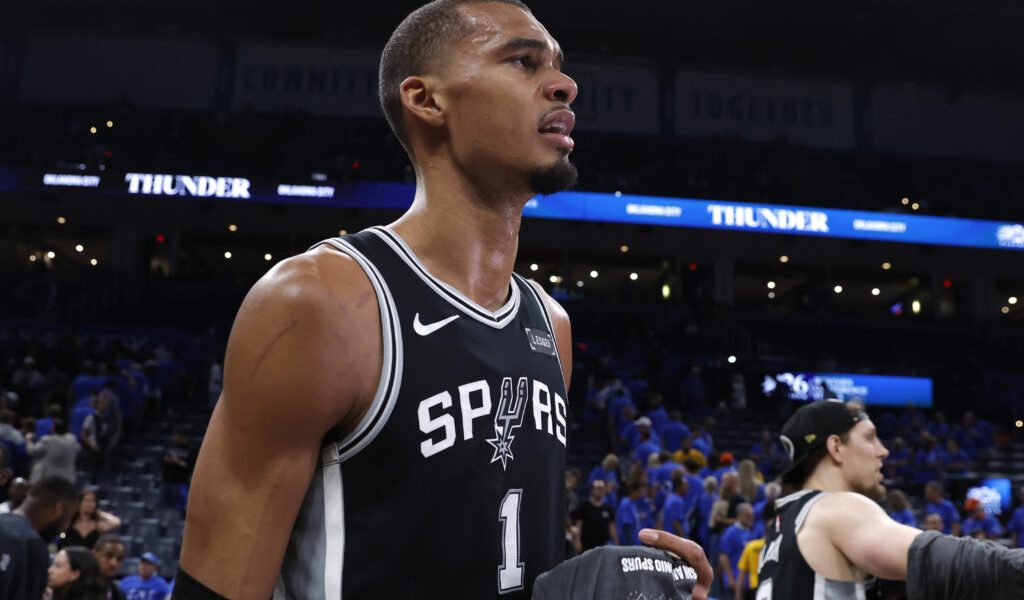
Because that night, as the Spurs clawed back against the Oklahoma City Thunder in Game 6—forcing a do-or-die Game 7 (which they’d later win)—the energy was, well, visceral. People spilled into streets. Cars honked. And for one young fan, caught in that thrilling swell, a misstep had agonizing consequences. Transported initially to a local emergency room, the teen’s condition—significant brain swelling, followed by life support—demanded a transfer to another facility. But even that wouldn’t stem the tide.
His aunt, Yvonne Hudson, articulated the family’s agonizing vigil to Fox San Antonio: “The doctors have been running tests to see if he has any further brain activity.” A police source, speaking to the San Antonio Express-News, later indicated what no family ever wants to hear: the young man was brain dead, survival not an expectation. They’d won a series, yes, but lost a life—or at least the prospect of one.
San Antonio Police Department officials, caught between expressing condolences and stern warnings, used the incident to try and rein in future exuberance. “This tragedy serves as a harsh reminder that collective celebrations, however passionate, demand individual responsibility,” stated SAPD Chief William P. Salazar in a subsequent public address. “We cherish our community’s spirit, but we won’t compromise on public safety. Every triumph carries its own unique perils if citizens ignore common-sense precautions. It’s on us, collectively, to make sure joy doesn’t become grief.” His words, devoid of grandstanding, simply cut to the core issue: the social contract between celebration and consequence.
But the raw data also paints a stark picture: The National Highway Traffic Safety Administration (NHTSA) reports that in 2021 alone, unsecured passengers riding outside passenger vehicles (e.g., in truck beds, or hanging out windows) accounted for nearly 300 fatalities and thousands of serious injuries nationwide. A single number, perhaps, but it reverberates through families, hospitals, — and emergency services budgets. This wasn’t some isolated, unforeseeable fluke; it was a predictable, if devastating, outcome of disregard for basic safety. The Spurs’ journey to face the New York Knicks in the 2026 NBA Finals—a genuinely exciting prospect for any fan—has been muted by this unspeakable sorrow.
What This Means
This incident isn’t merely a tragic footnote to a sports victory; it’s a stark examination of urban governance, public policy, and the unseen economic drains of unbridled public revelry. When cities like San Antonio—or indeed, mega-cities in the Muslim world, such as Karachi, where a cricket victory can spill millions onto streets with vastly different public safety infrastructures—witness spontaneous mass gatherings, they face a shared set of challenges: managing traffic, maintaining order, and, ultimately, ensuring citizens return home intact. For local politicians — and municipal authorities, this incident demands introspection. Is the message of safety effectively reaching everyone? Are law enforcement resources adequately allocated for spontaneous events, or is the focus primarily on planned parades?
Economically, such incidents carry direct — and indirect costs. Emergency medical services, extended hospital stays—sometimes for weeks or months in critical care—burden public health systems. There’s also the immeasurable human cost: lost productivity, family trauma, and the erosion of civic morale that can come from witnessing joy curdle into despair. And in the era of pervasive social media, the story—no matter how local—transcends borders, influencing global perceptions of a city’s ability to manage its public spaces. Just as London has grappled with its own unique strains during mass football celebrations, so too must San Antonio re-evaluate its approach. It’s not about stifling passion, no, but rather safeguarding the very community that fuels it. That’s the real policy challenge lurking behind the final buzzer.