

Morocco’s Quiet Heart: A Tightrope Walk Between Ancient Ways and Modern Demands
POLICY WIRE — Rabat, Morocco — You wouldn’t think the whisper of trade in a Saharan outpost, or the quiet resilience etched into the face of an Amazigh elder in the Atlas foothills, would carry...

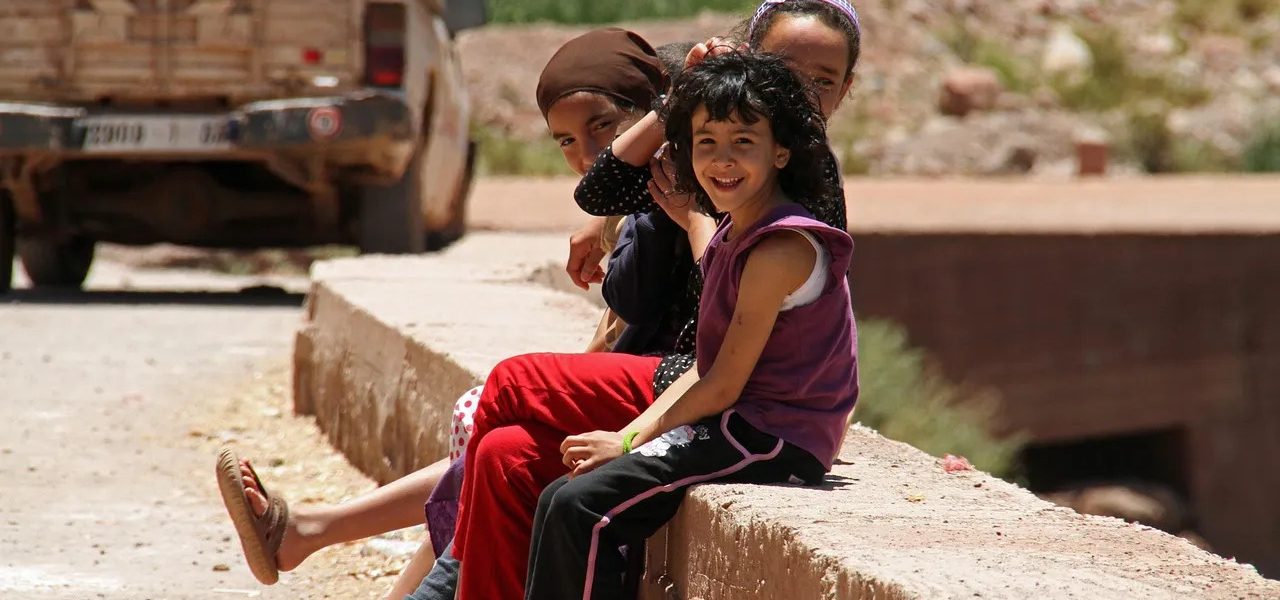
POLICY WIRE — Rabat, Morocco — You wouldn’t think the whisper of trade in a Saharan outpost, or the quiet resilience etched into the face of an Amazigh elder in the Atlas foothills, would carry much geopolitical weight. We often frame Morocco through its burgeoning tourism—the lavish Riads, the pulsating Jemaa el-Fna. But it’s in these remote pockets, far from Marrakech’s clamor or Casablanca’s financial towers, where the kingdom’s real pulse beats—a slow, steady thrum of tradition bumping against, and often deflecting, the relentless march of modernity and globalization.
It’s not just picturesque poverty, or some romanticized ideal; it’s an economic and social phenomenon quietly confounding development experts and central planners alike. These aren’t just backwaters; they’re the gritty foundation, the unyielding rock that props up much of Morocco’s cultural identity and, ironically, its sometimes fragile stability. Their isolation isn’t a weakness; it’s their armor, preserving ways of life that larger urban centers can’t even dream of holding onto.
But this isn’t simply a story of charming endurance. There’s a subtle push — and pull here, a constant negotiation for resources, recognition, and often, plain old survival. For generations, these communities have relied on local agriculture, artisanal crafts, and the age-old practice of trading—camel caravans evolving into dusty pickup trucks navigating treacherous paths. Their informal economies—those labyrinthine souks, those mountain goat herds—they contribute a significant, albeit untracked, chunk to the national GDP. We’re talking about an estimated 25-30% of the non-agricultural economy operating off-the-books, a financial shadow world crucial to the lives of countless families, according to Morocco’s Ministry of Planning’s 2021 unofficial sector analysis.
“These communities represent Morocco’s authentic soul,” proclaimed Omar Filali, Secretary-General for Regional Development, in a recent, somewhat staged, press conference. “We’re committed to bridging the gaps, bringing them into the 21st century while respecting their unique heritage. It’s a delicate dance, balancing progress with preservation.” But for many in these forgotten valleys, progress often looks suspiciously like urban encroachment, draining away their youth, not offering them a future.
The situation in these quiet corners draws fascinating parallels with certain regions in South Asia, particularly rural Pakistan, where tribal norms and traditional livelihoods also clash with centralized governance and global economic pressures. There, too, vast swathes of land remain outside the direct control of modern economic engines, maintaining a distinct cultural and social contract. These aren’t just geographically distant locales; they represent similar struggles for self-determination amidst state efforts to standardize and integrate. It’s a tough situation—you want your country to prosper, but at what cost to the existing societal fabric? It’s not an easy answer. We’ve seen similar tensions erupting when small-town grit meets geopolitical games, often with unforeseen consequences.
This enduring self-reliance means these areas can be tricky for outsiders to understand, let alone ‘develop.’ They aren’t asking for handouts, per se. They’re simply trying to live as they always have, yet the external world keeps intruding. Aid programs often fail because they don’t comprehend the deep-seated cultural nuances—the subtle, unwritten rules of community. The quiet folk aren’t against schools or clinics, but they won’t jettison generations of wisdom just because a city planner with a spreadsheet says so. They know what works for them. They’ve made it work for centuries, actually. They’ve seen empires rise — and fall, often from their unyielding, stony perches.
📄 POLICY WIRE WHITEPAPER PUBLISHED: PAKISTAN'S NATIONAL SECURITY POLICY PRIORITIES
👉 READ BY CLICKING HEREAnd because these remote areas function so independently, they often bypass official channels, creating a sort of ‘grey economy’ that’s both an asset and a liability for the state. It keeps people fed, clothed, — and productive, but it’s largely untaxed, unregulated. That’s a problem for governments trying to collect revenue — and exert control. But you can’t just slap a bureaucracy on centuries of organic development, can you? It wouldn’t fly.
“The challenge isn’t simply building roads or clinics, it’s about integration without assimilation,” observed Dr. Elena Petrova, an EU regional development attaché, during a recent, somewhat frank, exchange with our colleagues. “Morocco’s stability has long rested on its ability to manage these complex internal dynamics. You mess with that equilibrium at your peril. Look at what happens when centralized systems fail to accommodate local specificities across the Muslim world; it never ends well.”
These silent areas are more than just geographical quirks; they’re political barometers, subtle indicators of the broader health of the Moroccan state and its social contract. Ignore them, — and you might find the whispers grow into something far louder, far less accommodating.
What This Means
The continued resilience of Morocco’s remote mountain villages and desert souks points to a broader dilemma for states attempting modernization without alienating traditional power structures. Economically, these informal, resilient systems offer a safety net, absorbing shocks that might cripple a purely market-driven economy. But they also pose significant challenges to government revenue — and national unity. Politically, the state’s ability—or inability—to respectfully integrate these communities into the national framework speaks volumes about its long-term stability. Any abrupt attempt to force these self-sufficient entities into a rigid, top-down system could risk unraveling the social fabric. For regional stability, Morocco’s quiet accommodation of these diverse ways of life serves as a model—or perhaps a warning—for other Muslim-majority nations grappling with similar divides between urban aspirations and entrenched rural realities. The stakes are much higher than a mere tourism brochure suggests.