


Soft Power Shuffle: Miss France’s Exit Hints at Deeper European Crossroads
POLICY WIRE — Paris, France — For decades, the annual spectacle of Miss Universe, shimmering with sequins and saccharine smiles, offered a curious, if superficial, barometer of global ambition. But...

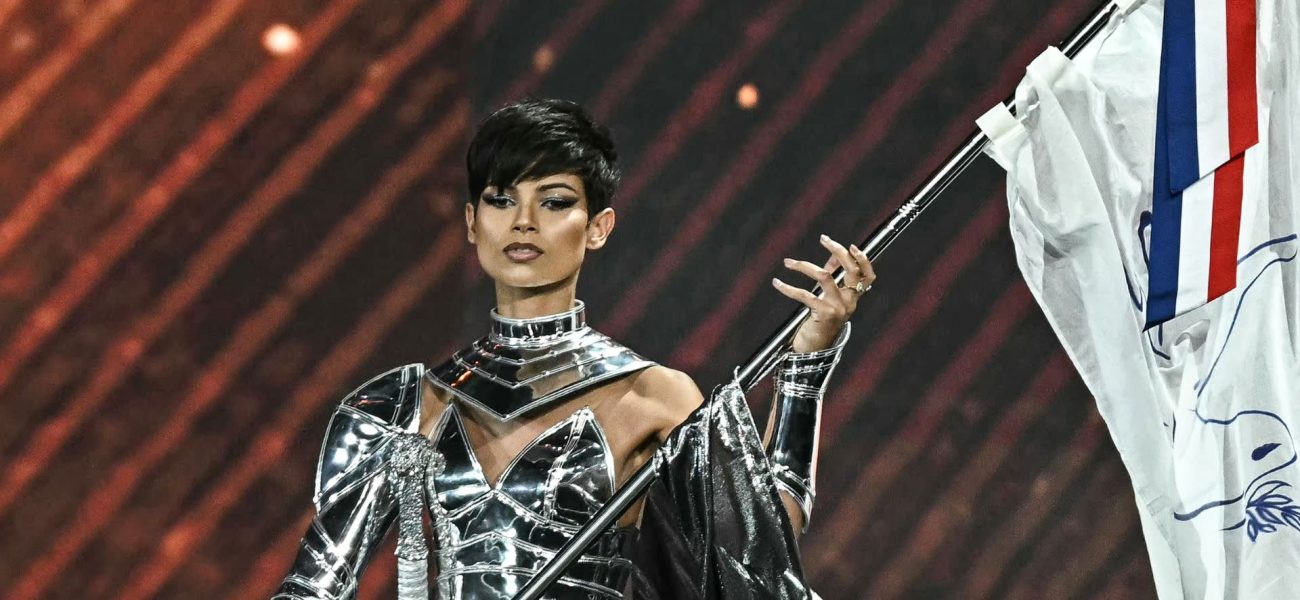
POLICY WIRE — Paris, France — For decades, the annual spectacle of Miss Universe, shimmering with sequins and saccharine smiles, offered a curious, if superficial, barometer of global ambition. But when a quiet communiqué confirmed Miss France’s departure from the glitzy fray after 73 years, it didn’t just mark the end of a long-standing tradition. It signaled something more profound: a subtle, yet unmistakable, shift in France’s own priorities, perhaps even its definition of influence.
No drumroll, no dramatic farewell — just an unceremonious step back from what was once an accepted pillar of national branding. It wasn’t always just about the sashes — and the crowns, you know. For countries like France, participation used to be a low-stakes exercise in cultural diplomacy, a chance to project an image of elegance and modernity onto a global stage. Think of it as a historical soft power play, often alongside more serious foreign policy endeavors. [QUOTE_PLACEHOLDER]
But times change, don’t they? And the value proposition of parading contestants in swimwear, asking them questions about world peace, has surely diminished in an era obsessed with digital metrics and tangible geopolitical gains. Some might say this move reflects a national identity grappling with evolving definitions of feminism, or simply the pragmatic realization that there are far more impactful, and cost-effective, ways to wave the French flag on the global circuit. It’s not just a beauty contest; it’s a symbolic anchor being pulled up.
And let’s be honest, France has bigger fish to fry. It’s wrestling with domestic issues, grappling with its role in a fractured Europe, and trying to recalibrate its influence in Africa and the Middle East. One wonders if anyone in the Élysée Palace actually noticed, or cared, beyond a passing chuckle about antiquated traditions. Because, in 2024, only 28% of French adults believe beauty pageants positively contribute to society, according to a recent Ifop poll. That’s a stark indicator that public opinion—and perhaps even official policy—has quietly moved on.
The decision might not directly affect French foreign policy concerning, say, Mali or Ukraine. Yet, every cultural withdrawal contributes to a narrative. It speaks volumes about what a nation deems important enough to invest its resources — and symbolic capital in. This isn’t just about French women not competing for a crown; it’s about what France believes represents it best to the world.
From the perspective of nations in South Asia or the Muslim world, such Western pageantry has always been a complex affair. Countries like Pakistan often navigate a delicate balance between preserving religious and cultural modesty and engaging with globalized media and cultural trends. While India boasts a storied history of success in international beauty competitions, showcasing a blend of tradition and modernity, other nations have either chosen not to participate or face internal debates about the cultural appropriateness. Pakistan’s own ‘high-wire act’ in regional diplomacy reflects this constant tension between global pressures and local sensitivities. Miss France’s exit, whether interpreted as a rejection of an anachronism or a re-prioritization, adds another data point to the global dialogue about cultural norms.
📄 POLICY WIRE WHITEPAPER PUBLISHED: PAKISTAN'S NATIONAL SECURITY POLICY PRIORITIES
👉 READ BY CLICKING HEREThis decision can be viewed as another crack in the once-unbreakable facade of Western cultural hegemony, a quiet re-evaluation of symbols that held immense sway during post-colonial eras. It’s not a dramatic severing of ties, just a fading of an old light. You see similar subtle shifts everywhere; look at how European leaders are rethinking engagements that were once assumed as natural or beneficial, questioning long-held allegiances and strategies in pursuit of more localized interests.
So, is this simply a bureaucratic adjustment, or something deeper? Perhaps it’s a recognition that, for France, true influence isn’t found on a runway. Maybe it’s found in technology, economic partnerships, or a concerted effort to address legacies of colonialism—topics that truly resonate in a world eager for substance, not just spectacle. And let’s not forget the financial implications; ditching a multi-year commitment probably saves some dough too, which in these economically tricky times, isn’t a small consideration. Because money talks, right?
What This Means
Miss France’s departure, while seemingly trivial on the surface, is a telling ripple in the waters of global soft power and cultural diplomacy. For France, it likely signals a strategic realignment, where resources and symbolic capital are increasingly concentrated on platforms deemed more consequential than beauty pageants for projecting national image and influence. This could include increased investment in scientific research, art and literature festivals, or diplomatic initiatives that tackle climate change or international security. It’s an unspoken declaration that the era of relying on antiquated, often Western-centric, symbols of national prowess is giving way to more pragmatic and economically focused approaches. Expect other nations to quietly re-evaluate similar engagements, weighing cost against the increasingly elusive and contested ‘glamour’ of such events. This pivot underscores a broader trend: nations are becoming more selective about their global cultural footprint, favoring targeted engagement over broad, generalized visibility. The move may also free up a sliver of diplomatic bandwidth, however small, for Paris to concentrate on more pressing matters both at home and abroad. It’s less about a direct policy shift and more about a strategic recalibration of national branding in a complex, multipolar world.