

Silent Streets, Electric Dreams: An African Nation’s Unlikely Leap Past the Combustion Engine
POLICY WIRE — Kigali, Rwanda — It’s not the thrum of diesel engines dominating the morning commute, or the distinct cough of old gasoline guzzlers struggling uphill. No, something else blankets...

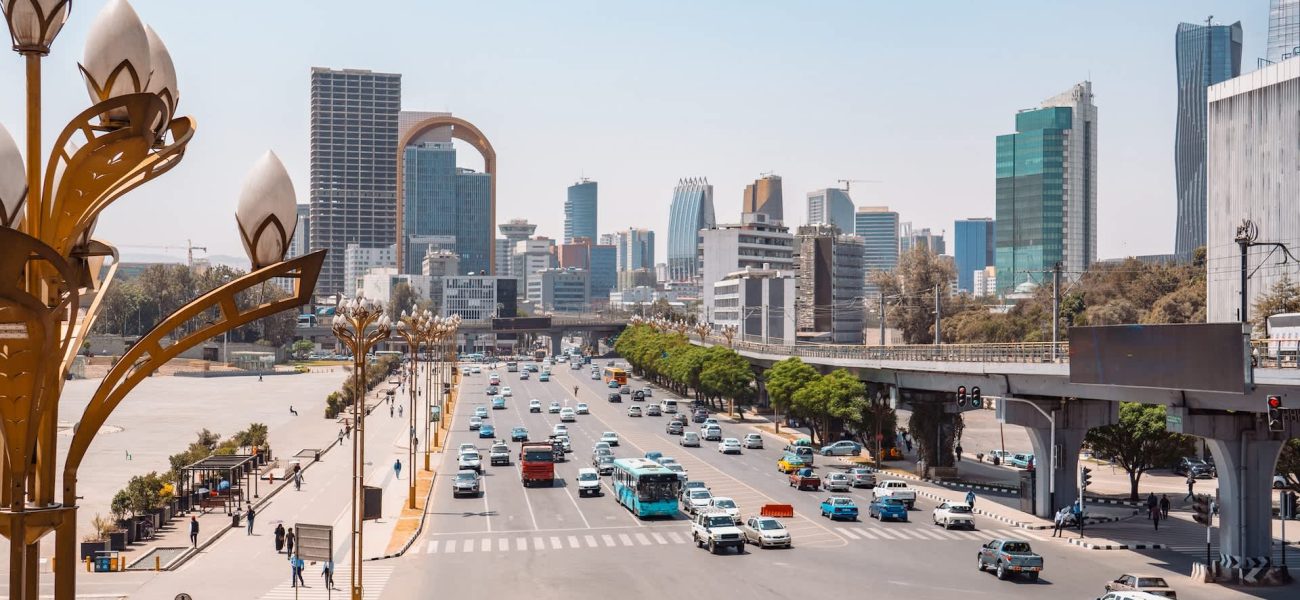
POLICY WIRE — Kigali, Rwanda — It’s not the thrum of diesel engines dominating the morning commute, or the distinct cough of old gasoline guzzlers struggling uphill. No, something else blankets Kigali’s increasingly disciplined roads now: a hum, almost a whisper, of electric motors. It’s a subtle shift, easily missed by the casual observer, but its impact? Profound. This small East African nation, often heralded for its post-genocide reconstruction, isn’t just rebuilding; it’s aggressively rewiring its transport future, bypassing the fossil fuel highway altogether. Talk about a clean break. But is it genius, or just a little bit crazy?
See, Rwanda took a pretty audacious step years back—it became the first country, globally, to formally ban the import of petrol and diesel-powered vehicles. Yeah, you read that right. Not a gradual phase-out. A ban. And the numbers, if you trust official tallies, are starting to tell a story: the country’s vehicle fleet now reportedly boasts over 100,000 electric vehicles (EVs). One hundred thousand. That’s a pretty chunky number for a nation of just 13 million, especially when many global giants are still fumbling with EV targets. It didn’t just happen, you know. It was forced, meticulously planned, and, frankly, an absolute logistical nightmare at times.
But the government isn’t backing down. And why would they? Dr. Jean-Baptiste Gatete, Rwanda’s pragmatic Minister of Infrastructure, isn’t shy about the strategy. “We weren’t interested in half-measures or prolonged debates,” he told Policy Wire in a recent briefing, his tone dry but firm. “The climate crisis isn’t waiting for gradual transitions. Our people, our environment, couldn’t wait. We simply decided to jump.” He sees it not as a risk, but as a long-term economic hedge—a way to avoid future volatility in global oil prices that routinely batter developing economies.
Because, let’s be honest, oil dependency? It’s an albatross around many an African neck. Fuel imports drain precious foreign exchange reserves, stifling other essential investments. While countries like Pakistan grapple with fluctuating fuel prices that often necessitate unpopular subsidies, Rwanda is effectively pulling itself out of that loop. And that’s a model many in the Global South might look to, despite the seemingly insurmountable initial capital outlay. It’s an interesting parallel, thinking about how nations like Pakistan have tried various incentives for EVs but never gone for the full, brutal ban.
Still, the transition hasn’t been a joyride. Charging infrastructure, for one, was practically nonexistent. Mechanics had to be retrained, import tariffs restructured, and a whole public information campaign launched to convince a populace still mostly driving combustion engines that electric wasn’t some futuristic fantasy, but here, now. It’s tough, establishing a completely new supply chain from scratch. A recent UN Environment Programme (UNEP) report released last year projected that EV adoption rates across sub-Saharan Africa, while growing, still languished below 5% of total new vehicle sales in 2023 for most nations—a stark contrast to Rwanda’s aggressive curve. They’ve defied the statistical norm.
“Rwanda’s commitment, while admirable, certainly challenges the conventional wisdom about paced technological transitions,” commented Dr. Amina N’gomba, a senior economist with the African Development Bank, speaking to Policy Wire from Abidjan. “It asks difficult questions about how other nations—from Egypt to Kenya to even the populous, infrastructure-hungry markets of Nigeria—might replicate such an aggressive pivot. Can they secure the investment? Will their grids hold up? These aren’t insignificant considerations, particularly in regions where basic electricity access remains a challenge.” Indeed, can you imagine this in Lahore? Or Dhaka? The sheer scale of the energy challenge.
📄 POLICY WIRE WHITEPAPER PUBLISHED: PAKISTAN'S NATIONAL SECURITY POLICY PRIORITIES
👉 READ BY CLICKING HEREIt’s clear this isn’t just about reducing carbon emissions—though that’s a happy byproduct. It’s about creating a modern, resilient economy less susceptible to global shocks. It’s about leveraging this clean-energy push to attract investment, create skilled jobs, and position Rwanda not just as a regional leader, but as a surprising, and rather stubborn, trailblazer on the world stage. They don’t mess around, these Rwandans. They really don’t.
What This Means
Rwanda’s gambit, banning internal combustion engine (ICE) vehicle imports and rapidly pushing electric, isn’t just an environmental statement; it’s a masterclass in strategic state capitalism and economic sovereignty. Politically, it elevates Kigali’s standing as a forward-thinking player on the global stage, positioning it as an environmental leader and a hub for green technology adoption. This could translate into increased foreign direct investment, especially from development funds and companies looking to pilot sustainable solutions in emerging markets.
Economically, the short-term pain—higher initial costs for consumers, the immense investment in charging infrastructure, and the retraining of a workforce—is offset by the promise of long-term gains. Reduced reliance on volatile global oil markets strengthens fiscal stability. But it’s also about a new kind of power: energy security. Countries like Pakistan and Bangladesh, deeply sensitive to oil price fluctuations, can glean lessons here, not necessarily in a direct ban (which might be politically unfeasible), but in the comprehensive, top-down approach to transitioning. However, the scalability of Rwanda’s model to larger, more diverse economies across Africa or South Asia is far from assured. Bigger countries with more diffuse populations and older infrastructure networks would face exponentially greater hurdles. It’s a vision, though. And sometimes, that’s where the best policy begins. Just a little spark. Or in this case, a powerful battery.