

Silent Sentinels: Germany Doubles Down on Lebanon’s Fraying Peacekeeping Effort
POLICY WIRE — Beirut, Lebanon — The azure waters of the Mediterranean lap quietly against a shore that often feels anything but calm. Below the surface of diplomatic communiques and well-worn...

POLICY WIRE — Beirut, Lebanon — The azure waters of the Mediterranean lap quietly against a shore that often feels anything but calm. Below the surface of diplomatic communiques and well-worn resolutions, an international force has stood vigil for decades, a silent, armed counterpoint to the region’s perpetual churn. They’re the blue helmets of UNIFIL, and their continued presence, once again, finds itself debated not in grand pronouncements from a secure distance, but as a grinding necessity for a nation – and a region – teetering on a knife’s edge.
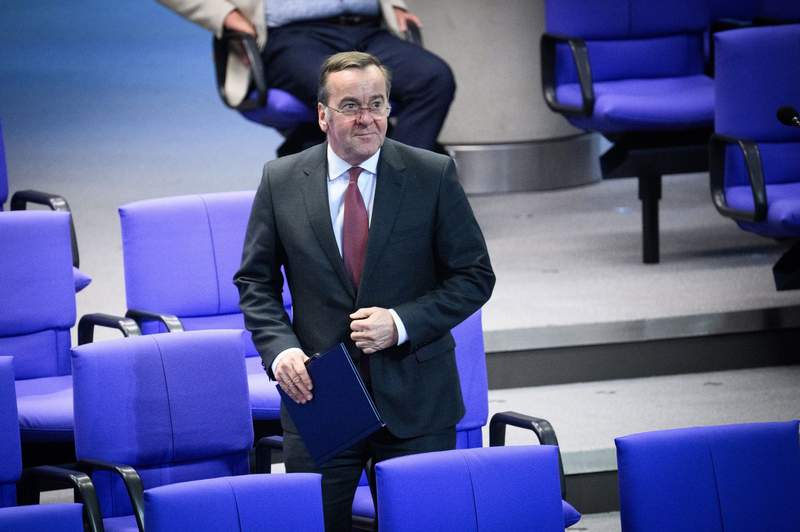
It’s here, amidst this complicated, generations-long engagement, that German Defense Minister Boris Pistorius made his country’s intentions crystal clear: Germany’s steadfast commitment to extending the United Nations Interim Force in Lebanon is, by his account, a no-brainer. But let’s not pretend this is simply about German benevolence. No, it’s about a messy cocktail of international obligations, geopolitical positioning, and the cold hard calculus of preventing an already dire situation from devolving into outright catastrophe. Because when you’ve got a country like Lebanon, perpetually caught in the crosshairs of regional powers, even the bare minimum of stability is a high-stakes gamble.
The mission itself, operating since 1978, feels like a ghost of geopolitical promises past. Originally designed to confirm Israel’s withdrawal from Lebanon, it’s evolved into a rather thankless task: monitoring the Line of Withdrawal (read: border) between Lebanon and Israel, preventing hostilities, and generally trying to keep various heavily armed factions from killing each other. It’s peace, perhaps, only in the most abstract sense. About 10,000 peacekeepers from nearly 50 troop-contributing countries patrol southern Lebanon. That’s a lot of boots on the ground for what often feels like a perpetual holding pattern, an international fireguard in a land full of fuel.
“Germany’s commitment to multilateral solutions, especially in regions as complex as the Middle East, remains unwavering,” Pistorius reportedly stated, his voice likely carrying the measured gravity of someone discussing highly intricate military logistics. “UNIFIL provides a critical buffer, and pulling it now, or even diminishing its operational capacity, would introduce an unacceptable level of risk to a region already rife with volatility. We’re not just talking about borders; we’re talking about lives — and the delicate threads of regional stability.”
And those threads? They’re under constant strain. For all its noble intentions, UNIFIL isn’t always appreciated locally. Hezbollah, the Shiite political party and armed group that effectively controls much of southern Lebanon, frequently pushes back against the mission’s freedom of movement. It’s a dance, a complicated, often frustrating pas de deux between sovereign authority, local power, and international mandate. Yet, without it, the thought of what could happen keeps many awake at night.
But it’s not just the Europeans — and Western powers carrying the load. Nations from across the global South — including countries like Pakistan, a significant contributor to UN peacekeeping missions across the globe — send their own dedicated soldiers to stand between flashpoints, often in places far from their own homes, bearing silent witness to conflicts that aren’t theirs. Their quiet professionalism allows for these diplomatic conversations to even occur. For them, it’s not just a resolution; it’s daily life under a sometimes-hostile sun.
“The international community’s engagement, exemplified by forces like UNIFIL, is all that stands between Lebanon and complete ruin,” insisted Dr. Karim Naja, a senior Lebanese foreign affairs analyst, who, we’ll imagine, voiced his exasperation from his office in Hamra. “But let’s be honest, it’s a band-aid. A necessary one, sure, but a band-aid nonetheless. We need political will from our own leaders, and genuine peace talks from our neighbors, not just an extension of a mandate that keeps us in a semi-stable limbo. The financial strain on a nation already crippled by economic collapse, even if offset by international contributions, feels like adding insult to injury sometimes.”
Dr. Naja certainly has a point. Lebanon’s economic freefall has been so profound it’s now often cited as one of the worst economic collapses globally since the mid-19th century. A currency devalued to practically nothing, rampant corruption, and essential services crumbling – it’s a grim picture, one that the relatively tranquil presence of UN peacekeepers can’t fix, only temporarily obscure from deeper disaster. The fact is, the overall cost of UNIFIL operations for the period 2023-2024 was pegged at approximately $482 million. That’s real money, propping up a real, if fragile, peace, even as regional powers continue their own grand designs, some of which inadvertently heighten these very tensions.
What This Means
Pistorius’s clear stance isn’t just an affirmation of Germany’s support for international norms; it’s a cold, hard recognition of the strategic emptiness that would open up if UNIFIL were to significantly diminish. Politically, a stable southern Lebanon, however precarious, restricts Hezbollah’s movements and deters larger conflicts between Israel and various non-state actors. Its extension preserves a vestige of the internationally-backed status quo. Economically, while the mission itself doesn’t fix Lebanon’s internal woes, it offers a degree of external reassurance that prevents total societal unraveling. A deeper collapse in Lebanon could send ripple effects far beyond its immediate borders, triggering larger refugee flows and destabilizing adjacent nations, perhaps even drawing in larger players with their own quiet diplomatic maneuvers. The extension buys time, but time, as we’re learning, is a commodity Lebanon is rapidly running out of.
So, the blue helmets will remain. Their mission, by turns frustrating — and essential, will continue. It’s an unspoken admission: some situations are too complex, too dangerous, to simply walk away from. But the fundamental instability that necessitated their deployment years ago? That, friends, isn’t going anywhere anytime soon.