

NCAA Faces Stark Challenge as Texas Tech Blasts Rules Over Addiction Case
POLICY WIRE — Lubbock, USA — The seemingly straightforward black-and-white rulebook of collegiate athletics is often rendered murky by the inconveniently messy realities of human frailty. Take...

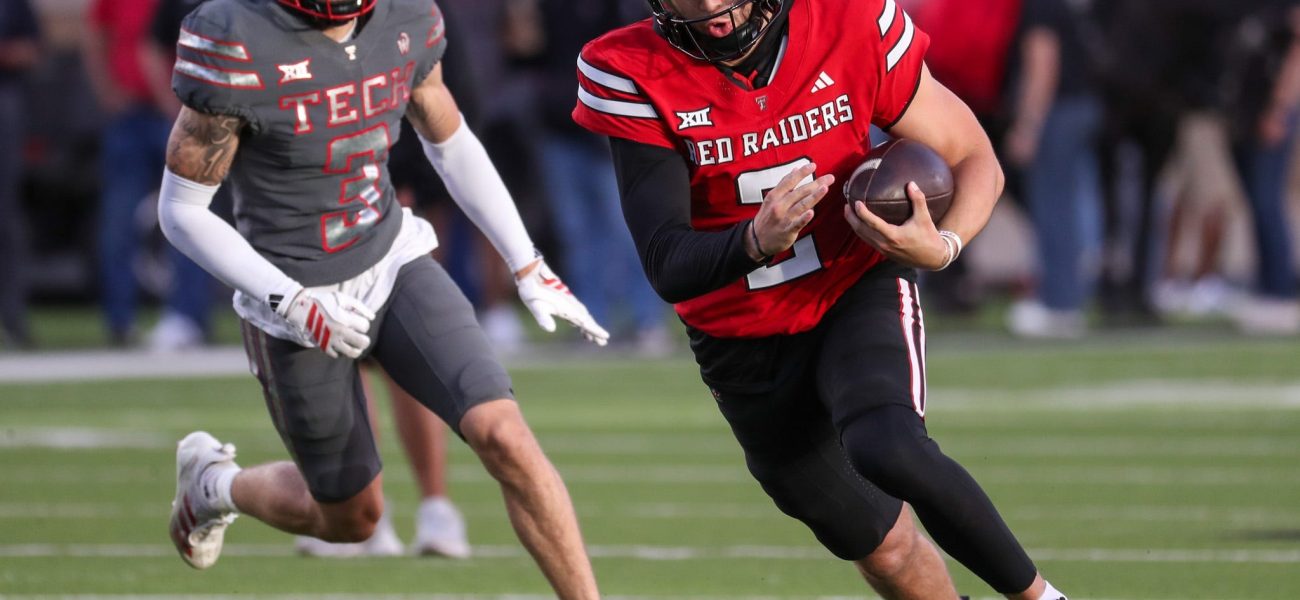
POLICY WIRE — Lubbock, USA — The seemingly straightforward black-and-white rulebook of collegiate athletics is often rendered murky by the inconveniently messy realities of human frailty. Take Brendan Sorsby, a quarterback whose potential future on the gridiron now hinges less on his athletic prowess and more on a very public battle with gambling addiction. Texas Tech University isn’t just quietly submitting appeals; they’re unleashing their president, Lawrence Schovanec, in a blistering challenge to the National Collegiate Athletic Association’s (NCAA) rigid enforcement, demanding the body square its tough stance against its loudly proclaimed commitment to student-athlete well-being.
It’s a peculiar spectacle, really: an institution of higher learning championing an athlete, not just for talent, but for his vulnerability. And his acknowledged struggle. President Schovanec’s missive to the entire Red Raiders community this past Tuesday, May 26, pulls no punches. The university isn’t simply welcoming Sorsby back to campus—they’re doing so after he completed an inpatient recovery period for a diagnosed gambling addiction. The NCAA, ever stoic, can’t speak on the specifics, naturally. [QUOTE_PLACEHOLDER]
But the story, as so often happens, has its layers. Sorsby faces a court appearance on Monday, June 1, as he seeks injunctive relief against the collegiate sports Goliath. He’s been under investigation for alleged widespread wagers—bets on other sports, and perhaps more troubling, on Indiana while he was a team member there. Those are the facts, plain — and unadorned. They aren’t pretty. But Texas Tech believes context is everything here.
In his letter, Schovanec stated, word for word, "Last week, Brendan Sorsby completed an intensive inpatient treatment program for a diagnosed gambling addiction and anxiety disorder – a meaningful step forward in what will be a long recovery." It wasn’t some whisper in a closed-door meeting. He added, with a clear challenge, "This week, we will welcome Brendan back on campus. We share this update because transparency with our community is not optional; it’s foundational to who we’re." That’s an implied jab, perhaps, at institutions less inclined toward open admissions about difficult issues.
The university isn’t backing down. They’re standing by the man. "We want to be clear with you about what we believe, — and why. Brendan himself has been open about his struggle with severe gambling addiction, and we believe his vulnerability deserves to be met with the full weight of this institution’s support. Our foremost priority in contemplating Brendan’s future with Texas Tech is his continued health and wellbeing," the President emphasized. Texas Tech has a plan. They’ve crafted something "comprehensive, thoughtful, and built to sustain his long-term recovery at Texas Tech and beyond" by working alongside Sorsby’s treatment team. This isn’t a quick fix. They’re suggesting this problem is far bigger than one athlete, one season.
The NCAA, meanwhile, has always defaulted to the rigidity of its rules. Before Sorsby sought injunctive relief, the Association reiterated its unambiguous stance on eligibility for athletes caught betting on their own team or sport. As one spokesperson put it back on May 18, "The NCAA generally doesn’t comment on pending reinstatement requests, but the Association’s sports betting rules are clear, as are the reinstatement conditions." Clear rules, yes. But sometimes, life isn’t so neat.
The NCAA’s rhetoric doubles down on game integrity: "When it comes to betting on one’s own team, these rules must be enforced in every case for the simple reason that the integrity of the game is at risk. Every sports league has these protections in place, and the NCAA will continue to apply them equally because every student-athlete competing deserves to know they’re playing a fair game." The consequence, as detailed by the NCAA, is quite severe: "Betting on own individual performance or own team:permanent loss of eligibility." And just in case you missed it, if you bet on another team at your school, it’s a year of ineligibility and a lost year of competition.
📄 POLICY WIRE WHITEPAPER PUBLISHED: PAKISTAN'S NATIONAL SECURITY POLICY PRIORITIES
👉 READ BY CLICKING HEREBut how does "permanent loss of eligibility" square with fostering "lifelong well-being," a stated mission of the NCAA? Or a "culture of care" for mental health? That’s where the Red Raiders see the seam. Gambling addiction, remember, is a clinically recognized behavioral disorder, according to the DSM-5. The NCAA’s own Chief Medical Officer has called for a "harm reduction approach" in dealing with problem gambling, suggesting athletes should be able to "seek support without fear of impacting their eligibility." Texas Tech is holding a mirror up, asking the NCAA if its rules are helping, or hurting.
This isn’t an isolated American issue. The global proliferation of sports betting, particularly online, has pushed these conversations into every corner. Nations like Pakistan, where gambling is broadly prohibited under religious and legal strictures, still grapple with illicit betting rings and the pervasive reach of digital platforms. The societal and economic pressures driving individuals, particularly young men, into addictive behaviors aren’t geographically bound. These challenges — how institutions respond to widespread societal problems intersecting with individual human crises — have very similar characteristics whether we’re talking about collegiate football in Texas or underground cricket betting in Lahore.
Indeed, a 2022 survey from the NCAA itself indicated a rather startling fact: 58% of male student-athletes acknowledged engaging in sports wagering activities, with 15% having placed bets on their own institution’s sports. The problem isn’t minor; it’s systemic. The NCAA’s rulebook feels archaic, even counterproductive, in the face of such widespread engagement, not to mention a diagnosed addiction.
Texas Tech is not giving up. President Schovanec’s communication is clear: "Over the past month, we have given careful and deliberate thought to what’s right – not only for Brendan’s recovery, but for his future as a student-athlete and a member of this community." They plan to appeal. It’s an ideological battle, truly. Can a giant bureaucracy adapt its immutable principles for the betterment of an individual, especially when its own internal experts preach compassion? We’re about to find out, aren’t we? It’s not just about football. It’s about people. And policies.
What This Means
This case, while centered on an athlete’s eligibility, reveals a much larger, frankly uncomfortable, conflict within major institutions. The NCAA, an entity grappling with evolving notions of amateurism, athlete compensation, and — as the opioid crisis demonstrated nationally — mental and behavioral health, finds its legalistic framework clashing with its stated ethical obligations. Economically, the explosion of legal sports betting in the U.S. has poured billions into state coffers — and sports leagues. But it’s also created a new class of public health issues. How organizations like the NCAA respond to problem gambling among its athletes sets a critical precedent, not just for American collegiate sports, but globally. Are sports bodies willing to sacrifice individual rehabilitation on the altar of perceived integrity? Or can they innovate, as Texas Tech suggests, proving their care is more than just palatable public relations? If the NCAA stands firm, it reinforces a perception of inflexibility and, frankly, hypocrisy when juxtaposed against its stated goals of student-athlete welfare. But should it concede, it faces questions about undermining its ‘clear rules’ at a time when sports betting is an open frontier. There’s big money on the line here. And, some would argue, even bigger moral stakes.