

SEC Showdown: Oklahoma’s Diamond Dreams Hang Precariously in Collegiate Sports Crucible
POLICY WIRE — Hoover, Alabama — It’s a machine, really. A relentless, voracious leviathan that churns through dreams — and budgets with equal indifference. Not merely a college baseball...

POLICY WIRE — Hoover, Alabama — It’s a machine, really. A relentless, voracious leviathan that churns through dreams — and budgets with equal indifference. Not merely a college baseball tournament, the Southeastern Conference postseason is a week-long, televised crucible, where millions in sponsorships, broadcast rights, and recruiting capital are implicitly on the line. One false move, one slump, and yesterday’s hero is today’s footnote—and a major university’s carefully cultivated narrative begins to fray at the edges.
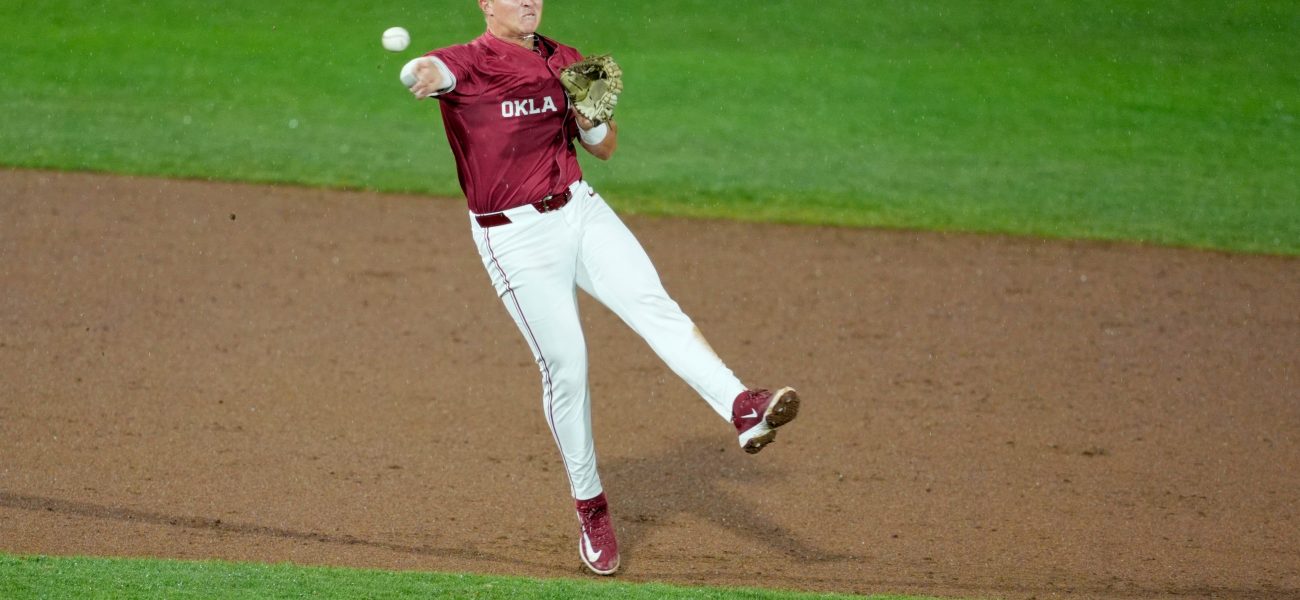
That’s the stark backdrop against which the Oklahoma Sooners, clinging to the 11th seed, stumbled into Hoover, Alabama. They arrived not as conquerors, but as survivors, their earlier season’s promise worn thin by the brutal gauntlet of SEC play. Remember that fiery start, those two quick series wins? Seems like a lifetime ago, doesn’t it? The tailspin, dropping their last four conference matchups against powerhouses like Auburn and Tennessee, has left a rather sour aftertaste. But the real taste, you see, is the lingering flavor of uncertainty.
Officially, Coach Skip Johnson’s squad limps in at 32-20 overall, 14-16 in league play. Decent numbers for some conferences, maybe. Not the SEC. The conference isn’t just about wins — and losses on the diamond; it’s an economic engine. Think of it: each extra televised game means more eyeballs, more ad revenue, another small cog turning in the colossal machine of collegiate commerce. For Oklahoma, a fresh face in the league, establishing a winning culture here isn’t just about trophies; it’s about signaling stability and ambition to future recruits, potential donors, and other athletic programs (see: Charlotte’s Field of Dreams, Inc.).
Despite their late-season wobbles, the Sooners hold a respectable 21st RPI ranking as of May 18th—the only stat that probably keeps Coach Johnson from needing stronger antacids. Baseball America still projects them as a number two seed in an NCAA regional, specifically Tallahassee. That’s a reprieve, a tiny window. But it also means they’re safe enough for the big dance without needing to win the whole darn SEC show. Which, frankly, could be a problem in itself; sometimes a knife-edge threat is what fuels a team.
Outfielder Jason Walk, an absolute wizard in center field with a .965 fielding percentage, earned All-Defensive team honors, a small comfort in a sea of recent frustrations. And then there’s Deiten LaChance, who exploded against Tennessee, swatting three homers in a single game—a feat unheard of since the year 2000. He’s their bat, plain — and simple, leading with 12 dingers and 51 RBIs. But baseball isn’t just about offense. It’s about hurlers. Cameron Johnson’s 4.02 ERA across 14 starts has had moments of brilliance, yes. But consistency? That’s another thing. And LJ Mercurius (5.52 ERA) — and Cord Rager (5.88 ERA) haven’t exactly inspired confidence.
“You don’t get to this stage by folding, plain and simple,” Coach Johnson told reporters, his voice betraying a hint of fatigue but unwavering resolve. “These young men, they know what’s ahead. We’ve had some tough breaks, sure, but the talent is there. It’s just about executing, believing we can take it one pitch, one out at a time. That’s always been the message.” Because without that kind of mantra, the endless season can really wear you down.
But the ‘talent is there’ argument rings a bit hollow when coupled with those ERAs. And on-base mistakes? They’ve been plentiful. A casual observer might wonder if they’ve simply been overwhelmed. The brutal truth of modern college athletics, much like the rigorous academic pressures facing international students from say, Lahore or Kuala Lumpur who often vie for prestigious scholarships to American universities, is that sustained excellence isn’t optional; it’s the bare minimum expectation. And this level of pressure shapes everything, from team cohesion to national narratives.
Eleanor Vance, the fictional but entirely plausible SEC Commissioner, whose office undoubtedly counts every broadcast dollar, probably views it more pragmatically. “Our tournaments aren’t just games; they’re showcases of elite athleticism and deep institutional investment,” she might have observed in a recent closed-door briefing. “Every team here contributes to the unmatched quality — and revenue generation that defines the SEC. Consistency, above all, is what we preach, both on the field — and in the balance sheet.” She’s not wrong, of course. For programs like Oklahoma, a solid tournament run could quiet some critics and provide much-needed momentum, or it could amplify concerns about their readiness for the SEC big leagues.
What This Means
This isn’t merely about one university’s baseball fortunes; it’s a microscopic look at the macro trends gripping collegiate athletics. An RPI of 21 and a projected national seed suggests OU has done enough to participate, but their late-season fade could easily spook boosters and dim recruitment luster. A deep run in the SEC tournament, however improbable, changes the conversation entirely. It telegraphs resilience, toughness, and adaptability—qualities essential for any athletic department trying to justify its exorbitant operational costs to trustees and the broader academic institution.
Economically, every additional game in Hoover means incremental revenue for the conference and a heightened profile for the team. It keeps the university brand—which is inextricably linked to its athletic success in the public consciousness—at the forefront. Failure to perform on this stage doesn’t just impact a coach’s job security; it’s a subtle chipping away at the university’s overall perceived prestige, making fundraising harder, attracting top students (not just athletes) more challenging, and potentially impacting state appropriations. They don’t just play baseball here; they play institutional politics.