

Maple Leaf Ascendancy: Canadian MVPs Signal New Global Powerhouse in NBA
POLICY WIRE — Toronto, Canada — The echoes of applause had barely faded when the reality hit: for a sport long considered America’s quintessential export, the National Basketball Association’s...

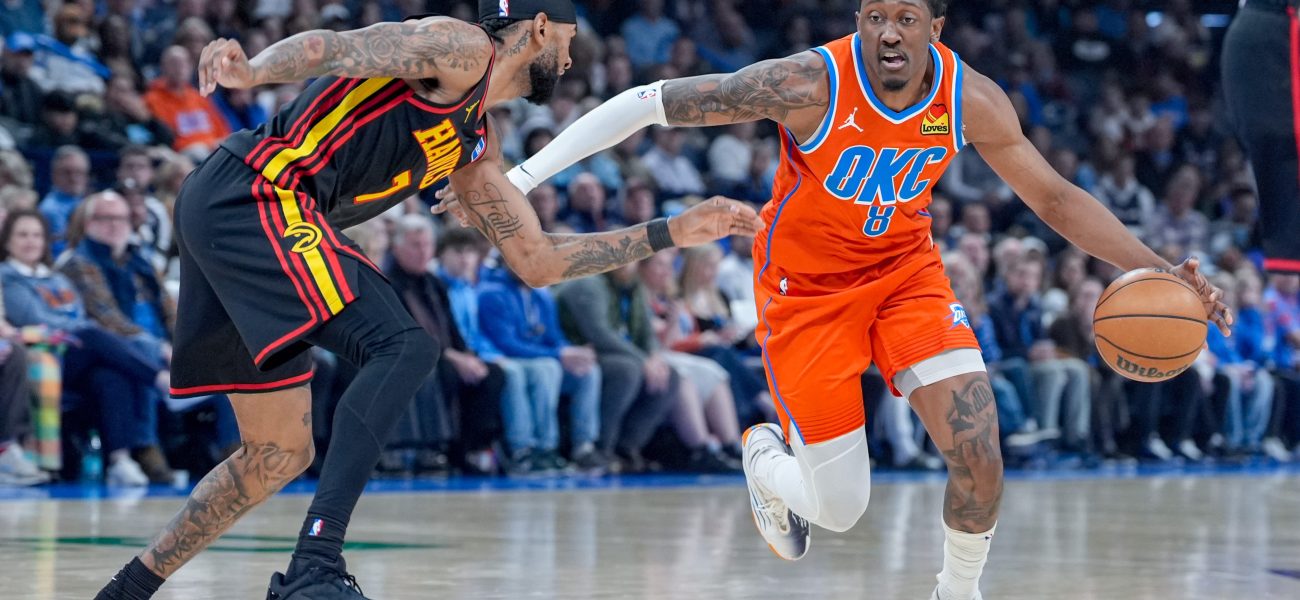
POLICY WIRE — Toronto, Canada — The echoes of applause had barely faded when the reality hit: for a sport long considered America’s quintessential export, the National Basketball Association’s highest individual honor is increasingly finding its home north of the border, or beyond an ocean. This year, it was Shai Gilgeous-Alexander, the dynamic guard from Canada, taking home his second consecutive MVP trophy, with none other than compatriot and two-time MVP Steve Nash — born in South Africa but Canadian from childhood — handing him the hardware. It wasn’t just a passing of the torch; it was a firm grasp on a geopolitical shift in elite sports, broadcast live for all the world to see.
It’s been twenty years since Nash himself, then with the Phoenix Suns, notched back-to-back MVP campaigns in 2005 and 2006. Fast forward to today, — and another guard from Canada’s icy reaches is doing the double-dip. “It’s surreal, honestly,” Nash mused in a post-ceremony chat with reporters, his voice tinged with pride and a knowing smile. “Look, when I played, guys like Shai were an anomaly. Now, they’re the standard. It’s a seismic shift, — and honestly, it’s just damn good basketball.”
Gilgeous-Alexander’s rise isn’t merely a feel-good story about mentorship, though that’s certainly a part of it. Nash, according to SGA, spotted his potential early, back when the current Thunder star was a raw teenager playing for Canada’s national team. “He told me I was going to the NBA,” Gilgeous-Alexander recalled on Sunday night. “Hearing that from a two-time MVP? Man, that’s rocket fuel for a kid’s confidence.” And fuel it did. Now, at just 28 (come July, he’ll hit that milestone), Gilgeous-Alexander boasts more top-five MVP finishes than Nash and has already outpaced his mentor in the championship department. Yes, you read that right.
But the story isn’t just about Canada. Oh no. It’s about a bigger world. Indeed, statistical tracking reveals that the last American-born player to crack the top three in MVP voting was Stephen Curry, back in 2021. For the current MVP race, Gilgeous-Alexander (Canada), Nikola Jokic (Serbia), and Victor Wembanyama (France) occupied the top spots. Look at the last several years: Embiid (Cameroon), Giannis Antetokounmpo (Greece), Luka Doncic (Slovenia). The roster reads like a UN delegates’ roll call. It really makes you wonder if we’re watching a globalized league where origin matters less than talent, wherever it spawns.
The Minister of Sport, Pascale St-Onge, hailed the achievement, remarking, “Our investment in grassroots basketball isn’t just for recreation; it’s cultivating global ambassadors. Shai’s ascent demonstrates a national commitment to excellence that reverberates far beyond the court. It reflects Canadian ingenuity.” Such success generates soft power, don’t you think? Countries once sidelined in the basketball narrative now command the global stage. Even regions with established sporting cultures, like South Asia, where cricket often eclipses all, are starting to see modest but noticeable interest in basketball. India — and Pakistan, with their vast youth populations, represent potentially colossal untapped markets. The NBA’s growing international presence – particularly through stars not from the US – only amplifies that. When you see someone from a ‘non-traditional’ hoops nation succeed, it opens up a world of possibilities for a young talent in Lahore or Mumbai. It does.
SGA isn’t alone in this Canadian invasion. His cousin, Nickeil Alexander-Walker, was named Most Improved Player this season—a neat family narrative, wouldn’t you say? Nickeil describes Shai as “very, very competitive,” even as a kid, yet possessed of an “amazing sense of emotional control.” Perhaps that’s the Canadian secret, that controlled intensity. Whatever it’s, it’s working. These players aren’t just winning trophies; they’re fundamentally shifting perceptions and proving that elite basketball isn’t solely a product of America’s inner cities and sunshine states. The economic imperative of youth in sports often drives these global talents. They’re hungry.
And because the NBA is, at its heart, a business, this global tilt makes perfect sense. Expand the talent pool, expand the fan base. Expand the viewership, expand the revenue. It’s a formula that even a country as diverse — and culturally rich as Pakistan might one day leverage. What these players are doing? They’re paving a pathway for countless others, showcasing the potential for greatness, irrespective of birthplace. It’s a truly worldwide game now.
What This Means
This evolving landscape isn’t just sports chatter; it’s got policy implications stretching from sports diplomacy to economic strategy. For Canada, having its citizens consistently dominate a major global sport elevates its international profile, offering a non-political platform for global recognition. It could boost youth engagement in sports, potentially driving public health initiatives — and national pride. From an economic perspective, Canadian players succeeding on the NBA stage creates immediate market value – merchandise sales, sponsorships, increased tourism related to national sports heroes. for the NBA itself, this international surge strengthens its argument for being a truly global league, capable of attracting and developing top talent from every continent. This global reach means more international broadcasting deals, greater brand penetration in burgeoning markets, and enhanced soft power influence, which is where nations like Pakistan, though primarily focused on other sports, could eventually fit in. A growing talent pipeline from diverse countries challenges the traditional domestic player development models and compels national sports bodies worldwide to invest more aggressively in basketball infrastructure, potentially reshaping global sports ecosystems.