


Shadow Games at Sea: UAE Seizure Uncovers Gulf’s Lethal Secret
POLICY WIRE — WASHINGTON, D.C. — The Gulf has always been a chessboard, a place where geopolitical pawns shift with the tides, but sometimes, a quiet move betrays a much larger, more menacing game. A...

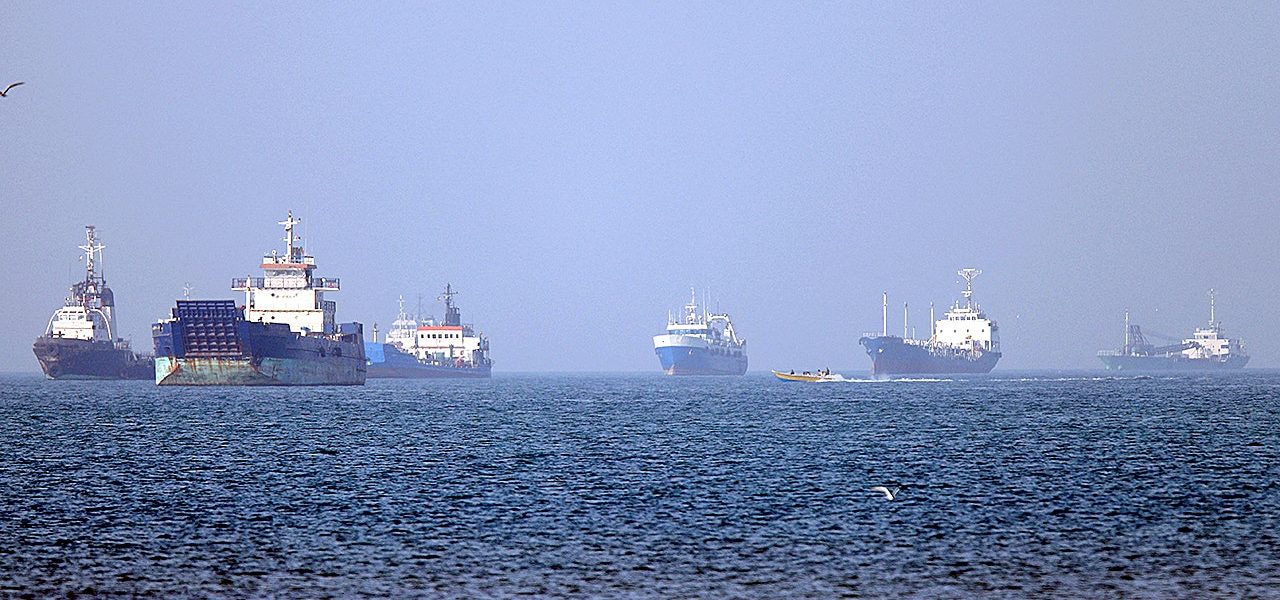
POLICY WIRE — WASHINGTON, D.C. — The Gulf has always been a chessboard, a place where geopolitical pawns shift with the tides, but sometimes, a quiet move betrays a much larger, more menacing game. A recent vessel seizure off the United Arab Emirates’ coast, whispers of a so-called ‘floating armory’ clinging to it like barnacles, didn’t just snag a ship; it pulled back the curtain on the barely contained chaos perpetually simmering near the world’s most critical oil chokepoint, the Strait of Hormuz.
It’s an operational hiccup, perhaps—a blip in the ceaseless cat-and-mouse played out by various actors vying for leverage in a region drenched in petrodollars and old animosities. But the implication of a vessel purpose-built or converted to carry a deadly stash, a ready supply of firepower to waiting combatants or insurgents, changes the texture of maritime security discussions. It’s not just contraband; it’s an invitation to escalating conflict. These aren’t just goods on a manifest; they’re tools of destruction, potentially ready for rapid deployment in a region already twitchy with tension.
And because the details remain frustratingly sparse, it’s easier to imagine the worst. Officials aren’t exactly shouting from the rooftops about specifics, leaving room for analysts and regional observers to connect dots on illicit supply chains and proxy wars that extend well beyond the immediate incident. There’s a certain grim predictability to it, frankly.
“Maritime security in the Gulf isn’t just a buzzword; it’s our frontline against destabilization,” commented one senior Emirati defense official, speaking anonymously due to the ongoing investigation. “We won’t stand by while our waters become thoroughfares for those seeking to ignite conflict or undermine regional stability. These interdictions? They’re preventative medicine.” But even preventative medicine doesn’t stop the virus from evolving, does it?
The potential for a ‘floating armory’ speaks to a more sophisticated, possibly state-backed, method of arms proliferation. We’re not talking about a couple of smuggled rifles anymore; this is about equipping factions—or worse, pirates and militant groups—with enough matériel to turn local skirmishes into something much nastier. It’s a strategy that provides deniability to those orchestrating it, while effectively putting munitions directly where they might be needed—or simply wanted—most.
The economic stakes here? Colossal. Around one-fifth of the world’s total oil consumption passes through the Strait of Hormuz daily, according to the U.S. Energy Information Administration (EIA). Any significant disruption, any genuine threat to commercial shipping, could send global oil prices spiraling—not to mention rattling financial markets worldwide. That’s why these shadowy exploits carry such heavy, tangible consequences, echoing from distant trading floors to the household budgets of everyday citizens.
📄 POLICY WIRE WHITEPAPER PUBLISHED: PAKISTAN'S NATIONAL SECURITY POLICY PRIORITIES
👉 READ BY CLICKING HEREDr. Tariq Ahmed, a prominent security analyst with strong ties to Islamabad, noted the far-reaching implications. “This isn’t an isolated incident, it’s a symptom,” he observed. “The networks involved in these types of illicit transfers—arms, drugs, even humans—they’re complex, transnational, and often deeply entrenched in the financial systems of several nations, including our own. The destabilization in the Gulf doesn’t stay in the Gulf; it ripples outwards, impacting security from Karachi to Cairo, challenging conventional notions of power projection across Asia.” Pakistan, a Muslim-majority nation with a deep strategic interest in the stability of the Persian Gulf (its economic and energy lifelines run through it), observes these developments with a keen, if often unspoken, apprehension.
What This Means
This incident, murky as it’s, speaks volumes about the current state of play. First, it demonstrates an audaciousness on the part of the actors involved. They’re willing to take calculated risks to move serious firepower into what are already considered high-risk maritime zones. Second, it highlights the incessant cat-and-mouse game being waged by navies and coast guards against an evolving threat landscape. They’re constantly adapting to new smuggling techniques, new forms of deniability.
But there’s also the subtle diplomatic dance here. No one wants to openly accuse without ironclad proof—that just sparks diplomatic spats, doesn’t it? So, seizures happen, investigations launch, and everyone waits for the fallout, measuring reactions like mercury in a shaky barometer. The economic fallout, if commercial shipping feels genuinely threatened, would be immediate. Insurance premiums skyrocket; supply chains stutter. Politically, it grants greater legitimacy to naval presences in the region and provides ammunition for those advocating stricter international oversight on maritime activities. It’s an inconvenient truth, perhaps, that for some, chaos on the seas offers strategic advantages. And that’s a thought that ought to make anyone nervous.
The Strait of Hormuz remains, as always, a pressure point. And every discovery like this—every rumored floating arsenal—just adds another notch to the tension. It’s an unspoken declaration: the hidden wars are still very much active, and they’re playing out on the water, sometimes in plain sight, but always with opaque motives. It’s a messy business, this strategic maneuvering. A truly messy business, with very real dangers.