


Scrappy Victory, Deeper Echoes: Athletics’ Narrow Escape Reflects Broader Policy Tightropes
POLICY WIRE — ARLINGTON, Texas — It wasn’t the meticulously engineered triumph of a well-oiled machine, nor the decisive policy win predicted by statistical models. Instead, what unfolded in...

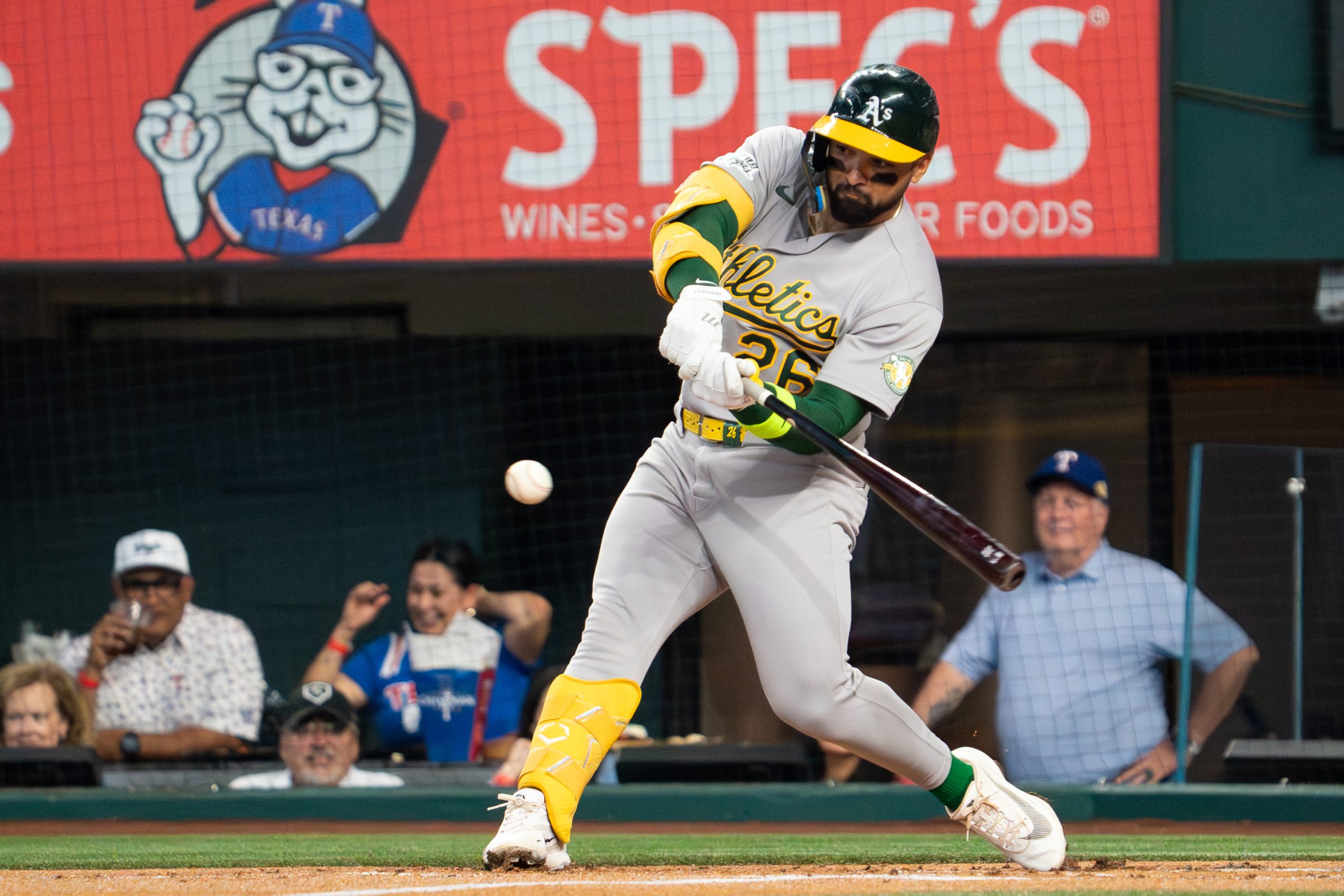
POLICY WIRE — ARLINGTON, Texas — It wasn’t the meticulously engineered triumph of a well-oiled machine, nor the decisive policy win predicted by statistical models. Instead, what unfolded in Arlington was a brutalist masterpiece of attrition, a 2-1 victory by the Oakland Athletics over the Texas Rangers — a scoreline so threadbare it scarcely seemed sustainable. But sustain it they did, clinging to a two-run first-inning burst through a maelstrom of pitcher injuries, offensive futility, and relentless Texan pressure. And in this improbable, gritty survival, veteran observers might discern a more profound lesson, a stark metaphor for the kind of tightrope walking currently dominating global policy discourse.
The Athletics, often seen as a bellwether for precarious franchises navigating existential questions, demonstrated a startling, almost perverse, resilience. Carlos Cortes, usually a quiet fixture, launched a two-run triple in the initial frame, a sudden surge that provided all the offense they’d muster. That single, timely stroke — a fleeting moment of offensive brilliance — had to carry the weight of an entire game. It’s a compelling narrative, isn’t it? An early, decisive strategic maneuver defining an entire protracted engagement, forcing a subsequent posture of pure, unadulterated defense. Just six pitches into his outing, starting pitcher J.T. Ginn exited with an arm injury, casting the entire relief corps into an immediate, unanticipated crucible.
“In this climate, every hard-won inch, every defensive stand, mirrors the complex calculus of maintaining a competitive edge against formidable, better-resourced adversaries,” Randall K. Finch, the Athletics’ CEO, mused to Policy Wire. “It’s about more than a game; it’s about a sustainable future, however precarious. We’re consistently reminded that resource allocation and crisis management are intertwined disciplines, both on the diamond and in the boardroom.”
So, the bullpen became the theater of policy improvisation. Joel Kuhnel, Jacob Lopez, Justin Sterner, Hogan Harris, and Jack Perkins — a collective that scrambled, sometimes faltered, but ultimately held the line against a formidable Rangers offense. Lopez, in his first relief appearance of the season, struggled, yielding a run — and fumbling a crucial bunt. But Sterner, a lesser-known cog in the mechanism, engineered a Houdini-esque escape from a bases-loaded, no-out jam, a moment of acute tactical brilliance against overwhelming odds. This wasn’t pretty; it was effective, a testament to raw nerve — and opportune execution. The team’s anemic 1-for-13 performance with runners in scoring position further underscores a systemic inefficiency — a stark reminder that even in victory, underlying vulnerabilities persist, much like national economies grappling with persistent structural deficits despite quarterly gains.
Still, the victory’s razor-thin margin resonates beyond American sports. Consider the intricate balancing acts faced by nations across the Muslim world, from the delicate political permutations in Islamabad to the ongoing humanitarian efforts in the Sahel. Every diplomatic overture, every economic reform, often hangs by a similarly slender thread, subject to unforeseen variables and the inherent fragility of complex systems. Dr. Anya Sharma, a seasoned geopolitical strategist at the Global Policy Institute, offered a starker assessment. “What we saw in Arlington wasn’t just a baseball score; it was a masterclass in crisis management under duress. These are the same tight margins, the same unexpected systemic shocks, that policymakers in fragile states – from Islamabad to Beirut – contend with daily. One misstep, one wild throw, can unravel everything.”
And yes, there was even a historical footnote: first baseman Nick Kurtz was intentionally walked in the ninth, surpassing Rickey Henderson’s franchise record for consecutive games reaching base via a walk. A small, almost symbolic victory for patience and strategic positioning amidst the chaos, perhaps a nod to the often-overlooked value of slow, deliberate plays in a world obsessed with immediate, explosive outcomes.
What This Means
This Athletics victory, rather than a mere footnote in sports annals, serves as a compelling allegorical prism through which to view current policy challenges. It underscores several crucial themes. Firstly, the paramount importance of resilience and adaptability: when initial plans falter (Ginn’s injury, offensive struggles), the capacity to pivot and rely on secondary mechanisms (the bullpen) becomes existential. Secondly, it highlights the outsized impact of singular, timely actions – Cortes’s triple – in an environment of overall scarcity. This mirrors policy environments where limited resources demand surgical precision and maximum leverage from every initiative, particularly in developing nations or regions grappling with economic austerity. Finally, it reminds us that sustained success often isn’t about overwhelming force, but about managing fragility, weathering storms, and extracting maximum value from minimal advantage. It’s not always about the biggest multi-billion dollar policy play; sometimes, it’s about the gritty, one-run win.
The Athletics’ precarious win in Arlington wasn’t an exhibition of dominance, but a testament to sheer endurance. It’s a narrative that policymakers worldwide would do well to heed, as they navigate their own high-stakes, low-margin endeavors where the smallest error can compound into significant, systemic failures. This wasn’t just baseball; it was a parable for governance in an age of acute uncertainty.