


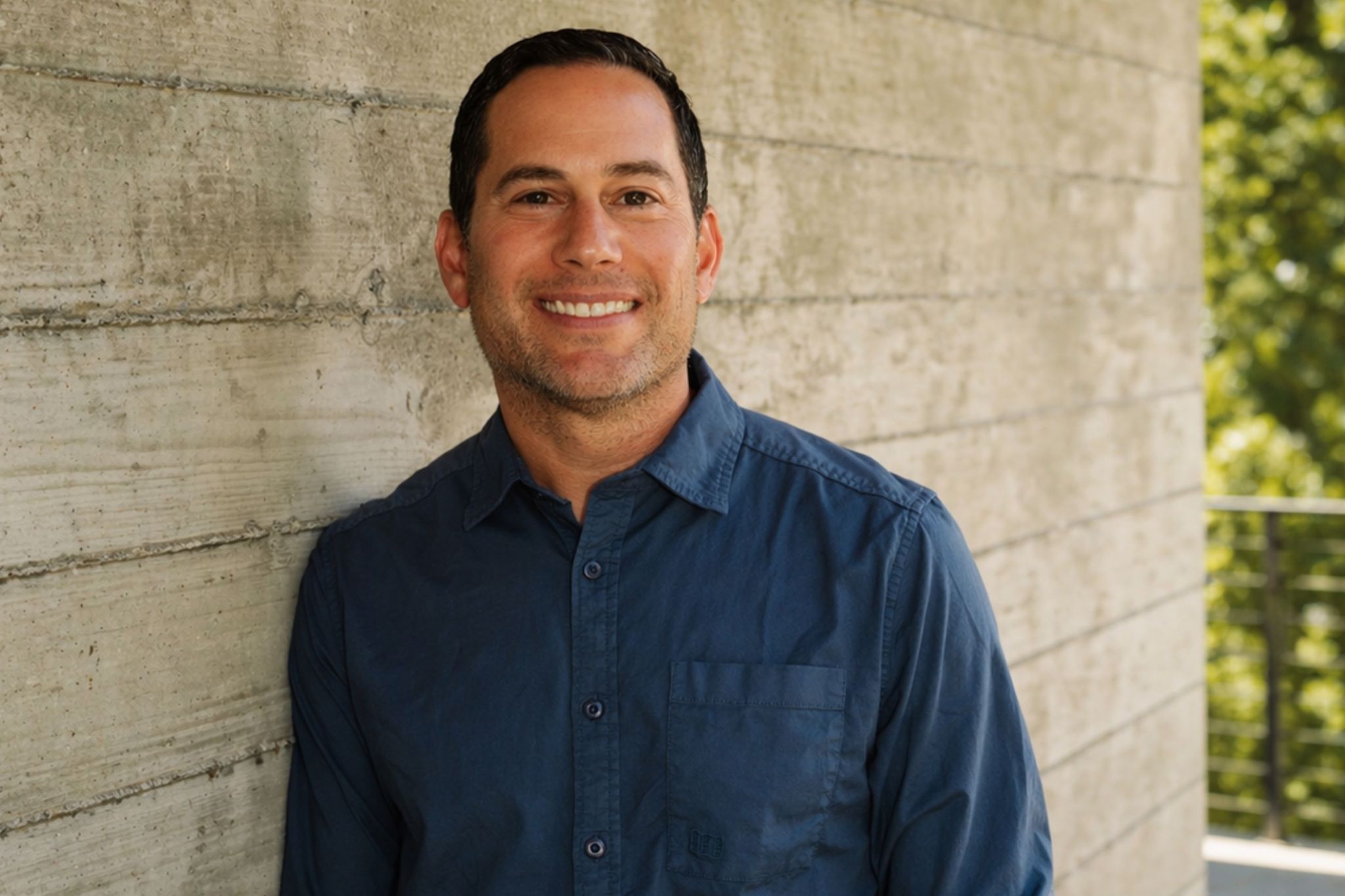
From ‘Always On’ to Alarms Blaring: A CEO’s Reckoning Shatters the Hustle Myth
POLICY WIRE — London, UK — The venerated altar of relentless ambition, where founders sacrifice sleep and family at the twin temples of innovation and market share, has always demanded its pound of...

POLICY WIRE — London, UK — The venerated altar of relentless ambition, where founders sacrifice sleep and family at the twin temples of innovation and market share, has always demanded its pound of flesh. But what happens when the high priest himself — one Julian Thorne, CEO of the ostensibly revolutionary tech firm, InnovateX Dynamics — admits the ritual was, in fact, a self-destructive farce?
It’s a curious twist, isn’t it? For years, Thorne epitomized the Silicon Valley-esque grind: subsisting on instant ramen, logging ungodly hours, and famously allotting himself a mere 48 hours for the birth of his first child before returning to the fray. The anecdotes were legion, whispered as proof of his indefatigable spirit. Now, however, the narrative has dramatically shifted. Thorne, a man whose public persona was inextricably linked to this very ideology, recently confessed to a “profound loss of perspective” and a stark realization that such extreme dedication isn’t just unsustainable, it’s corrosive. His admission, initially buried in a quarterly shareholder update (of all places!), then elaborated upon in a somber LinkedIn post, sent ripples through an ecosystem that often champions such excesses as virtues.
And these ripples, it seems, are not merely anecdotal. They’re symptomatic of a larger societal malaise, one where the line between professional dedication and personal annihilation has blurred into non-existence. This isn’t just about one CEO’s belated epiphany; it’s about the systemic pressures that compel—or at least strongly encourage—such behaviors across industries, from burgeoning startups to established multinational conglomerates. It’s a culture that implicitly, and often explicitly, penalizes individuals who dare to prioritize anything beyond the quarterly earnings report.
Still, for millions, the choice isn’t one of philosophical debate but economic necessity. A 2022 study by the International Labour Organization (ILO) revealed that only 36% of the global workforce has access to national paid paternity leave, highlighting a stark gap in policy support for fathers wishing to engage more fully with early parenthood. Thorne’s experience, while privileged, underscores a universal dilemma: how do societies balance economic imperatives with human well-being? “This isn’t merely a personal failing; it’s a systemic challenge requiring robust policy frameworks that prioritize human well-being over unrelenting productivity metrics,” observed Minister Aisha Khan, chairperson of the Parliamentary Committee on Workforce Development in Pakistan, during a recent Islamabad forum. Her sentiment resonates far beyond South Asia, where intense global competition often translates into equally intense, often uncompensated, working hours for professionals.
But can a single CEO’s public soul-searching truly recalibrate an entire industrial ethos? It’s doubtful it’ll be a panacea. The myth of the heroic, always-on leader is deeply embedded, particularly in dynamic, competitive sectors where success is often conflated with sheer endurance. “The true innovation lies not in how many hours one logs, but in the sustainable, creative output fostered by a balanced and respected workforce,” posited Dr. Evelyn Reed, a leading organizational psychologist at Stanford University’s Graduate School of Business. Her words cut to the core of an economic model that, perhaps, has forgotten its fundamental asset: its people. This re-evaluation of what constitutes ‘success’ — personal and corporate — is long overdue, especially as global economies contend with shifting demographics and evolving workforce expectations.
What This Means
Thorne’s public mea culpa, whether a genuine change of heart or a savvy PR move to preempt burnout-related criticism, presents a critical juncture for policy makers and corporate strategists. Politically, the narrative bolsters arguments for enhanced labor protections, mandated parental leave (extending beyond the token two days Thorne afforded himself), and robust mental health support systems within the workplace. Governments, particularly in rapidly developing nations grappling with complex economic shifts and demanding global supply chains, face mounting pressure to safeguard their workforces from the detrimental effects of excessive demands. It’s a debate that touches upon national productivity, public health expenditure, — and ultimately, social cohesion.
Economically, the implications are equally profound. The long-held belief that longer hours equate to higher productivity is increasingly being debunked by research demonstrating diminishing returns and increased error rates. Companies witnessing high employee turnover, declining innovation, and surging healthcare costs linked to stress and burnout are beginning to understand that their human capital is finite. The “hustle culture” often celebrated on social media platforms, when translated into real-world corporate policy, inevitably leads to a less resilient, less creative, and ultimately, less competitive workforce. Smart organizations, it’s becoming clear, won’t just respond to policy mandates; they’ll proactively cultivate environments where work-life integration isn’t a buzzword, but an operational imperative, understanding that a rested mind is a fertile one. The cost of neglecting this truth, it seems, far outweighs the perceived benefits of perpetual motion.