


Return of the Macaw: Brazil’s Feathered Revival Tests a Global Reckoning
POLICY WIRE — Brasília, Brazil — For two centuries, they’d been ghosts, technicolor flashes exiled from swathes of their ancestral skies. Their vibrant squawks—a primal soundtrack to Brazil’s...

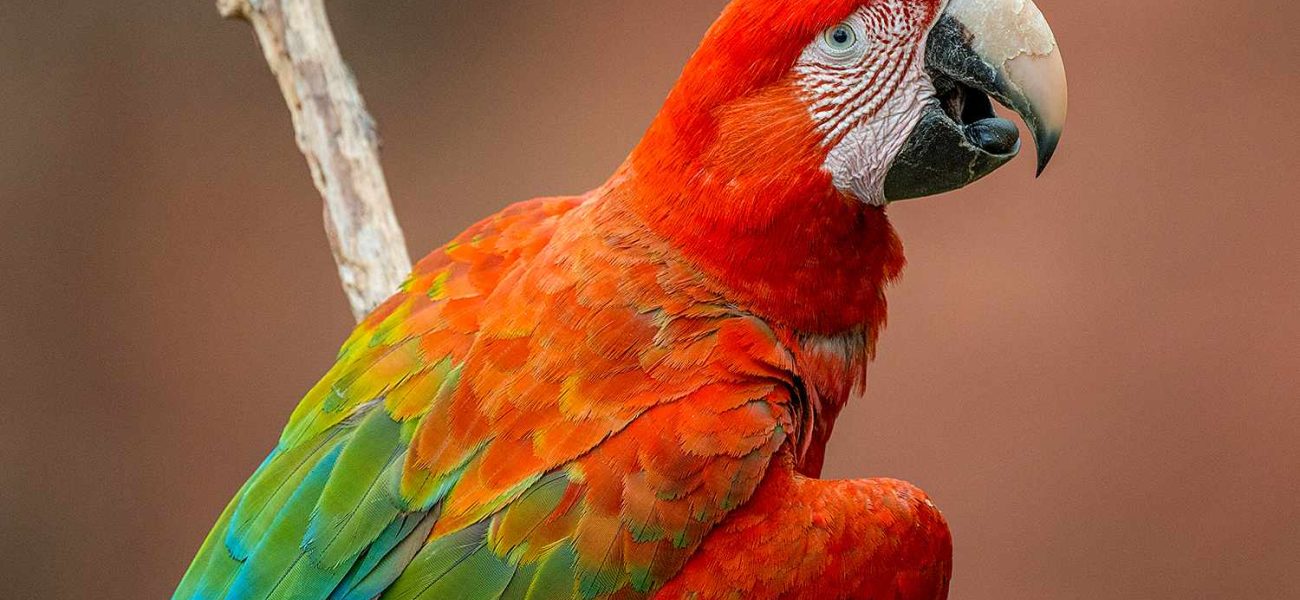
POLICY WIRE — Brasília, Brazil — For two centuries, they’d been ghosts, technicolor flashes exiled from swathes of their ancestral skies. Their vibrant squawks—a primal soundtrack to Brazil’s lush Atlantic Forest—silenced by axe and avarice. So when red-and-green macaws (Ara chloropterus) recently began reclaiming territories in Rio Grande do Sul, the southernmost state, it wasn’t just a biological footnote; it’s a policy parable, steeped in the gnawing politics of preservation and the often-grim ledger of ecological debt.
Nobody much thought they’d see the day, honestly. Not after generations of relentless deforestation chewed through what was once a majestic, sprawling ecosystem, making way for cattle ranches and monoculture. And here we’re. It’s a conservation comeback, sure, but it also shines a harsh spotlight on the delicate, politically charged dance between development, climate change, and the ragged fringes of remaining wilderness.
This isn’t some feel-good nature documentary ending. It’s messy, complex, and expensive. The birds didn’t just waltz back. No, it took decades of painstaking reintroduction efforts, habitat restoration, and, crucially, a shift—however tenuous—in public and political will. Brazil’s environmental reputation, after all, took a pretty significant battering over the past decade. President Luiz Inácio Lula da Silva, a man with his own complicated relationship with industry and environment, has tried to recalibrate things, painting his administration as a bulwark against planetary destruction. “We’re rebuilding trust, not just habitats,” said Brazilian Environment Minister Marina Silva, a veteran of this often-unwinnable war, recently told Policy Wire. “The world expects more from Brazil than just soy and beef; they expect a living planet.” Her voice carried that weary conviction of someone who’s seen promises break.
But the macaws’ precarious return signals something else, too: that even seemingly irreversible damage might just, with a Herculean collective effort, be fixable. It’s a whisper of hope, a counter-narrative to the steady drumbeat of species extinction. But can we replicate this across the globe? Particularly in places like South Asia, where ecological pressures aren’t just immense, but intertwined with burgeoning populations and acute poverty. Countries like Pakistan face their own desperate battles to preserve dwindling forests and vital wetlands, often with far fewer resources and facing even more immediate human needs. The challenges there are acute, sometimes manifesting in stark warnings of habitat loss for endemic species, or through broader environmental crises like the deadly heatwaves described in Inferno on the Subcontinent. The macaws, in a weird way, become a global barometer.
It’s an object lesson in long-term consequences. What’s done over generations often takes just as long, or longer, to undo. But it’s not an automatic reset button. “While we celebrate every bird, every fledgling feather, we mustn’t forget the scale of what we’ve lost and what’s still at risk,” warned Dr. Anya Sharma, Director of the Global Avian Conservation Initiative. “About 20% of the world’s known bird species face extinction, according to data from BirdLife International, and that number isn’t shrinking fast enough.” Her pragmatic pessimism often feels more realistic than outright joy.
📄 POLICY WIRE WHITEPAPER PUBLISHED: PAKISTAN'S NATIONAL SECURITY POLICY PRIORITIES
👉 READ BY CLICKING HEREAnd because these majestic birds are still vulnerable, the vigilance can’t wane. Poaching, though lessened, hasn’t disappeared. Habitat destruction simply relocated, sometimes. Their future hinges not just on their own instincts, but on sustained policy, enforcement, and political will – an almost mythical trifecta in global environmentalism.
What This Means
The macaw’s reappearance isn’t merely an ecological triumph; it’s a calculated diplomatic asset for Brazil. Lula’s administration will trumpet this success on the global stage, aiming to soften the lingering perception of Brazil as an environmental pariah. This feathered comeback allows Brasília to project an image of responsible stewardship, which is pretty handy when you’re pushing for investments or trying to exert influence in climate negotiations. Economically, a healthier ecosystem could unlock opportunities for eco-tourism, drawing visitors who crave pristine wilderness—something that doesn’t just benefit the birds but local economies as well. But it also means increased scrutiny. If these successes aren’t built on durable policy and enforced against continued illegal logging and resource extraction, the gains are fragile. This tale, ultimately, isn’t about birds flying free. It’s about the brutal calculus of planetary boundaries, the glacial pace of policy change, and humanity’s grudging acknowledgment that sometimes, a little piece of paradise is worth fighting for. And they’re fighting, really, to reclaim a moral standing in a world hungry for genuine environmental victories, not just political platitudes. They’re making the bet that a healthier natural world translates to a healthier bottom line, a lesson many developing nations, including those grappling with resource scarcity, could use.