

Scorched Earth: New Mexico Confronts Perpetual Summer as Fire Risk Escalates
POLICY WIRE — ALBUQUERQUE, N.M. — The high desert sun isn’t just shining; it’s an anvil, relentlessly forging another day of above-average temperatures across New Mexico, casting a long, uneasy...

POLICY WIRE — ALBUQUERQUE, N.M. — The high desert sun isn’t just shining; it’s an anvil, relentlessly forging another day of above-average temperatures across New Mexico, casting a long, uneasy shadow over a landscape already parched. This isn’t just a weather forecast; it’s a grim prognosis, painting a picture of accelerating ecological fatigue, as communities grapple with what feels like a perpetual summer—one that now begins before spring’s memory can even fade.
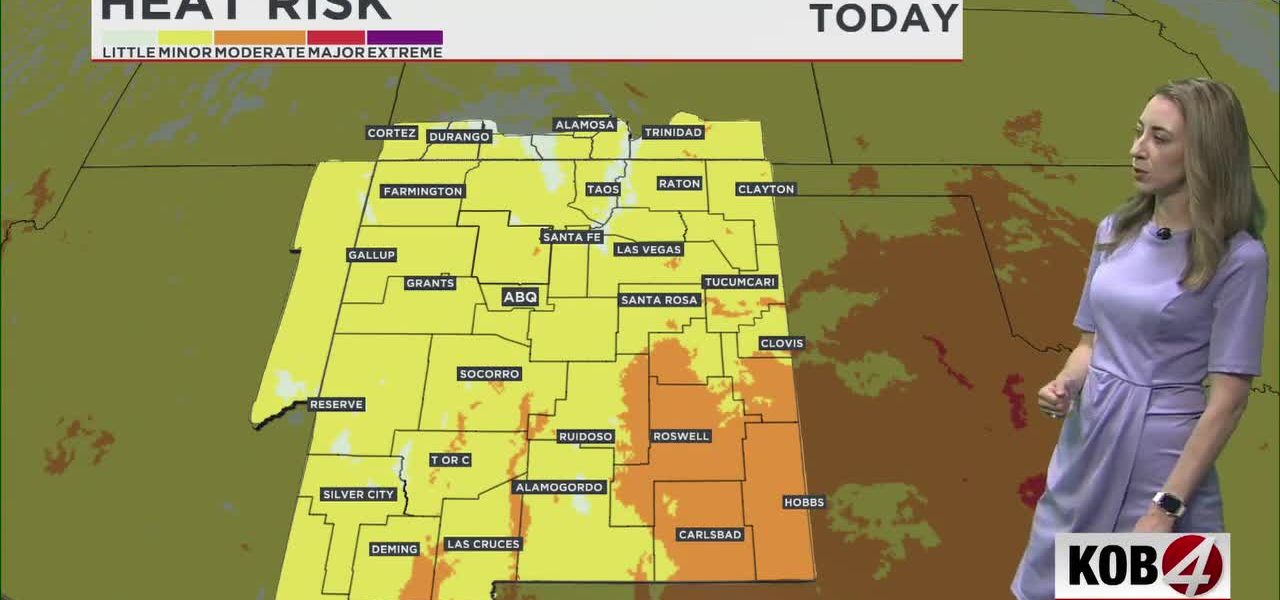
Forecasts for Thursday predicted yet another afternoon pushing the mercury deep into the 80s and 90s for vast swathes of the state. A few fortunate pockets might flirt with temperatures just below the 70s, but for others, especially those southwestern plains, triple digits weren’t just a possibility; they were an inevitability. Western areas could expect largely clear skies, a stark, unbroken canvas for the sun’s fury, while eastern parts wrestled with leftover mid and upper-level moisture, fostering clouds that start to gather around midday—harbingers, perhaps, of what meteorologists grimly refer to as ‘dry showers.’ These aren’t helpful; they’re a menace, often generating lightning and powerful, gusty winds topping 50 MPH, without the saving grace of significant rainfall.
Because that moisture, well, most of it won’t even kiss the ground. It’s an arid theater, where nature puts on a show of potential precipitation, only to pull it back, evaporating into the thirsty air. This pattern only heightens the already elevated fire risk across eastern New Mexico. And, frankly, things escalate to critical levels across the state’s south-central and southwestern regions this very afternoon and evening.
Red Flag Warnings have gone out, stretching from Otero and Lincoln Counties westward to the Arizona border—a broad, urgent swath encompassing Dona Ana, Luna, Sierra, Hidalgo, Grant, and much of Catron County, effective noon until 8 p.m. Low humidity and strong, gusty southwest winds, up to 35 mph, aren’t just contributing factors; they’re accelerants, poised to spread any new ignition with terrifying speed. You can bet that doesn’t do a lick of good for the crews already battling the Hummingbird Fire in southern Catron, or that fresh blaze chewing through the Capitan Mountains.
Governor Michelle Lujan Grisham didn’t mince words. “We’re not just fighting fires; we’re fighting a decades-long drought — and an increasingly volatile climate. Every year, it feels like fire season starts earlier and ends later, demanding more resources from our firefighters and more vigilance from our residents,” she stated in a recent address, acknowledging the Sisyphean task. It’s a sentiment echoed by many.
And then the weekend comes—more heat, more dry conditions, more fire concerns plastered across weather advisories. Only then, with the begrudging crawl of a slow-moving cold front by Sunday, does the promise of a shift emerge. But before any real respite, those winds are slated to crank up across the entire state through Monday, pushing the fire risk to elevated status almost everywhere. It’s a bitter prelude, then, to what locals desperately hope will be a break from these summer-like conditions come Tuesday.
📄 POLICY WIRE WHITEPAPER PUBLISHED: PAKISTAN'S NATIONAL SECURITY POLICY PRIORITIES
👉 READ BY CLICKING HEREWhat This Means
The relentless siege of extreme weather isn’t just an inconvenience; it’s an economic — and social drain. Politically, these conditions put immense pressure on state and federal coffers to fund wildfire suppression, allocate disaster relief, and invest in long-term resilience strategies. The financial burden is staggering; nationally, wildfire suppression costs alone soared to an average of $2.5 billion annually between 2017 and 2021, according to the U.S. Forest Service, — and a significant chunk of that burden often falls on states like New Mexico. Local industries, from tourism to agriculture—think of those iconic green chile farms or cattle ranches—face existential threats from scorched earth, diminished water resources, and air quality concerns that deter visitors and sicken livestock. The continuous fight against escalating blazes often shifts funds away from other critical public services, forcing difficult budget compromises.
This struggle isn’t confined to the American Southwest, either. It mirrors the plight of communities worldwide grappling with intensifying climate disruptions. Think of Pakistan, for instance, where devastating heatwaves and subsequent floods—both extremes of climate volatility—have routinely displaced millions, annihilated crops, and crippled its agrarian economy. The same pressures manifest in how leaders like Governor Lujan Grisham are expected to navigate increasingly frequent and severe environmental catastrophes, demanding not just reactive firefighting but proactive climate adaptation strategies—a tough sell when immediate dangers demand all the attention.
“We’re past the point of discussing whether climate change is real; we’re firmly in the era of managing its very real, very costly impacts,” remarked State Forester John M. Jones, underscoring the shift in dialogue from scientific debate to emergency management. But, managing them? That’s the billion-dollar question.
The resilience of New Mexico’s infrastructure, its human capital, and even its unique cultural identity is tested with each passing dry season. And, as resources become scarcer—much like the quiet drain on oil supplies in other global crises—the prospect of sustaining these efforts year after year, especially for remote, underserved communities (a pattern not dissimilar to those facing struggles highlighted in coverage like New Mexico’s remote medical response challenges), becomes increasingly uncertain. For now, the Land of Enchantment braces itself, once again, for an unholy summer, still many weeks away.