


Video Stokes Fury: Albuquerque Fatal Shooting Renews Calls for Policing Re-evaluation
POLICY WIRE — Albuquerque, United States — It started, as these things often do, with a cry for help. A mental health crisis call, family worried about a loved one. And then it ended—violently—with...

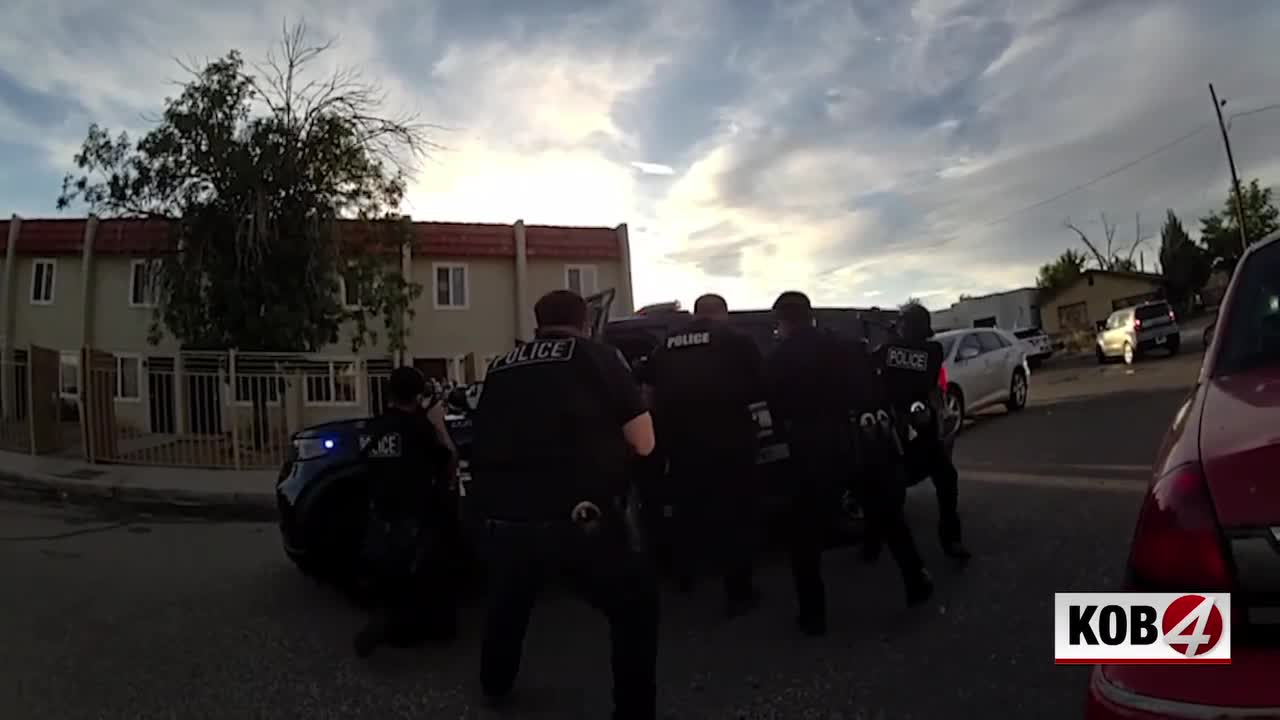
POLICY WIRE — Albuquerque, United States — It started, as these things often do, with a cry for help. A mental health crisis call, family worried about a loved one. And then it ended—violently—with gunshots ringing through a residential street, a patrol car windshield fractured, and a 23-year-old man, Jose Armas, dead. This week, Albuquerque police finally released the body camera footage, plunging what was already a raw incident into the harsh light of public scrutiny, and fueling questions about crisis intervention that ripple far beyond New Mexico.
The sequence of events near Eighth Street — and Bellamah Avenue unfolded in a tragically familiar pattern. Officers were called out for Armas reportedly threatening to end his own life. According to police accounts, Armas initially emerged from his apartment unarmed. But he then retreated back inside. And this is where the incident took its irrevocable turn. He reappeared, police say, with a firearm, immediately engaging officers.
The recently declassified video lays bare the stark, chaotic few moments that followed. You hear it before you really see it—gunshots erupting, the distinct, sickening sound of glass shattering, as officers scrambled for cover. Police claim Armas fired at them, hitting a patrol car. In turn, officers returned fire. Jose Armas was killed.
His brother, Elier Ramirez, has already weighed in with a stark assessment. “Cops could have and should have stopped him from ever going back over here but they let him and scared him back into the house, prompting him to get a weapon,” said Elier Ramirez, Armas’ brother. It’s a blistering critique, encapsulating the raw grief and frustration common when state intervention intended to safeguard turns fatal.
Two officers, mercifully, sustained only shrapnel injuries from the gunfire that impacted their vehicle, according to APD Chief Cecily Barker. They’re fine. Jose Armas isn’t. But how did a call intended to prevent a tragedy morph into one? These are the kinds of queries that plague communities long after the news cycles have moved on. They don’t just disappear. They linger, poisoning the well of public confidence.
The city’s authorities, as is custom, have initiated the multi-layered investigations that typically follow such incidents. A multi-agency task force, alongside the department’s Internal Affairs Force Division, will ostensibly determine if police policy was followed to the letter. This, however, was APD’s second deadly shooting in three days. Another suspect from a prior incident is still in the hospital. The rapid succession of such events isn’t exactly building confidence, is it?
When the very mechanisms of state protection become instruments of demise, communities rightly demand an account. What protocols were truly in place for mental health calls? Were alternatives to lethal force adequately considered — and deployed? These aren’t abstract questions for Albuquerque’s residents, or for families in Rawalpindi, Pakistan, grappling with their own state-involved violence and questions of accountability. In 2023, The Washington Post reported 1,079 people were shot — and killed by police across the United States. Many of these incidents involve individuals in states of mental distress. It’s not an outlier; it’s a systemic undercurrent.
We see the same conversations—just with different accents—in many parts of the world, from the American Southwest to South Asia. The state’s monopoly on force comes with immense responsibility, and its misuse or misapplication creates chasms of distrust that take generations to bridge. The footage from Albuquerque serves as a stark reminder of these profound fault lines. But, more than that, it highlights the desperate need for smarter, more compassionate approaches to community safety, approaches that prioritize de-escalation over confrontation, particularly when the initial call was for help.
What This Means
The political implications here are stark — and multifaceted. This isn’t just a local policing issue; it’s a microcosm of a national—and even international—struggle for trust in state institutions. Economically, repeated incidents of fatal police encounters can inflict substantial costs, both direct — and indirect. There’s the immediate expenditure for investigations, lawsuits, and potential settlements. Then there are the subtler, yet arguably more devastating, costs: eroded public confidence translates into decreased civic engagement, reluctance to cooperate with law enforcement, and a palpable sense of injustice that can fester into social instability. Just consider how issues of institutional trust and state authority reverberate across countries like Pakistan, where public skepticism often undercuts governance initiatives and deepens societal divisions.
This incident will almost certainly intensify calls for significant reforms in how police departments respond to mental health crises, potentially pushing for greater integration of mental health professionals into emergency response teams, or even creating alternative, non-police response models altogether. There’s a mounting expectation for transparency, with bodycam footage becoming not just an investigative tool, but a public record that fuels policy debates. For politicians, navigating these demands means balancing public safety with civil liberties, and the often-conflicting interests of police unions and advocacy groups. The question isn’t whether reforms are coming, but rather what shape they’ll take, and if they’ll truly address the underlying systemic issues that convert calls for help into fatal confrontations.
From an international policy standpoint, America’s struggle with police accountability and violence impacts its standing and diplomatic efforts. It provides fodder for critics — and complicates conversations around human rights and governance elsewhere. This dynamic isn’t lost on governments or citizens in regions like South Asia, where internal issues of state power and civilian trust are constantly scrutinized through the lens of global perceptions. The public will demand more than mere procedural reviews; they want a genuine re-evaluation of the mechanisms that govern state authority, and how those mechanisms intersect with community well-being. Failure to adapt will only deepen the public’s conviction that current systems are beyond repair. This particular kind of civic turbulence isn’t just about crime; it’s about the social contract itself, a fragile thing that must be constantly maintained.