

New Mexico’s Relentless Heat Stirs Unease, Firefighters Brace for a Scorched Spring
ALBUQUERQUE, N.M. — There’s a certain grim predictability to it now, a collective sigh barely audible above the whisper of dry desert winds. Another Thursday, another swath of New Mexico bracing for...

ALBUQUERQUE, N.M. — There’s a certain grim predictability to it now, a collective sigh barely audible above the whisper of dry desert winds. Another Thursday, another swath of New Mexico bracing for conditions more befitting of mid-July than the cusp of spring. But it isn’t just about the mercury — it’s about the ever-expanding reach of a fire season that seems to forget its calendar.
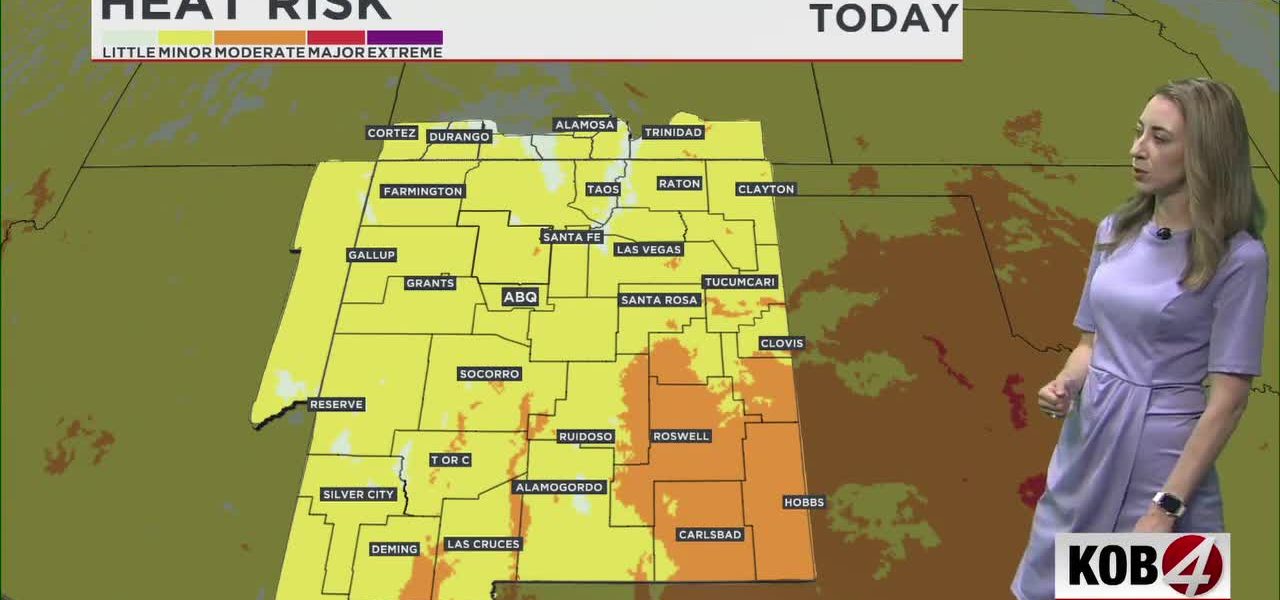
Much of the Land of Enchantment baked under a summer-like sun, with temperatures soaring into the 80s and 90s, nudging perilously close to triple digits in some unlucky corners. The state, for a land so steeped in ancient rhythms, feels increasingly off-kilter. Because while some might welcome the warmth, state officials are already tallying up the fiscal and environmental costs.
“We’re fighting fires before tourists have even finished planning their summer getaways,” quipped State Senator Antoinette Sedillo Lopez (D-Bernalillo), reflecting on the strain on public coffers and frontline crews. “It’s not just the immediate damage; it’s what these early, prolonged seasons do to our watersheds, our air quality. You don’t get a break anymore—we’re always on alert.” Her observations weren’t off-the-cuff; they were rooted in years of escalating emergency declarations.
Red Flag Warnings — those stark harbingers of danger — weren’t merely sporadic alerts. They blanketed huge chunks of the state, from Otero and Lincoln Counties west to the Arizona border, including Dona Ana, Luna, Sierra, Hidalgo, and Grant, along with most of Catron. It wasn’t a warning; it was a mandate for extreme caution. The combination? Bone-dry vegetation, exceptionally low humidity, — and southwesterly gusts topping out at 35 mph. That’s a recipe for rapid, uncontrollable spread, complicating efforts against existing blazes like the Hummingbird Fire in southern Catron and a new one gnawing at the Capitan Mountains.
And it won’t ease up soon. Fire weather concerns are set to dominate the forecast through the weekend, only slightly moderated by a creeping cold front Sunday that, ironically, brings strong winds that could exacerbate initial spread even before it brings significant relief mid-week. It’s a vicious cycle, really.
The situation in New Mexico isn’t some isolated regional anomaly, you know. Far from it. This relentless aridification mirrors accelerating climate shifts across the globe. Just last year, devastating floods swept Pakistan, impacting over 33 million people and displacing millions more, a direct consequence of erratic weather patterns amplified by climate change. Both scenarios — New Mexico’s dry, hot infernos and Pakistan’s deluge — speak to the severe consequences of global atmospheric shifts, demonstrating that whether it’s too much water or not enough, the human cost remains staggeringly high.
📄 POLICY WIRE WHITEPAPER PUBLISHED: PAKISTAN'S NATIONAL SECURITY POLICY PRIORITIES
👉 READ BY CLICKING HEREThe financial toll here isn’t imaginary either. Nationally, the National Interagency Fire Center (NIFC) reports that wildfire suppression costs exceeded $4.5 billion in 2021 alone, a figure that’s been steadily climbing for decades. It’s a colossal diversion of resources, money that can’t be spent on schools, roads, or healthcare.
“Our firefighters are heroes, no doubt about it,” stated Michael Salazar, State Fire Marshal. “But even heroes get exhausted. We’re asking them to do more with—frankly—the same budgets, often against hotter, faster, and bigger fires. It’s simply not sustainable, and we’re having to make harder and harder decisions about resource deployment, impacting every other aspect of public safety in the state.” He wasn’t exaggerating the fatigue; it’s palpable amongst the crews.
What This Means
This relentless march of ‘summer’ into spring isn’t just a weather forecast; it’s a policy nightmare in slow motion. Economically, prolonged fire seasons translate into increased insurance premiums for homeowners, diminished agricultural yields (even if indirectly through long-term drought impacting water rights), and a significant hit to New Mexico’s tourism sector, especially in its scenic forested areas. The smoke alone can deter visitors, not to mention the actual destruction. The federal government, under statutes like the Stafford Act, eventually covers some costs, but states still bear a substantial burden, often straining emergency funds.
Politically, there’s growing pressure on Santa Fe to formulate comprehensive, proactive strategies beyond just reaction. It’s not enough to simply fight fires; policy-makers must grapple with the underlying factors driving these changes. Expect debates around land management practices, increased funding for controlled burns, and better public education on fire prevention. the environmental fallout – scarred landscapes, eroded topsoil, diminished biodiversity – will haunt the state for decades, affecting everything from hunting and fishing licenses to property values in affected zones. This isn’t just about New Mexico, it’s a stark preview for communities globally learning to live on a climate-altered knife edge.