

Rising Tensions: The Imminent Threat of Conflict Between India and Pakistan
The volatile situation between India and Pakistan has once again reached a critical juncture, as Pakistan’s information minister, Attaullah Tarar, has warned of a potential military strike by India...

The volatile situation between India and Pakistan has once again reached a critical juncture, as Pakistan’s information minister, Attaullah Tarar, has warned of a potential military strike by India within the next 24 to 36 hours. This announcement comes in the wake of an attack in Indian-administered Kashmir, near the tourist town of Pahalgam, which tragically claimed the lives of 26 civilians. According to Pakistan’s government, India plans to use the incident as a “false pretext” to justify military action against Pakistan. Islamabad has firmly rejected any involvement in the attack, stating that it will respond decisively to any such military adventurism. This latest escalation highlights the ongoing tensions between two nuclear-armed nations, which have a long history of conflict over the disputed Kashmir region.
The attack near Pahalgam, which is located in the Indian-administered portion of Kashmir, is the deadliest assault on civilians in the region in the past two decades. Kashmir, which both India and Pakistan claim in full but administer only in part, has been a flashpoint for violent confrontations ever since the partition of the subcontinent in 1947. The region has witnessed multiple wars, insurgencies, and military skirmishes between the two countries. India accuses Pakistan of supporting militants who seek to challenge Indian rule in Kashmir, a claim Pakistan consistently denies. Despite the long-standing hostility, both sides continue to trade blame over incidents of violence in the region.
Following the attack, Indian authorities launched a massive operation, detaining more than 1,500 individuals for questioning. As the investigation unfolded, reports indicated that at least 10 houses belonging to alleged militants were demolished, further intensifying the strain in the region. However, while these actions by India reflect a commitment to addressing the attack, they have also stoked fears of a potential escalation. Indian authorities have yet to name any specific group responsible for the attack. Initial reports suggested that the Resistance Front, a little-known militant group reportedly linked to the Pakistan-based Lashkar-e-Taiba, claimed responsibility, though the group later denied its involvement.
The uncertainty surrounding the attack’s perpetrators has only added to the volatile atmosphere. Indian police have named three of the four suspected attackers. According to authorities, two of the suspects are believed to be Pakistani nationals, and one is from Indian-administered Kashmir. However, the identity of the fourth individual remains unclear. This has fueled suspicions and speculation in India, where the attack has sparked widespread outrage. Prime Minister Narendra Modi has vowed that those responsible will be pursued “till the ends of the earth,” further inflaming tensions between the two countries.
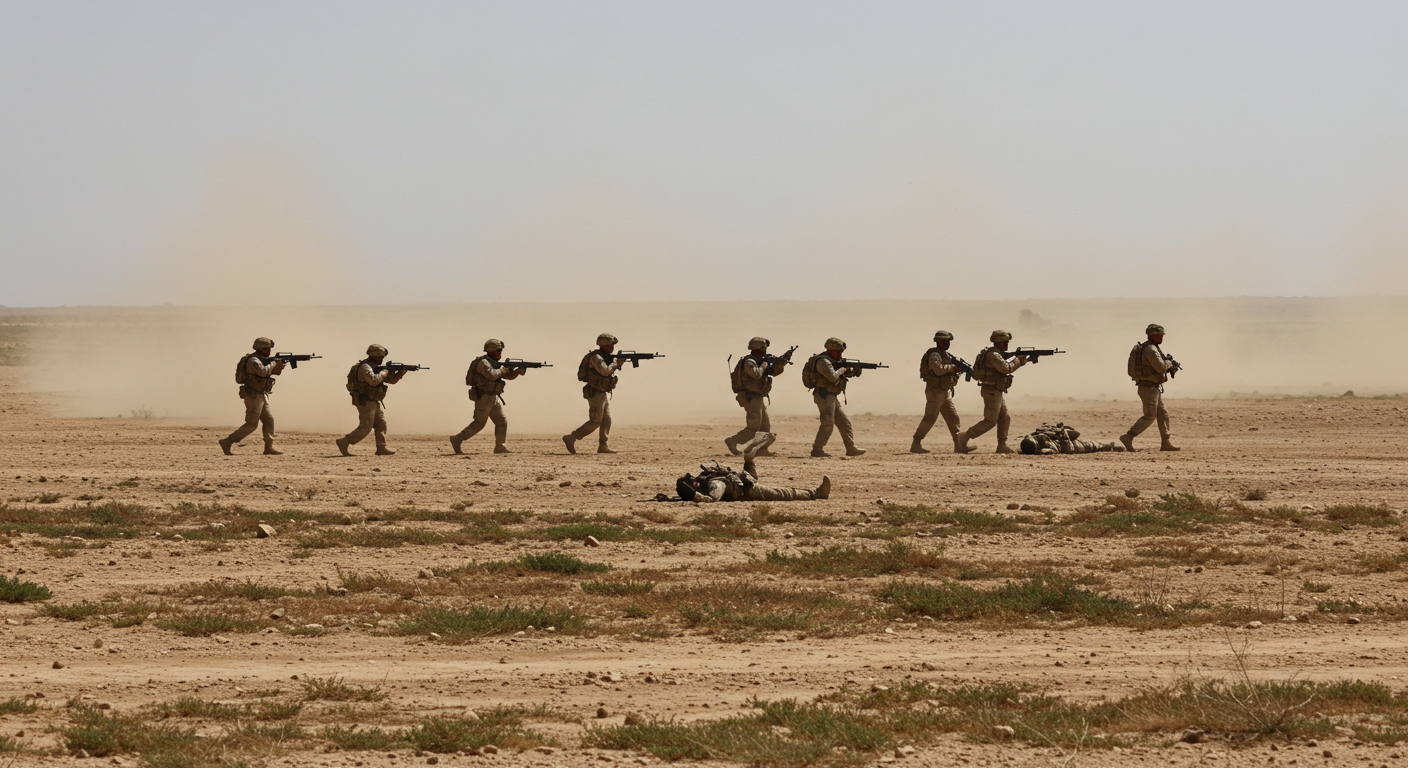
In response to the situation, Pakistan’s government has expressed concern that India may use the attack as an excuse to launch military action against Pakistan. The fear of retaliation is particularly acute given the history of military strikes between the two countries. In 2016 and 2019, India conducted airstrikes against Pakistan in response to attacks by militants. The possibility of a similar escalation in response to the Pahalgam attack is a source of anxiety in both nations, especially as troops from both sides have already been engaged in skirmishes along the border.
India’s accusations against Pakistan are not new. Over the years, India has consistently blamed Pakistan for supporting militant groups that operate in Kashmir. Pakistan, on the other hand, denies any involvement in such activities, claiming that it supports the Kashmiri people’s right to self-determination, but not militancy. These contrasting narratives have kept the two countries locked in a cycle of mutual distrust and hostility. The rhetoric from both sides has only become more heated in recent years, with leaders from both nations making strong statements about their readiness to defend their respective positions.
The international community has closely monitored the situation, recognizing the potential for the crisis to escalate into a full-scale war between the two nuclear-armed states. A military conflict between India and Pakistan would have devastating consequences, not only for the countries involved but also for regional stability and global security. The use of nuclear weapons by either country would have catastrophic consequences for millions of people, making diplomatic efforts to de-escalate tensions all the more urgent.
Kashmir, which has long been at the center of the India-Pakistan conflict, remains a highly sensitive issue. The region’s status is disputed, and both countries maintain military forces in the area. This militarization of Kashmir has led to repeated clashes and violence, often involving civilians who find themselves caught in the crossfire. Since 1989, Indian-administered Kashmir has witnessed an insurgency against Indian rule, with militants targeting both security forces and civilians. The region has become a symbol of the broader struggle between India and Pakistan, with both nations seeking to assert their dominance over the region.
The Pahalgam attack serves as a grim reminder of the fragile peace that exists between India and Pakistan. While the specific motivations behind the attack remain unclear, it has reignited the cycle of blame and retaliation that has characterized the relationship between the two countries for decades. As both nations continue to engage in military posturing, the international community must work to facilitate dialogue and prevent a full-blown conflict from erupting. The stakes are high, and the consequences of failure could be catastrophic.
In conclusion, the threat of military conflict between India and Pakistan remains a significant concern for global security. The recent attack in Pahalgam has brought the two nations to the brink once again, with Pakistan warning that any military strike by India will be met with a decisive response. As tensions continue to rise, the world watches with bated breath, hoping that diplomacy can prevent another devastating war in the region.
Author