

Foley Field Fray: Bulldogs Win Regional, But Star Player’s Suspension Casts Long Shadow
POLICY WIRE — Athens, Georgia — The celebration felt a bit… antiseptic, didn’t it? Yeah, the Georgia Bulldogs certainly dispatched their regional competition this past weekend, sweeping through...

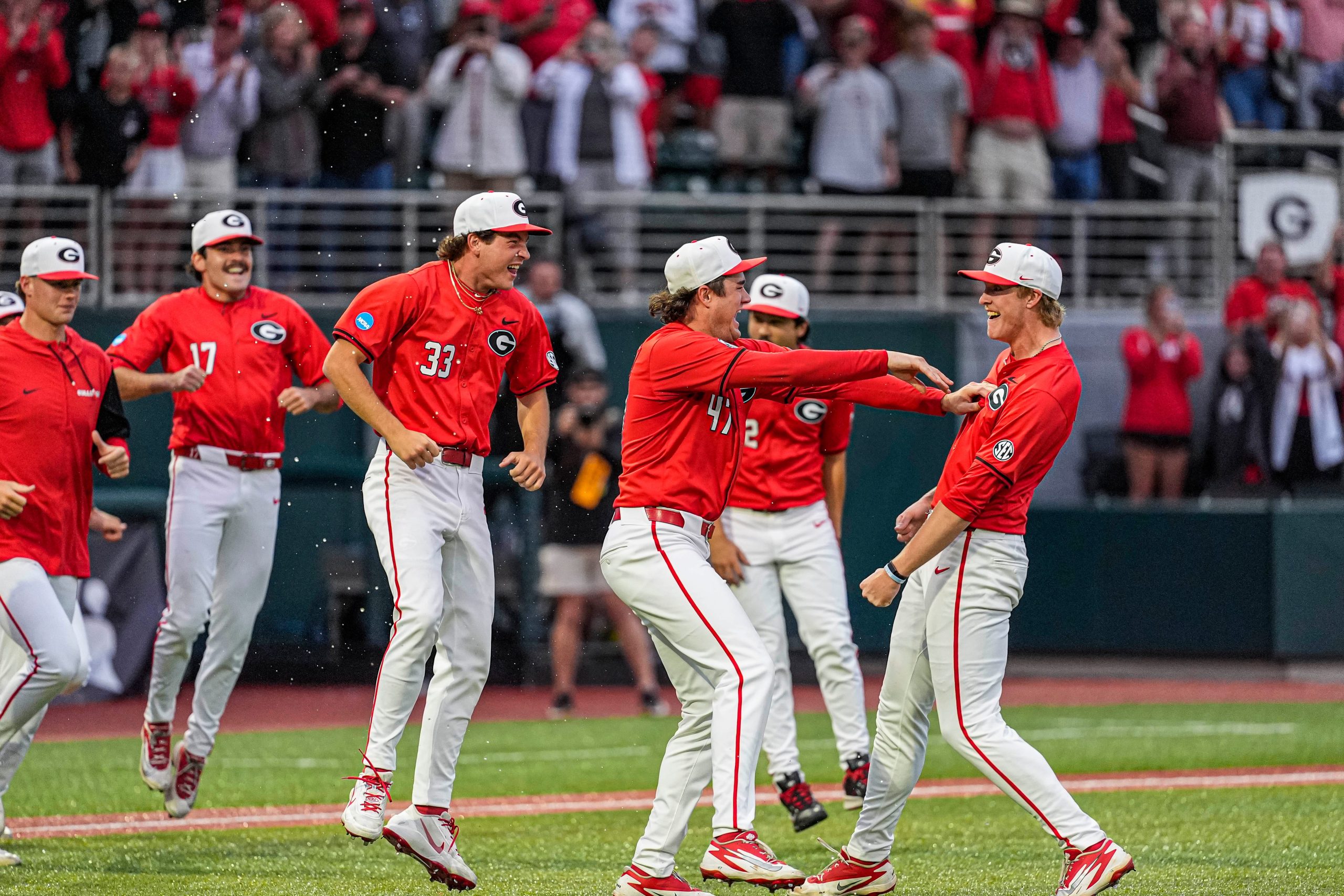
POLICY WIRE — Athens, Georgia — The celebration felt a bit… antiseptic, didn’t it? Yeah, the Georgia Bulldogs certainly dispatched their regional competition this past weekend, sweeping through Liberty and Long Island to punch their ticket to the NCAA Super Regionals. But amid the usual pile-on at the mound and the high-fives echoing across Foley Field, there was this other, decidedly less celebratory, drama unfolding. An incident that ripped a key player right out of the lineup for the next crucial contest, raising questions not just about conduct, but about the opaque justice of college athletics.
It wasn’t a game-ending heroics or a stunning upset that truly grabbed the back-page headlines here. It was infielder Tre Phelps, ejected late in the regional-clinching dust-up against Liberty for a supposed exchange of words with the opposing dugout. His manager, Wes Johnson, got tossed too, but he’ll be back in the dugout. Phelps, on the other hand, isn’t so lucky. He’s been sidelined for the Super Regional opener, a stark reminder that even on the precipice of national glory, the strictures of NCAA regulation loom large. It’s a bitter pill to swallow for a team on a high.
“Look, kids are emotional. They play with passion, and sometimes that gets misinterpreted,” Johnson mused in the post-game scrum, his tone betraying a simmering frustration. He explained Phelps was merely celebrating with family sitting above the dugout. “We’ve got to do a better job managing that optic, clearly. But let’s be straight: this kid plays his heart out, — and we’re going to miss him, big time. It’s tough when an infraction overshadows the achievement.”
The incident wasn’t exactly a bench-clearing brawl, more of a verbal spat—or perhaps, as Johnson suggests, a celebratory misunderstanding. But the impact’s clear. A potent bat is now sitting, costing the Bulldogs early momentum in what’s already a high-stakes series. Critics, often quick to pounce on what they perceive as youthful indiscipline, are having a field day. Others, however, see a zealous application of rules, stripping character from the very game itself.
“These athletes, they’re not automatons, you know?” remarked Dr. Zahid Iqbal, a noted sports sociologist who’s consulted for various South Asian athletic federations. “In many cultures, particularly across the Muslim world, sports often carries a more overt expression of communal identity and emotional investment. A player’s exuberant reaction—even an ill-advised one—might be seen as a natural outpouring, a dedication. The clinical, almost corporate response of disbarment, without much context, feels inherently Western, doesn’t it? It sterilizes the very human element.” Iqbal wasn’t directly referring to Phelps, but the parallel drawn from broader global sports culture certainly feels applicable.
And let’s be real, the Bulldogs earned their spot, outscoring opponents by a hefty 30 runs across three games. Their pitching staff, spearheaded by Caden Aoki’s 11-strikeout masterpiece against Liberty, allowed a scant two runs or less in every single regional outing. That’s solid work. That’s a well-oiled machine. But now it’s a well-oiled machine down a critical part for the first critical turn.
Phelps’ absence, while temporary, certainly spotlights the increasingly stringent, some might say nitpicky, regulations governing collegiate athletics. It’s a world where an enthusiastic yell, a perceived slight, can derail weeks of hard work and thousands of dollars in scholarships. In fact, a recent NCAA report (2023) showed that player ejections for unsportsmanlike conduct in baseball saw a 12% increase year-over-year, pointing to an upward trend in enforcement actions. You can read more about the brutal economics of college sports here.
Tre Phelps himself, speaking through a family spokesperson (who wished to remain unnamed given the sensitivity of the situation), conveyed a blend of remorse and frustration. “He’s devastated,” the spokesperson stated. “He understands the rules, of course. But he also believes there’s a place for genuine emotion in sports. He just wanted to share the moment with his family. It’s hard to reconcile that with getting pulled from the lineup.”
What This Means
This whole situation isn’t just about a single player or one college baseball game; it’s emblematic of the larger struggle between competitive fervor and institutional control within NCAA athletics. On one hand, maintaining decorum is a stated aim, supposedly for the benefit of young athletes as role models. On the other, the enforcement can feel disproportionate, robbing players of key moments they’ve worked years to achieve. For Georgia, it’s a tactical headache—the team must adjust their lineup, potentially shifting defensive assignments and changing offensive strategies right when they need seamless execution. Economically, while a single suspension won’t break the bank for a program of Georgia’s caliber, repeated incidents or harsher penalties could affect recruitment, fan engagement, and ultimately, a program’s financial viability, especially for less affluent colleges. There’s an unwritten code, an understood boundary between passion and petulance, that sometimes feels unilaterally defined by committees far removed from the actual heat of the competition. And sometimes, you know, these sorts of incidents just drain a bit of the joy out of what should be a straightforward victory.
The Bulldogs are certainly talented enough to absorb Phelps’s absence for a single game. But this contentious call — this small-scale disciplinary earthquake — serves as a timely, if unwelcome, reminder that the path to a national title isn’t just about athletic prowess. It’s also about navigating the minefield of rules and optics, often with interpretations that feel a little bit… arbitrary. You’d think the focus would be solely on the next opponent. Instead, they’re likely having to reassure their suspended star. That’s a management challenge, plain — and simple.