


Catalan Conundrum: Barcelona’s Financial Tightrope Catches Star Winger in High-Stakes Bargaining
POLICY WIRE — Barcelona, Spain — It’s a familiar dance, this financial pas de deux at the Camp Nou. Barcelona, an institution defined by its pursuit of dazzling football and stellar talent, finds...

POLICY WIRE — Barcelona, Spain — It’s a familiar dance, this financial pas de deux at the Camp Nou. Barcelona, an institution defined by its pursuit of dazzling football and stellar talent, finds itself perpetually navigating a razor-thin line between aspiration and fiscal reality. The arrival of Anthony Gordon, heralded as their inaugural summer signing, isn’t just a simple squad reinforcement; it’s another intricate knot in a tapestry of high-stakes economics and brand management that defines modern European sport.
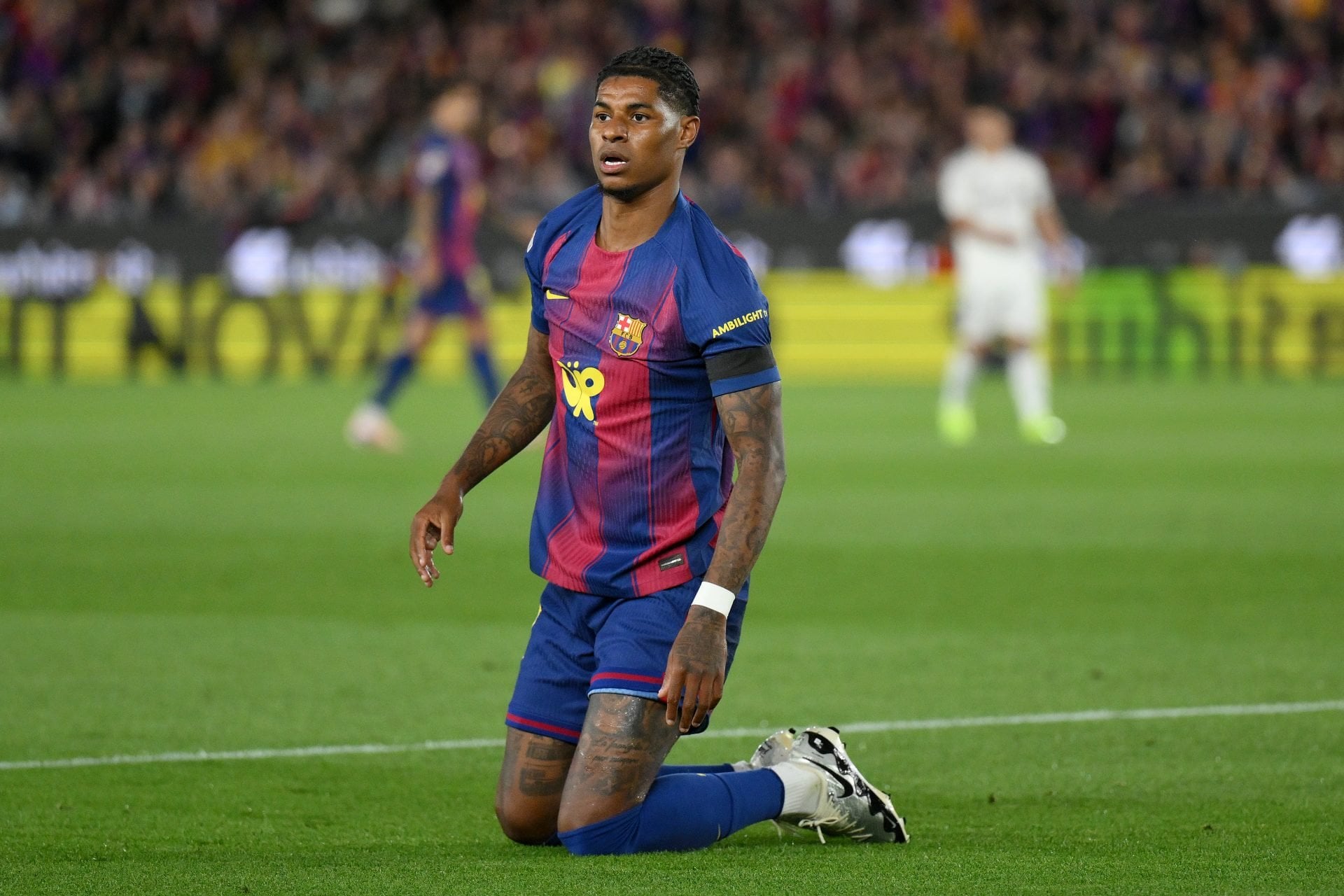
Gordon, the English winger, has landed. His role? A potent, direct attacker capable of playing wide or through the middle. Officially, he’s slated to back up or even compete with Raphinha, injecting fresh legs — and a new tactical dimension. But what no one’s really saying aloud—or at least not yelling from the rooftops—is how this plays into the precarious position of Marcus Rashford, whose loan stint has concluded, leaving his long-term future in Catalan hands far from settled.
Because, make no mistake, while Gordon fills a clear need, his presence intensifies the question mark hanging over Rashford. The Mancunian’s season-long loan saw him integrate, sometimes awkwardly, sometimes brilliantly. He didn’t always fit the intricate, possession-based Barcelona mold immediately, but he had moments. Plenty of ’em. He produced a respectable tally: eight goals and seven assists in La Liga alone, per statistics cited by ESPN, complemented by five goals and three assists in the UEFA Champions League. Not bad for someone finding his footing in a new country, a new system. It shows he’s a player with genuine clout, with significant market interest globally—even from places like Karachi, where fans avidly track European league performances, influencing club appeal far from their home soil.
So, the club wants him. But do they want him at any price? Nah. Not Barcelona, not now. They’ve already pulled off financial miracles — and some questionable accounting to stay competitive. Sources close to the club indicate that while Barcelona rates Rashford’s output and skillset, they view Manchester United’s asking price of €30 million as, shall we say, a bit rich for their current blood. “Look, we’re building for the future, but we’ve got to be smart about it,” one Barcelona executive, who requested anonymity to speak candidly about ongoing negotiations, told Policy Wire. “Every Euro counts, especially in this market. Anthony brings something special. Marcus did too, but the economics have to align.”
And that’s the rub, isn’t it? Football isn’t just about athletic prowess; it’s a global commodities market. It’s an exercise in hard-nosed negotiation. “United knows Rashford’s market value. His contributions speak for themselves,” offered veteran football agent Ahad Khan, who has brokered deals involving players across Europe and the Middle East. “You can’t expect a top player, especially one proven in European competition, to come cheap. It’s not personal; it’s business. Clubs are just trying to maximize their assets.” This isn’t just about two clubs haggling; it’s a microcosm of the intense financial rivalries where strategic gambits often fail to disrupt established power structures.
Despite Gordon’s arrival—a clear strategic move—Barcelona insists Rashford’s situation is being handled independently. It’s almost a rhetorical sleight of hand. Because, logically, an additional attacker in the very positions Rashford occupies inherently complicates his permanent acquisition. But hey, in football, logic often takes a backseat to necessity — and the endless art of the deal.
What This Means
This Barcelona predicament is less about individual players and more about the delicate balance between sporting ambition, commercial viability, and outright financial survival for elite European football clubs. These aren’t just sports teams; they’re multinational enterprises, competing not only for silverware but for billions in broadcasting rights, sponsorship deals, and global fan engagement.
The constant pursuit of high-profile talent like Rashford or Gordon isn’t simply about upgrading the roster. It’s a calculated effort to maintain brand visibility in emerging markets, sustain merchandise sales in regions stretching from Southeast Asia to the Persian Gulf, and ensure continued dominance in a landscape where rivals like Real Madrid or the English Premier League giants wield colossal spending power. A club’s ability to attract — and retain players directly impacts its commercial appeal. how a club manages its roster, especially with loaned players, can have broader implications, reflecting the subtle art of player valuation—a sphere where algorithms meet intuition, and agents can bend the market. The situation illuminates the global implications of such deals, reaching far beyond the playing field to impact club financials, fan bases, and even national prestige. For Barcelona, every signature, every hesitant negotiation, writes another chapter in a never-ending saga of global capital, sporting theatre, and sheer economic will.