

Albuquerque’s Quiet Crisis: A Housing Trap Unfolding on Shifting Sands
POLICY WIRE — Albuquerque, N.M. — It’s often the unspoken details that paint the bleakest picture. Not the raw numbers, initially, but the quiet admission that a city’s goodwill is becoming its...

POLICY WIRE — Albuquerque, N.M. — It’s often the unspoken details that paint the bleakest picture. Not the raw numbers, initially, but the quiet admission that a city’s goodwill is becoming its heaviest burden. Albuquerque, New Mexico, a city often praised for its resilience, finds itself wrestling with precisely this—an unexpected consequence of simply trying to help, making it a reluctant magnet for those left without shelter in its broader region.
See, it turns out being the only place with a lifeline can be a tough gig. Folks from surrounding communities, without options for shelter or essential services back home, have naturally migrated to the Duke City. That’s an understandable human instinct, right? Go where there’s a chance. But it means the municipality is taking on far more than its share of a rapidly expanding statewide crisis. And now, the city’s trying to juggle this influx with an already-ballooning local issue. [QUOTE_PLACEHOLDER]
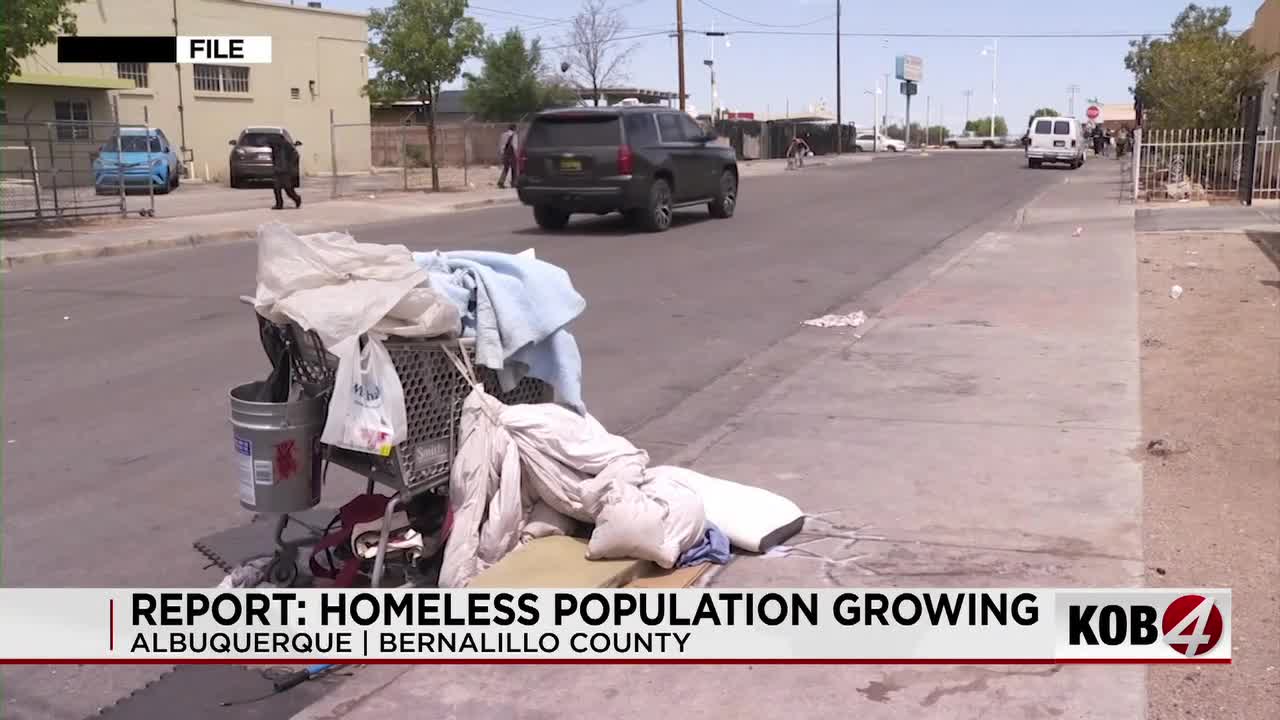
The numbers, when you get to them, are stark enough to cut through the desert air. A state report released recently laid it bare: homelessness in New Mexico ain’t just rising, it’s surging. Bernalillo County—Albuquerque’s home—has seen its unhoused population virtually double in a mere two years. And right there in Albuquerque proper? An 83% jump. Think about that for a second. An 83% increase isn’t just a trend; it’s an avalanche. By 2022, across the state, we’re talking more than 10,000 individuals living without a roof over their heads, concentrated heavily in places like Bernalillo, Dona Ana, and Santa Fe counties.
It’s a perfect storm, isn’t it? City officials point fingers at the usual suspects—housing costs that keep climbing, an inflation rate eating into every paycheck, stagnant wages, and gas prices that make getting to a job a luxury many can’t afford. Those aren’t just local gripes; they’re symptoms of an economic reality many Americans are waking up to with a jolt every single day.
But then, city hall’s response—that the economic factors are increasing faster than the funding to go in and fix the problem is coming in—does little to soothe nerves, sounding like a familiar refrain from politicians the world over, regardless of the crisis. Still, Jennifer McDonald, from Albuquerque’s Health, Housing — and Homelessness Department, doesn’t throw in the towel. She’ll tell you the money the city *has* gotten, has been put to work. The money that the city of Albuquerque has received has gone to programs. Some of them are very new.
New isn’t always enough when the floodwaters keep rising. McDonald points to fresh initiatives. She states: Our men’s program just opened in October. Our respite program just celebrated its year anniversary. Good, tangible steps, certainly. Yet, the current problem feels more like a structural crack than a leaky faucet.
And there’s that unavoidable truth: when surrounding communities don’t have anywhere for their vulnerable residents to go, the responsibility—and the humanity—often falls on the nearest city with any kind of infrastructure. McDonald confirms this stark reality: So when you talk about the homeless numbers in Albuquerque, especially central New Mexico, our surrounding communities don’t have shelter or services. That means, by default, Albuquerque bears the brunt of that burden by being the one that has the services for people to go to. And so I think that makes it a little bit harder for us. It’s an inconvenient truth for regional planning, an uncomfortable lesson in resource distribution.
Because ultimately, these aren’t just statistics. They’re neighbors. They’re families. And solving it? Well, it takes more than just good intentions. The report itself notes a gaping need: New Mexico needs up to 40,000 additional rental units for low-income residents, according to its findings. That’s a target number so high it practically screams systemic failure. McDonald says the city’s working with Bernalillo County, hoping to move 1,000 folks off the streets — and into housing. A commendable goal, to be sure, but a single drop in a very large, parched bucket.
What This Means
This situation isn’t just about Albuquerque; it’s a micro-drama playing out on a national stage, mirroring broader economic instability that extends far beyond New Mexico’s borders. The forces driving people into homelessness here—unchecked housing costs, inflation’s relentless grip, inadequate wages—are the same forces causing unease in every urban center. Politicians might call for local solutions, but these are global currents. Consider rapidly urbanizing centers across the Muslim world, from Lahore to Dhaka, where informal settlements swell as rural populations migrate seeking opportunity, only to find housing markets rigged against them and social services stretched thin. The challenge in these burgeoning megacities, often dealing with millions displaced by climate change or economic downturns, presents a far vaster, more complex version of Albuquerque’s struggle for resources and infrastructure. It’s a harsh reminder that economic resilience — and urban planning are truly transnational concerns. Ignoring the ripple effects of insufficient affordable housing isn’t just a moral failing; it’s an economic ticking time bomb that impacts everything from public health to social stability. This local report, then, serves as an inadvertent barometer for economic anxieties brewing everywhere, highlighting a fundamental struggle: can governments keep pace with capitalism’s most relentless, unsparing tides? For Albuquerque, like many cities, the current answer seems to be, ‘Not quite.’
But the political implications run deeper. When a city, for its very compassion, becomes burdened, it incentivizes neighboring jurisdictions to avoid establishing their own services. This ‘race to the bottom’ mentality on social welfare creates regional imbalances and strains inter-governmental cooperation. It’s a lose-lose scenario that politicians routinely fail to address effectively, creating political footballs out of human suffering. as cities grapple with growing unhoused populations, calls for stricter ‘anti-camping’ ordinances often follow, leading to increased criminalization of poverty instead of tackling its root causes. That’s not just a band-aid; it’s adding insult to injury.
And let’s not forget the sheer drain on public coffers. Addressing the symptoms—emergency services, increased policing, clean-up operations—far outweighs the cost of preventative measures like affordable housing development and mental health support. It’s an economic illiteracy of the highest order. Meanwhile, global economic factors, like fluctuating energy prices and supply chain woes, compound these local challenges, ensuring that every crisis is, in part, a global one. The struggles in Albuquerque underscore the urgent need for a cohesive national, and even international, strategy to address housing insecurity and its drivers, lest more cities become, through no fault of their own, unwilling recipients of an unbearable burden.