

Pretoria’s Immigration Hammer Falls: Ramaphosa Tightens Borders Amidst Mounting Tensions
POLICY WIRE — Pretoria, South Africa — The air in South Africa has been thick with apprehension for months, a simmering stew of economic anxiety and social division that’s finally boiled over....

POLICY WIRE — Pretoria, South Africa — The air in South Africa has been thick with apprehension for months, a simmering stew of economic anxiety and social division that’s finally boiled over. It’s not just the everyday grind; it’s the frustration bubbling through urban centers, occasionally erupting into xenophobic flashes. Against this backdrop, President Cyril Ramaphosa stepped into the spotlight, not to quell the flames directly, but to declare an uncompromising posture on border control.
His recent pronouncement—a muscular, new crackdown on undocumented migrants—might feel like a policy shift, but really, it’s an acknowledgement of a problem that’s been brewing for ages. An electoral move, maybe, to appease a weary populace ahead of looming general elections where everything— jobs, security, dignity — is on the ballot. And honestly, it sounds like he’s tired of the finger-pointing, or perhaps more accurately, he’s channeling it.
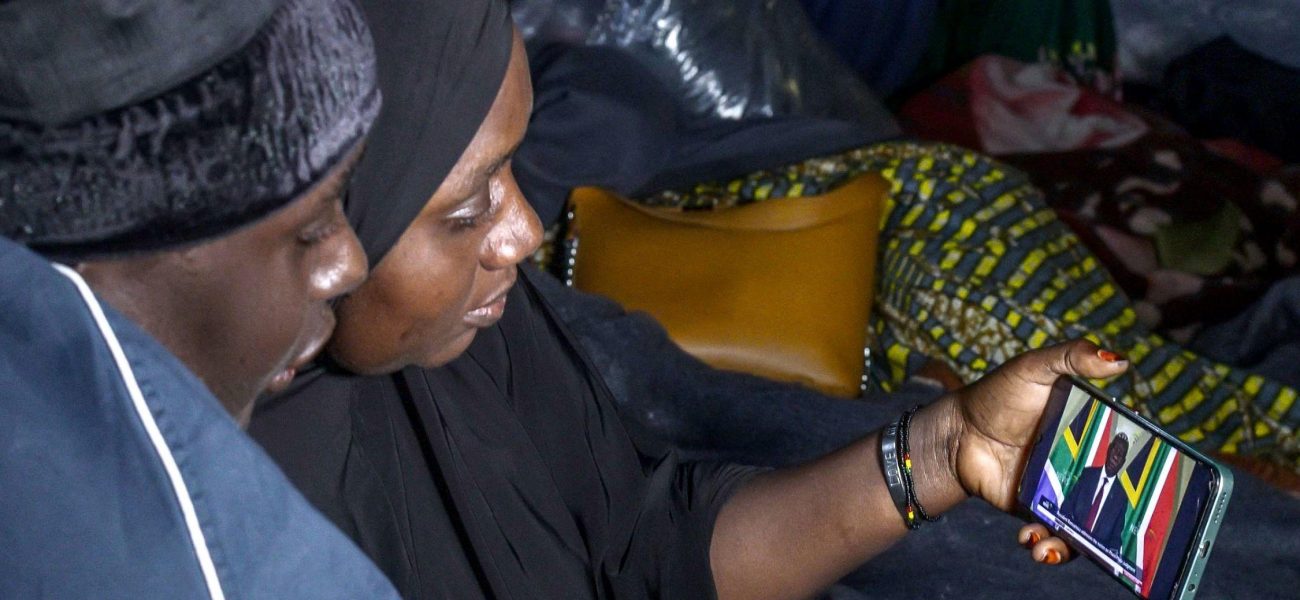
Ramaphosa didn’t mince words during his address from Pretoria. The President articulated a suite of measures designed to reinforce the nation’s porous boundaries, expedite deportations, and impose harsher penalties on any business owners caught employing individuals without the proper papers. The objective? Clear — and unambiguous: reasserting state authority. [QUOTE_PLACEHOLDER] he declared. It’s a statement that rings familiar, doesn’t it? Echoes similar rhetoric from Ankara to Washington, and yes, even in Islamabad, where governments wrestle with cross-border movements and refugee crises.
It’s not just a notion either. The numbers, or what passes for official counts in this murky realm, are startling. Authorities estimate around 3 million undocumented migrants currently call South Africa home, a population that has [QUOTE_PLACEHOLDER] by 15% in the last two years, according to data the Department of Home Affairs recently leaked to local outlets. That’s a staggering increase, if true. It paints a picture of a system, or lack thereof, struggling under pressure. The public mood, predictably, has grown sour, fueling resentment that manifests in various, often ugly, ways.
Critics, of course, have been quick to pounce. They argue the measures, while presented as a pragmatic move, will likely—and perhaps deliberately—target the most vulnerable segments of the population. Folks fleeing chaos, economic desperation, or just trying to carve out a meager existence. They worry it will disproportionately affect individuals from neighboring countries. But it’s not just neighboring nations. Consider the global picture; in countries like Pakistan, for instance, dealing with decades of Afghan refugees has strained resources and often stoked similar debates about national identity versus humanitarian obligation. The pressures are remarkably consistent, just with different accents.
Ramaphosa, though, was unwavering. [QUOTE_PLACEHOLDER] A firm hand, indeed. He even floated the notion of working with regional partners — because no country, even one with South Africa’s formidable regional standing, can tackle such a sprawling problem in isolation. But collaboration’s always tougher than it sounds, particularly when capacity is stretched thin and resources are perpetually lacking.
📄 POLICY WIRE WHITEPAPER PUBLISHED: PAKISTAN'S NATIONAL SECURITY POLICY PRIORITIES
👉 READ BY CLICKING HEREThe practical hurdles here are substantial. South Africa’s track record with implementing large-scale, complex initiatives isn’t exactly stellar. Previous attempts at managing migration have stumbled, caught between bureaucracy, corruption, and the sheer scale of human movement. But this time, it feels different. There’s a sharp edge to the rhetoric, a perceived urgency that perhaps reflects the desperation within his own ruling party to maintain its grip on power. It’s political theatre, yes, but with very real, human consequences.
This crackdown, make no mistake, isn’t happening in a vacuum. It’s part of a wider trend that’s got politicians from Europe to Asia scrambling. They’re all wrestling with migration’s complexities, economic jitters, and the increasingly loud siren song of nationalist sentiment. South Africa isn’t immune; it’s simply finding its own way to deal with the pressure, consequences be damned.
What This Means
From a political standpoint, President Ramaphosa’s move is a naked, albeit perhaps necessary, play for the center ground, aiming to assuage local voters deeply worried about economic scarcity. It signals a capitulation to populist anxieties, which, while politically shrewd in the short term, risks deepening the country’s humanitarian crisis. The economic implications are multifaceted: while the government aims to reclaim jobs for citizens, such aggressive crackdowns often disrupt informal economies where migrants are concentrated, potentially shrinking labor pools for certain low-wage sectors and hindering overall growth. Historically, when countries get tough on migrants, it can just push labor underground, creating a new set of problems. such policies risk alienating South Africa’s regional neighbors—key trading partners—whose citizens will be directly impacted. This also doesn’t exist in isolation; governments worldwide are feeling this exact pinch. Take Pakistan’s high-wire act managing Afghan refugee flows and border disputes. It shows how profoundly intertwined national policy — and regional stability can be. Pretoria’s challenge isn’t just about managing borders; it’s about managing public perception, national dignity, and the harsh realities of a continent on the move.