


LA28 Olympic Dreams or Economic Machine? The August Ticket Gauntlet Looms Large
POLICY WIRE — Los Angeles, California — Forget the athletes; the real Olympic sport these days might just be navigating the Byzantine digital labyrinth erected by organizers to part hopeful...

POLICY WIRE — Los Angeles, California — Forget the athletes; the real Olympic sport these days might just be navigating the Byzantine digital labyrinth erected by organizers to part hopeful spectators from their cash. In just weeks, a fresh scrum for tickets to the Los Angeles 2028 Summer Games begins anew, a meticulously choreographed exercise in supply, demand, and manufactured exclusivity. It’s not about watching records shatter yet, but about cracking the code to simply get in the door.
After what LA28 organizers trumpeted as “the most successful ticket launch in Olympic history” back in April — some four million tickets vanishing in that initial flurry — the global masses are being herded once more. Come August 10, another window will swing open. Don’t call it easy, though; this isn’t a free-for-all. Instead, it’s a tiered, email-notified, randomly-selected, time-slot-allocated affair designed to maximize buzz and, frankly, profits. You’ve got until July 22 to register at tickets.la28.org if you want even a theoretical shot. Qualify for a Visa cardholder presale? Great, another digital hurdle between July 29-31 awaits you there. It’s a process, alright.
And let’s be frank: the whole spectacle, even four years out, feels less like a celebration of amateur spirit and more like a carefully calibrated commercial enterprise. That’s not a critique, it’s just the reality. The International Olympic Committee (IOC) runs a tight ship, an expensive one, — and host cities, L.A. included, sign up for a deal that requires significant financial wizardry. “We’re building an experience, not just selling seats,” explained Kathy Schirmer, an LA28 Organizing Committee spokesperson, during a recent closed-door briefing. “Every phase, every launch, it’s about engaging a global audience and making sure the Games’ legacy extends beyond just the sporting venues.” Legacy, she says. Perhaps. Or perhaps it’s simply a remarkably effective, multi-year revenue generation machine.
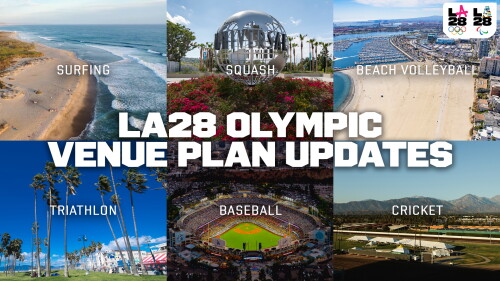
The city’s embrace of this high-stakes venture, despite the notorious economic headaches many previous hosts have endured, speaks volumes about its perceived soft power advantages. Los Angeles has done this before, of course, back in ’84, widely hailed as a financial triumph. But this isn’t your grandfather’s Olympics. They’re slated to host 353 medal events, a record number, with venues sprawling from Hollywood Hills’ shadow to the surf-washed beaches near Trestles, and even as far afield as Oklahoma City for softball and canoe slalom. But even with all that capacity, tickets remain a hot commodity. Because, you know, it’s the Olympics, — and people really want to be there.
Consider the broader canvas. While much of the Western world debates ticket access and price points, the inclusion of cricket for the 2028 Games holds a particular resonance for millions across South Asia and the Muslim world. It’s a strategic move, undeniably, tapping into an enormous viewership previously underrepresented in the Olympic economic schema. “The energy around cricket’s return has been palpable, especially from our counterparts in places like Pakistan and India,” remarked Omar Zahid, a consultant working on international engagement for LA28. “It’s not just another event; for them, it’s a window for their athletes onto a truly global stage, and a potential financial boon for teams that often struggle for wider recognition. It fundamentally changes the calculus for millions of potential viewers and participants.” It’s a calculated play for eyes, ears, and, yes, sponsorship dollars from a burgeoning market.
Those who couldn’t snag tickets the first time around — or weren’t even selected in the digital lottery for a purchase slot — needn’t despair entirely. They’re automatically rolled into future drops. Organizers have set a cap, presumably to prevent scalping frenzies, allowing a maximum of 12 tickets for most events, with a tighter four-ticket limit for the glitzy opening and closing ceremonies. Soccer matches, surprisingly, fall outside this cap, allowing another 12 to be purchased, reflecting their distributed nature across the country.
📄 POLICY WIRE WHITEPAPER PUBLISHED: PAKISTAN'S NATIONAL SECURITY POLICY PRIORITIES
👉 READ BY CLICKING HEREIt’s all part of the machine, one that’s getting incredibly good at monetizing anticipation. By 2027, they’re even launching a “secure, multi-platform ticket resale network.” It’s official: your Olympic dreams are now an actively managed, publicly traded asset. You’ve got to hand it to them; it’s quite the operation.
What This Means
The current ticketing strategy for LA28 isn’t merely about selling access; it’s a sophisticated psychological operation designed to drive engagement, manage demand, and generate maximum revenue years in advance. The phased rollout, lottery system, and preferential access for partners like Visa are straight out of a modern corporate playbook. For Los Angeles, securing these Games means a massive infrastructural undertaking and a potential economic shot in the arm — estimates typically range in the billions of dollars in economic activity, though the net benefit after costs is often contentious. The real question is how much of this purported economic benefit actually trickles down to the everyday Angelenos, and how much is siphoned off by global corporations and event infrastructure companies. Because that’s the rub, isn’t it? The spectacle is for all, but the profits? They tend to aggregate at the top.
The inclusion of cricket is a masterstroke in terms of market expansion, directly addressing criticism that the Olympics hadn’t adequately captured audiences in some of the world’s most populous regions. This could open doors for new broadcast deals and sponsorship opportunities from countries whose primary sporting allegiance lies outside the traditional Olympic core. It’s an aggressive move by the IOC, not just LA28, to ensure its commercial longevity. Expect to see similar strategic inclusions in future Games — it’s not about sport purity; it’s about reach. And right now, that reach is being measured, meticulously, by how many click-throughs and credit card transactions their digital gauntlet can sustain.