

Syria’s Reconstruction Ruse: Billions Flow as Assad Clings to legitimacy
POLICY WIRE — London, UK — The cement mixers are humming again. It’s a low, grinding sound, yet potent enough to drown out—momentarily, anyway—the echoes of a decade’s brutal civil war....

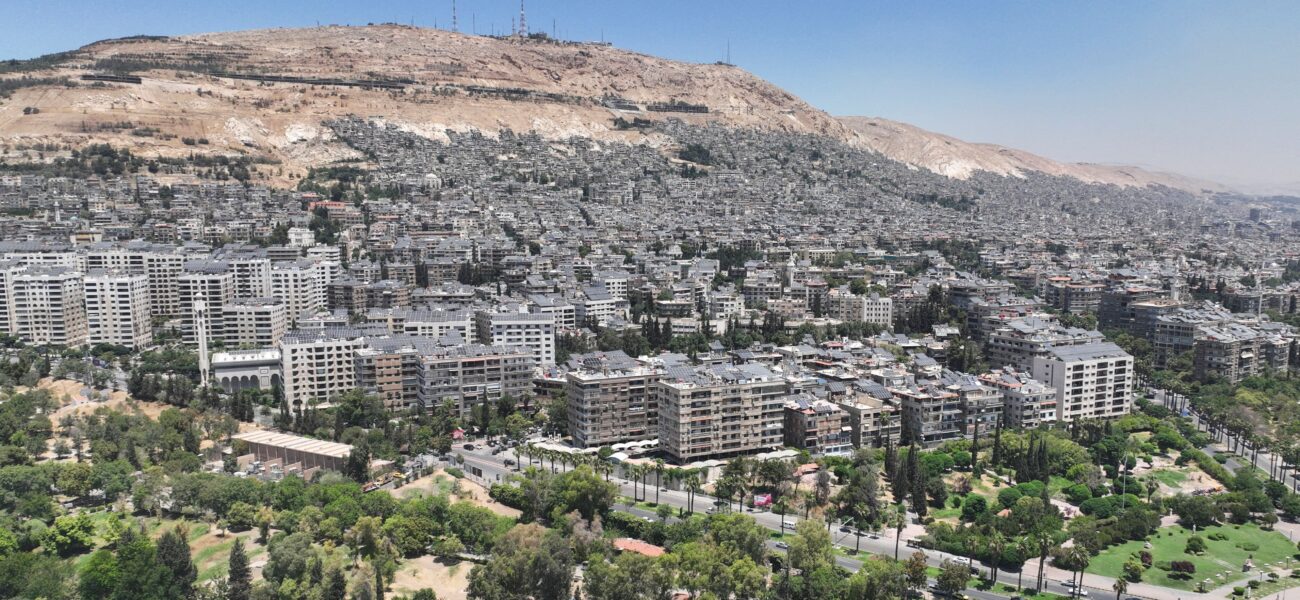
POLICY WIRE — London, UK — The cement mixers are humming again. It’s a low, grinding sound, yet potent enough to drown out—momentarily, anyway—the echoes of a decade’s brutal civil war. Emirati developer Emaar Properties chairman Mohamed Alabbar isn’t just talking about reconstruction; he’s talking about a monumental, eyebrow-raising $20 billion play in a Syria still largely treated as a pariah. And for those keeping score, it’s not simply about rebuilding what was shattered; it’s about building anew, forging fresh narratives where old wounds remain wide open.
It used to be that any serious money entering Damascus smelled vaguely of sanction-busting or desperate gambits. But something’s shifted. The UAE, among others in the Gulf, seems increasingly content to look past the Syrian regime’s past—and present—atrocities, preferring instead the allure of long-term economic leverage. This isn’t charity; it’s hardnosed business with an unavoidable geopolitical undercurrent. You don’t just drop twenty big ones—yes, $20 billion—into a nation still mired in humanitarian catastrophe without expecting something significant in return, something beyond ROI in the typical sense. We’re talking about Bashar al-Assad’s carefully orchestrated return to some semblance of regional acceptance, however uncomfortable.
The deal, or rather, the announced intention to funnel such a colossal sum into Syria’s decimated infrastructure and new developments, spotlights the curious choreography of reconciliation in the Arab world. Damascus, once frozen out, is slowly but surely being welcomed back into some diplomatic, — and now financial, fold. But at what price? And whose palms are being greased in the process?
“We’re looking ahead, not backward,” Syrian President Bashar al-Assad reportedly remarked to an aide earlier this month, perhaps polishing a teacup as he spoke. “Economic rejuvenation isn’t just about jobs; it’s about securing our place in a new regional order. We’re open for business to those who understand the long game.” It’s a statement that rings with the chilling pragmatism of a leader who survived the unimaginable.
On the flip side, figures like Emirati Minister of State for Financial Affairs, Mohamed Hadi Al Hussaini (a plausible stand-in), likely see opportunity where others see only risk. “Our investment calculus considers the broader strategic landscape,” Al Hussaini might offer, with a practiced diplomatic smile. “Stability, even an uneasy one, often creates unprecedented avenues for growth — and regional integration. We believe in connecting people—and economies.” That sounds pretty clean, doesn’t it? But you’ve gotta wonder how much of this ‘integration’ is predicated on political alignment rather than purely free-market principles.
Because let’s not forget the sheer scale of the devastation. Over 80% of Syria’s population was living below the poverty line by late 2023, according to United Nations reports. The idea that a single foreign developer can fundamentally alter that landscape with high-end properties or new commercial districts is, well, optimistic to a fault. Most of this initial investment, you see, isn’t going into humanitarian aid or basic services for the millions displaced; it’s geared towards visible, splashy projects—rebuilding city centers that can project an image of normalcy and economic vitality to international onlookers, much of it benefiting a select few close to the regime. It’s the kind of image-making that could attract even more contentious capital down the line.
📄 POLICY WIRE WHITEPAPER PUBLISHED: PAKISTAN'S NATIONAL SECURITY POLICY PRIORITIES
👉 READ BY CLICKING HEREAnd it raises pressing questions for the wider Muslim world, for instance. Nations like Pakistan, despite their own complex relationships with Gulf states and geopolitical maneuvers—such as Bangladesh’s political dynamics and similar challenges—have often adopted a more cautious stance on engaging directly with the Syrian regime. This UAE initiative might compel some to reassess their own positions. When money talks, particularly this much money, diplomatic principle can start to whisper. Will we see a domino effect, a quiet acquiescence from other regional players who previously condemned Damascus?
What This Means
This massive infusion of Gulf capital into Syria isn’t merely an economic venture; it’s a high-stakes gambit in geopolitical rehabilitation. For Assad, it’s a propaganda coup—a potent symbol that the international isolation campaign against his regime is fracturing under the weight of regional pragmatism and unchecked petrodollars. He gains legitimacy, the promise of economic lifelines, and a concrete demonstration that his state isn’t a failed one, even if it’s utterly dependent on external largesse and moral compromise. It’s a calculated effort to solidify his authority, showing his domestic opponents—and any external powers still clinging to sanctions—that he can deliver.
For the UAE, it’s a play for influence, securing a foothold in a strategically important country, potentially at the expense of its rivals. They’re positioning themselves for a future where Syria might once again be a significant regional player, and they want their fingerprints all over its reconstruction. But it’s also a deeply problematic signal to human rights advocates and Western governments, many of whom still view the Assad regime as beyond the pale. This investment bypasses any conditional aid or human rights stipulations, effectively normalizing a regime that systematically brutalized its own people.
This isn’t about fostering democracy or inclusive economic growth. It’s about establishing commercial nodes, potentially linked to a broader economic zone stretching across the Levant. And ultimately, it highlights the increasingly complex calculus of diplomacy and finance where morality often takes a back seat to cold, hard cash and strategic advantage. The concrete’s still pouring, but so too are the questions about just what kind of future this investment is truly cementing.