


Phuket’s Latest Jewel Box: IHG’s Voco Entry Raises Familiar Questions on Paradise’s Price Tag
POLICY WIRE — Bangkok, Thailand — The endless cycle of reinvention for paradise marches on, this time with a new banner unfurled over Patong Beach. Another multinational lodging behemoth,...

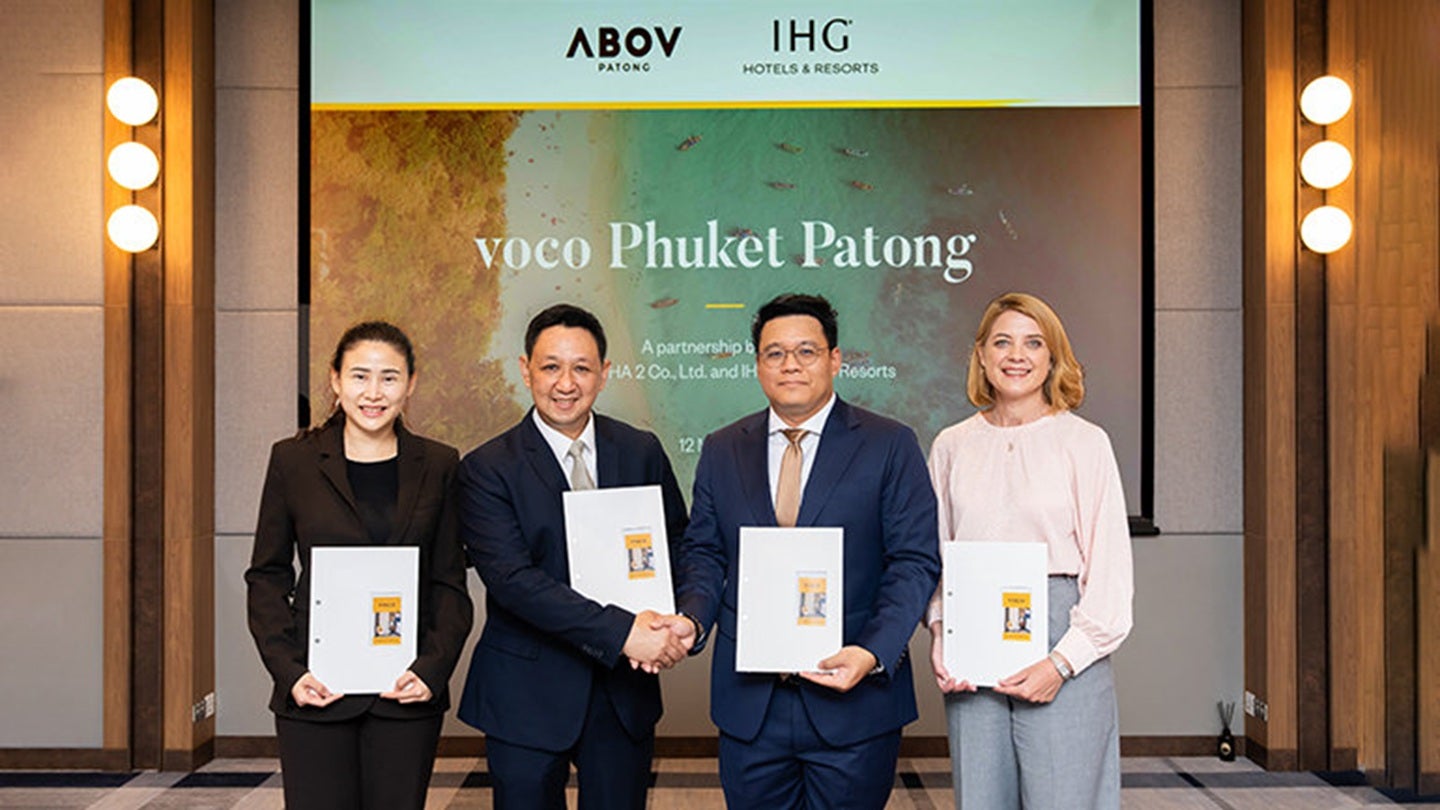
POLICY WIRE — Bangkok, Thailand — The endless cycle of reinvention for paradise marches on, this time with a new banner unfurled over Patong Beach. Another multinational lodging behemoth, InterContinental Hotels Group (IHG), has just announced its fresh footprint in Phuket, Thailand. It’s the brand’s first ‘voco’ hotel on the island, poised to slot neatly into the increasingly crowded — and profitable — landscape of high-end resorts. They’re betting, it seems, that Phuket’s allure remains impervious to economic headwinds or, for that matter, good sense regarding overdevelopment. It’s a tired play, but one that somehow always finds its audience.
But scratch beneath the polished veneer of brochures depicting infinity pools and palm-fringed vistas, and you’ll find the same familiar currents tugging at the foundations. Foreign capital, domestic ambitions, and the delicate balancing act between attracting tourist dollars and preserving what’s left of the natural environment. Thailand, perpetually caught in this lucrative dance, rarely gets a moment’s rest.
“We’ve observed the market’s remarkable resilience here, particularly in destination-rich areas like Phuket,” remarked a confident Paul Salva, IHG’s Senior Vice President of Operations for Southeast Asia, his voice presumably echoing from a comfortable corporate lounge. “It isn’t just about bouncing back; it’s a deeper recalibration of travel patterns. Our voco brand, with its distinctive flair and commitment to sustainability initiatives—well, it’s positioned to capture those evolving preferences among discerning global travelers. The foundational draws of sun, sand, and impeccable service don’t change, but traveler expectations certainly do.” A corporate truism, if there ever was one. It almost makes you forget about the construction waste — and the carbon footprint of all those international flights.
Because ultimately, these aren’t just hotels; they’re intricate financial vehicles, driving flows of money, labor, and — let’s be honest — dreams. The new voco Phuket Patong represents more than just 241 new rooms; it signals ongoing confidence in Thailand’s capacity to absorb ever more upscale tourism. And why not? It’s been working for decades, despite all the doomsaying.
A recent report by the Thai Ministry of Tourism and Sports indicated that arrivals for the first quarter of this year already topped 9 million, an uptick of approximately 34% year-on-year. Those aren’t small numbers, folks. They mean flights booked, taxis hailed, — and many, many coconut shakes consumed.
“Yes, external investment is always welcomed, especially when it creates opportunities for our people,” stated Supannee Charoensri, a high-ranking official within the Thai National Tourism Office, perhaps with a slight weariness in her tone. “We continually strive to strike a balance between economic expansion and safeguarding our precious ecological treasures. But let’s be frank: employment generation is our overriding concern right now. These expansive projects, they don’t just fill beds; they literally put food on countless tables, from hotel staff to local vendors. It’s a complicated, sometimes contradictory, equation.” It’s the standard political line—jobs over coral reefs—and it’s hard to argue with when livelihoods are on the line.
This voco venture arrives as Phuket, — and indeed the broader Southeast Asian tourism sector, faces a fascinating pivot. Traditional European and North American markets remain crucial, but the emerging economies of the Middle East and South Asia are increasingly shaping demand. Tourists from Saudi Arabia and the UAE, alongside a burgeoning middle class in nations like Pakistan and Bangladesh, are now significant players, seeking not just luxury but also family-friendly options, privacy, and, at times, culturally sensitive offerings. Developers can’t ignore these changing demographics. And if that means a new wing with larger suites or more private dining, they’ll build it.
And these capital injections? They feed a beast hungry for development, not just in prime tourist spots but also in ancillary industries that stretch back through supply chains, all the way to laborers—many of whom are migrant workers from countries like Myanmar and Cambodia, sometimes Pakistan—working long hours to build these monuments to leisure. It’s an inconvenient truth glossed over by pretty brochures.
What This Means
This isn’t just another hotel; it’s a barometer. IHG’s commitment to Phuket reflects a calculated risk by global hospitality giants that Thailand’s long-term tourism trajectory remains steeply upward, despite all the clamor about climate change and social inequality. The decision also implies that despite calls for more ‘responsible’ tourism, the luxury segment continues to offer irresistible profit margins. That’s a political hot potato, often discussed in hushed tones behind closed doors, because politicians, too, understand the allure of a big tax base.
Economically, it funnels foreign exchange, but at what true cost to the local environment — and small businesses? Smaller, locally-owned establishments often struggle to compete with the vast resources and brand recognition of groups like IHG. It’s a zero-sum game for some. Politically, the Thai government, always keen on maintaining robust GDP figures, likely views such investments as a clear win. They’ll cite job creation figures and foreign direct investment numbers, neatly sidestepping uncomfortable conversations about urban sprawl or carbon footprints.
This relentless drive for expansion in destination hotspots like Phuket isn’t unique to Thailand; we’ve seen similar patterns play out in Dubai, in the Maldives, and in ambitious, state-funded mega-projects like Saudi Arabia’s NEOM, which itself seeks to redefine luxury and scale on an entirely different — some would say delusional — level (Mirage or Masterpiece? Saudi Arabia’s ‘The Line’ Reconfigures Its Desert Dream). It’s a global phenomenon: the creation of curated escapes for those who can afford them. It raises valid questions, always, about sustainability and equity, questions that seem to echo across all developing economies seeking their place in the sun—and their share of the international tourist dollar.
But the money keeps flowing, — and the hotels keep rising. And so the dance continues, forever chasing the elusive promise of endless, effortless luxury, no matter the consequences. For now, Phuket prepares to welcome another wave of high-spending travelers. Let’s hope its infrastructure—and its soul—can keep up.