

Phantom Peace: Ukraine and Russia Ignite Fresh Blazes Amid Ceasefire Farce
POLICY WIRE — KYIV/MOSCOW — Nobody, it seems, got the memo. Not the soldiers shivering in foxholes, nor the civilians huddling in basements. Because despite the diplomatic murmurs, the quiet chatter...

POLICY WIRE — KYIV/MOSCOW — Nobody, it seems, got the memo. Not the soldiers shivering in foxholes, nor the civilians huddling in basements. Because despite the diplomatic murmurs, the quiet chatter about a temporary truce or even, God help us, a “humanitarian pause,” the battlefield tells a decidedly different story. Artillery volleys still crisscross the scarred landscapes. Missiles still find their marks. You could almost feel the collective sigh of global policy-makers dissolving into the smoke over Bakhmut. The notion of a ceasefire, fleeting at best, evaporated this week under a hail of new bombardments.
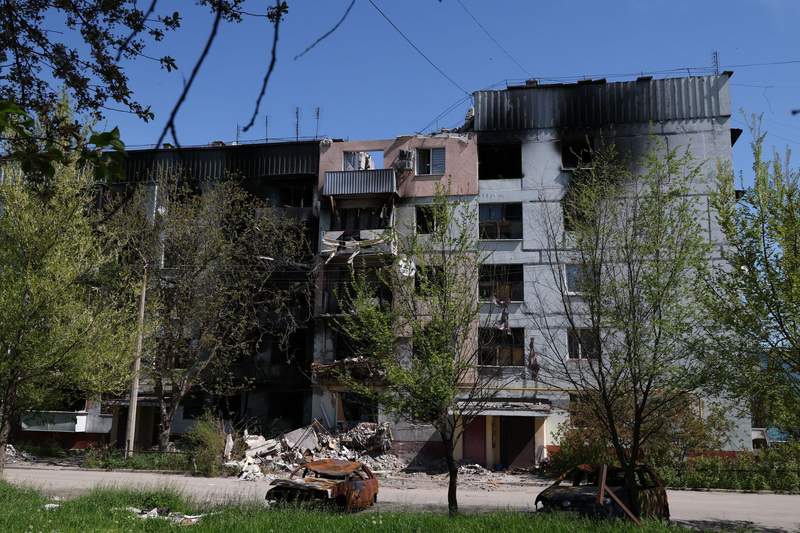
Both Kyiv and Moscow, with their predictable, grim symmetry, are pointing fingers, reporting intensified military operations that mock any pretense of de-escalation. Ukraine’s General Staff laid out its tally: over 70 separate engagements across the eastern front, hitting everything from residential areas to critical infrastructure. Russia, meanwhile, claimed it neutralized numerous Ukrainian drones and struck command posts, framing its actions as purely defensive, even retaliatory. It’s the same old tune, just played louder.
And what do you call a ceasefire when both belligerents simply amp up the violence? It’s a rhetorical question, of course, answered daily by shattered windows — and fresh craters. These aren’t skirmishes; they’re organized, targeted assaults. You’d almost think the very mention of a truce was a signal for a fresh offensive, a sort of grim invitation to take advantage before the (imagined) calm descends.
“They speak of peace, but their actions scream war,” President Volodymyr Zelenskyy’s advisor, Mykhailo Podolyak, told this wire service through a terse statement from Kyiv. “The international community cannot afford to be fooled by cynical theatrics. Our people know the reality; it’s measured in lives lost and towns ruined.” A blunt, direct assessment, isn’t it?
On the flip side, Dmitry Peskov, the Kremlin’s ever-calm spokesman, remained defiant. “Kyiv consistently misunderstands the nuances of engagement. Any escalation originates from their Western-backed provocations,” he remarked to state media. “Russia acts to protect its strategic interests — and its people. That hasn’t changed, nor will it.” A predictable line, indeed, maintaining the narrative of justified counter-action against an aggressor.
Because the consequences of this grinding conflict ripple far beyond the borders of Ukraine — and Russia. Pakistan, a country already navigating precarious economic currents, feels the squeeze directly through volatile global commodity prices. The interruption of grain shipments, the spike in energy costs—these aren’t just line items on a futures market; they translate to empty plates and strained budgets in Karachi and Lahore. South Asian and Muslim-majority nations, often caught between powerful geopolitical blocs, find their food security and development prospects hostage to events unfolding thousands of miles away. According to a UN report from late last year, approximately 345 million people globally are experiencing acute food insecurity, a figure exacerbated by conflicts like this one disrupting critical supply chains and driving up staple prices.
The situation isn’t just about bullets and bombs; it’s about eroding global trust and fracturing diplomatic efforts. Each alleged “ceasefire violation” just makes the next diplomatic overture feel that much more performative. For those following the broader machinations of the conflict, particularly regarding its prolonged nature, it brings to mind the grim analysis on the war machine’s cynical truce – where peace gestures serve as mere pauses between fresh rounds of combat.
What This Means
The recent intensification of attacks, happening under the flimsy guise of a ‘ceasefire discussion’, does more than just prolong the conflict; it severely undercuts any real prospects for meaningful dialogue. For starters, it signals Moscow’s continued intent to achieve its strategic objectives through force, regardless of international pressure or humanitarian pleas. For Kyiv, it deepens the resolve to resist, even as their resources are stretched thinner — and thinner. But it’s not just about the immediate warring parties; this pseudo-ceasefire highlights the fragility of international norms and the limits of traditional diplomacy when faced with a determined aggressor. Economically, this means sustained pressure on global energy markets and food supplies, creating cascading effects that disproportionately hit developing nations. Politically, Western powers are forced into a familiar corner: either escalate aid to Ukraine, risking direct confrontation, or witness its slow, painful erosion. The longer this ‘limbo’ persists, the greater the cynicism, the harder it becomes to genuinely believe in any path towards a lasting, peaceful resolution.
So, the conflict trudges on, measured in grim dispatches — and ever-rising humanitarian costs. A “ceasefire limbo” isn’t peace. It’s just a fancy term for unending war.