


IPL’s Crucible: RCB Faces Market Jitters as Underdog LSG Stirs the Pot
POLICY WIRE — Lucknow, India — Forget the cheerleaders and the pyrotechnics for a moment. Tonight’s Indian Premier League showdown at Bharat Ratna Shri Atal Bihari Vajpayee Ekana Cricket...

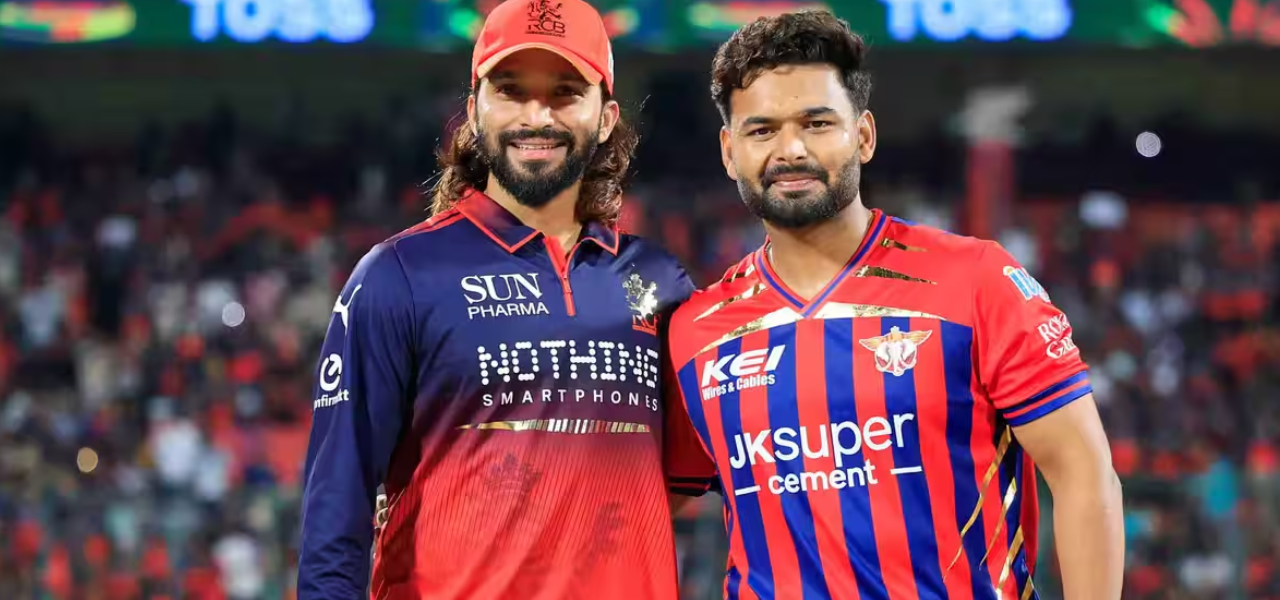
POLICY WIRE — Lucknow, India — Forget the cheerleaders and the pyrotechnics for a moment. Tonight’s Indian Premier League showdown at Bharat Ratna Shri Atal Bihari Vajpayee Ekana Cricket Stadium isn’t just a game; it’s a stark, visceral tableau of commercial aspiration clashing with market forces, a brutal contest that mirrors the larger, often unforgiving, dynamics of South Asian economies. Royal Challengers Bengaluru, a franchise that essentially prints money with its formidable fan base, finds its once-comfortable playoff berth now threatened by a hungry, six-team melee. It’s a predicament many a high-flying enterprise knows all too well: sustained success is never guaranteed, even for the gilded.
What initially felt like a leisurely stroll into the top four for RCB has devolved into a sweaty scramble, forcing the team to re-evaluate its entire strategy. Their Achilles’ heel? Batting first. All three of their defeats this season, surprisingly enough, came when they set the target, suggesting an issue with maintaining scoring momentum when the scoreboard pressure truly bites. And vice-captain Jitesh Sharma’s cold bat certainly hasn’t helped them build those imposing totals. Anand Reddy, a senior marketing strategist for Royal Challengers Bengaluru, didn’t mince words. “The brand value of RCB is immense, you know? But sustained market relevance demands victories. Our investors—and our millions of passionate fans—don’t just expect performance; they demand it. Tonight isn’t just about cricket; it’s about safeguarding that investment, that sentiment.”
On the flip side, we have the Lucknow Super Giants. Bottom of the table, their playoff dreams effectively toast. But here’s the rub: they’re now the ultimate wild card. They’ve shed the suffocating weight of expectation, transformed from hopeful contenders into pure disruptors. Rishabh Pant, LSG’s captain, offered a refreshingly honest assessment after their campaign spiralled. “We’ve definitely struggled for momentum — and luck,” he’d conceded. “You go through patches where nothing clicks. But sometimes, when you’ve got nothing left to lose, you find a different kind of freedom on the field. That can be dangerous for others.” Nicholas Pooran, with his recent return to form, certainly signals that ‘danger.’ He’s demonstrated LSG still has that spark, that match-winning jolt in its arsenal.
The ground itself will add another layer of complexity to this commercial chess match. The BRSABV Ekana Stadium pitch, infamous for its black-soil composition, isn’t going to be a batter’s paradise. Quite the opposite, in fact. It’s slow, it offers grip, and it turns. Spinners — and slower-ball artisans will feast. Think less explosive fireworks, more a grinding tactical battle. And with Lucknow’s temperate evening air – starting warm at 33°C, but chilling down to a comfortable 24°C by game’s end – conditions should remain consistent for bowlers to work their magic. For RCB, finding a way to balance tempo on such a demanding surface will be absolutely crucial *key*.
The historical ledger, by the way, tells a story of dominance, at least in this specific rivalry. Royal Challengers Bengaluru has bested Lucknow Super Giants in five out of their seven previous encounters. That’s a significant 71.4% win rate, a hard statistic suggesting a mental edge, or perhaps, simply better resource deployment over time. But, — and this is important, past performance doesn’t always guarantee future market outcomes, does it? Especially when one team has nothing left but pride to play for. Because in the unforgiving glare of the IPL, today’s comfortable leader can easily become tomorrow’s casualty. The echoes of such battles resonate far beyond the boundary ropes, sometimes even shaping the broader narratives that consume fans from Lahore to Chennai, highlighting how cricket remains deeply entwined with regional identity and pride, a veritable barometer of collective sentiment.
What This Means
This single IPL match, ostensibly a simple sporting fixture, provides a microcosm of India’s robust and often brutal economic landscape, with implications stretching across South Asia and beyond. For Royal Challengers Bengaluru, every misstep now risks not just a playoff spot but also investor confidence and a measurable dip in fan engagement metrics—those crucial, soft power assets for any mega-franchise. It’s a high-stakes gamble where market sentiment can swing wildly with a single six or a dropped catch. Conversely, Lucknow Super Giants, despite their lowly standing, present an intriguing case study: what happens when a team, freed from the crushing burden of expectation, plays purely for passion? Their ability to disrupt established contenders can be interpreted as a parallel to how agile, ‘nothing-to-lose’ entrants in any industry can throw a wrench into the gears of dominant, established players. The sheer financial muscle behind the IPL—which boasts a valuation in the billions—means its outcomes are never truly confined to the playing field. They influence brand endorsements, viewership statistics in massive markets like India and, unofficially, across Pakistan and Bangladesh, and ultimately, the cultural conversation across a significant swathe of the Muslim world. The narratives spun around these matches become part of the everyday fabric, subtly shaping perceptions of success, failure, and resilience in a region utterly obsessed with cricket.