


The Quiet Hum of Return: Australia Grapples with ISIS Legacy on Home Soil
POLICY WIRE — Melbourne, Australia — It wasn’t exactly a ticker-tape parade, was it? No flashing lights, no fanfare—just the hushed thud of wheels hitting runways in Melbourne and Sydney. And...

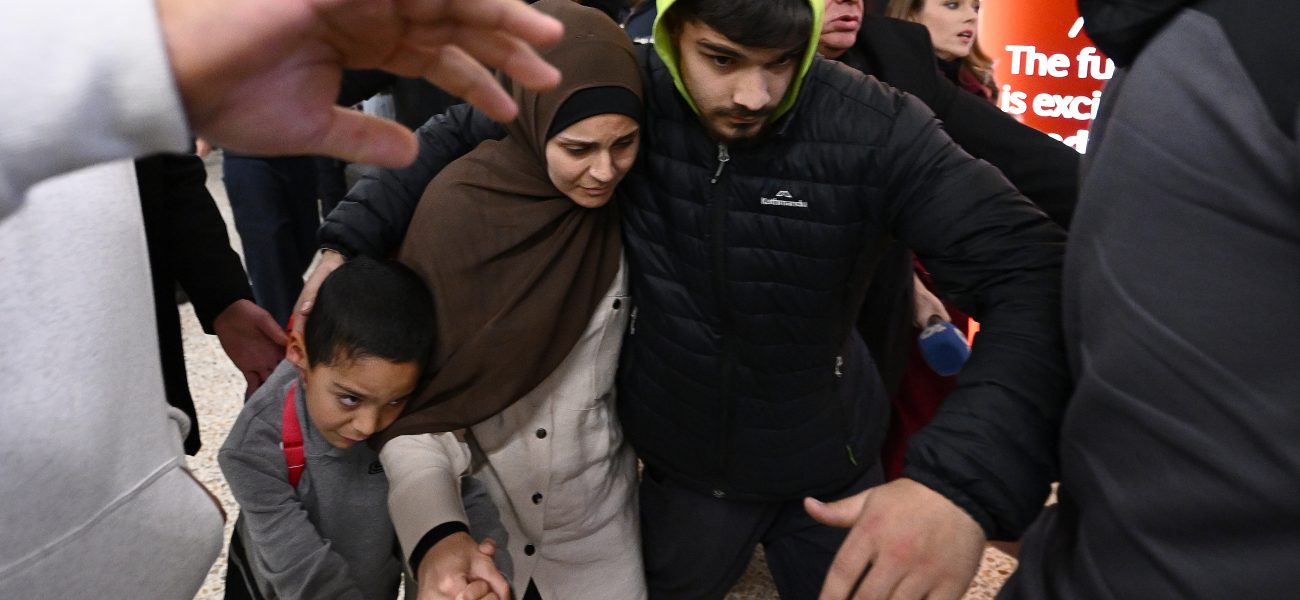
POLICY WIRE — Melbourne, Australia — It wasn’t exactly a ticker-tape parade, was it? No flashing lights, no fanfare—just the hushed thud of wheels hitting runways in Melbourne and Sydney. And then, the discreet disembarkation of nineteen individuals. They weren’t your typical returning tourists. These folks were Australian citizens, yes, but ones allegedly connected to the Islamic State group, coming home from the messy, protracted aftermath of a distant war. It’s a logistical ballet of immense scale and secrecy, played out thousands of miles from the battlefield, now right on Australia’s suburban doorstep.
For years, these men, women, and children have languished—or thrived, depending on who you asked—in the desolate detention camps of northeastern Syria. Al-Roj and al-Hol are names that hang heavy with geopolitical weight, holding what one international watchdog described as a [QUOTE_PLACEHOLDER]. They’re grim, overcrowded places, home to tens of thousands with varying degrees of association with the collapsed caliphate. The sheer complexity of sorting out who did what, who believed what, and who remains a genuine threat has bedeviled governments for what feels like ages.
But the planes came, didn’t they? Two of them, quietly shuttling these repatriates into what Australia’s security agencies undoubtedly deem a more controllable environment. It’s an unenviable situation for any nation, balancing humanitarian obligations with national security fears. The Prime Minister, in carefully worded statements, has consistently emphasized [QUOTE_PLACEHOLDER], and the government insists each case is rigorously assessed, with public safety the [QUOTE_PLACEHOLDER]. One can’t help but observe the tightrope walk: a state must protect its citizens, even those who might have once pledged allegiance to a hostile ideology.
And let’s be real, the public mood is anything but unified. Some corners clamor for swift justice, for accountability, maybe even for these individuals to face their fate in the territories they chose to inhabit. But then there’s the international pressure, the moral argument that abandoning citizens—especially children—in volatile, disease-ridden camps is simply untenable. Australia isn’t alone in this. Countries from across Europe to North America have wrestled with similar dilemmas, repatriating scores of their own with varying degrees of transparency and public acceptance. In fact, by mid-2022, a United Nations Human Rights Office report indicated that only about 30 countries had initiated systematic returns, leaving thousands still in limbo. It’s a global headache, — and Australia’s just bought itself nineteen new aspirin.
This whole situation brings to mind the broader efforts and challenges faced by countries like Pakistan, for instance, which has also contended with the return or potential return of individuals implicated in extremist activities, not least from regions like Afghanistan or the Middle East. It’s a problem that echoes across the Muslim world—how to address individuals who engaged with, or were coerced into, groups that pervert religious principles for political violence. The policy quandary for Islamabad, or Ankara, or indeed Canberra, is chillingly similar: rehabilitate, prosecute, or—as some would argue—contain indefinitely?
The Australian Federal Police — and intelligence agencies will be working overtime. These individuals won’t just waltz back into ordinary life; they’re under strict control orders, monitoring, and de-radicalization programs—the full, bureaucratic apparatus. It’s a security blanket meant to assuage a nervous populace, a demonstration that the state hasn’t gone soft. And that, in itself, speaks volumes about the delicate political tightrope policymakers have to walk these days.
📄 POLICY WIRE WHITEPAPER PUBLISHED: PAKISTAN'S NATIONAL SECURITY POLICY PRIORITIES
👉 READ BY CLICKING HEREWhat This Means
This repatriation marks a significant, if quiet, inflection point for Australian domestic policy and its posture on international security. Politically, it’s a calculated gamble: the government’s betting that it can manage the inherent security risks effectively, all while demonstrating adherence to international norms regarding citizen repatriation. If successful, it defuses a ticking humanitarian time-bomb in Syria while removing a long-standing point of international criticism. But a single security lapse—even a minor one—could quickly unravel that political goodwill and trigger public backlash. Economically, it means a redirection of substantial resources towards intelligence, law enforcement, and potentially, social programs for reintegration. That’s a costly, long-term investment, the returns on which are anything but guaranteed.
It also sets a precedent for future repatriations. Whether this will lead to a more consistent, proactive strategy for other Australians still overseas remains to be seen. From a geopolitical standpoint, this move implicitly acknowledges the long-term instability in regions where these conflicts took root. Australia, like many Western nations, finds itself increasingly dealing with the downstream effects of global turmoil directly on its home turf, a trend that demands re-evaluating foreign policy commitments and domestic security measures. It’s not just about Syria anymore; it’s about the reverberations reaching Sydney’s suburbs. That’s a messy situation, — and it isn’t going away.