
Shadows Lengthen: Cross-Border Barrage Escalates, Civilians Caught in Geopolitical Tempest
POLICY WIRE — Beirut, Lebanon — It isn’t just the shattered windows or the dust settling like a shroud over residential streets that tell the story. It’s the abrupt, bone-jarring silence...

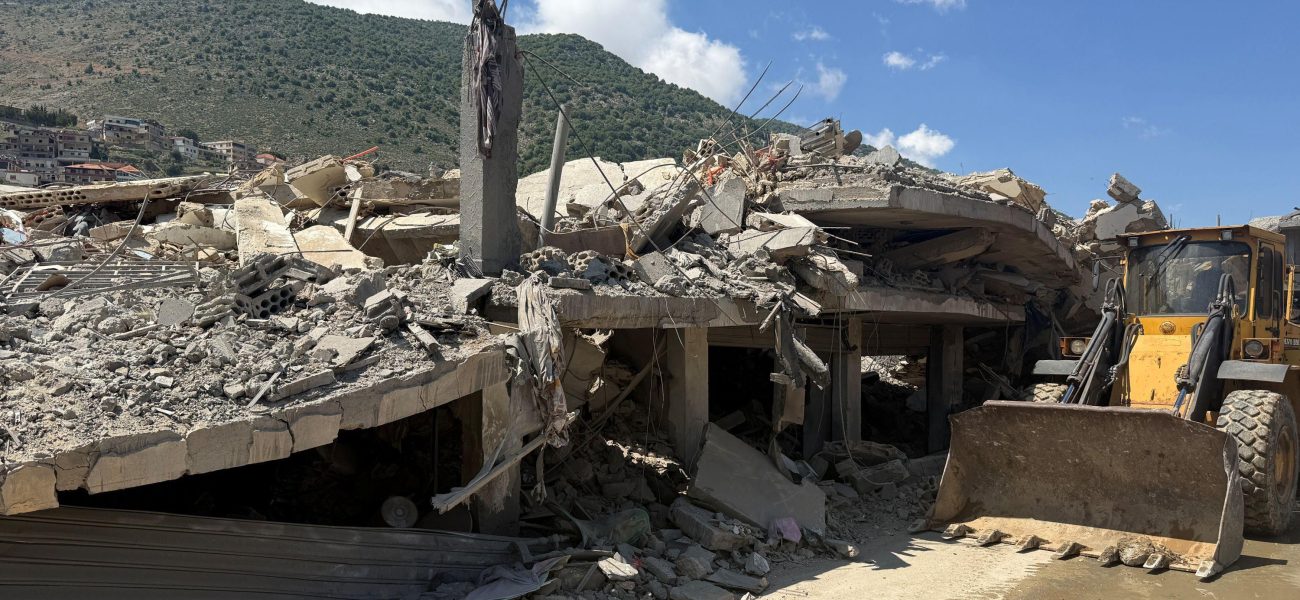
POLICY WIRE — Beirut, Lebanon — It isn’t just the shattered windows or the dust settling like a shroud over residential streets that tell the story. It’s the abrupt, bone-jarring silence afterward—that momentary, deafening vacuum where life used to be, now just memories hanging heavy in the air. For communities in southern Lebanon, that silence just got a whole lot deeper, far too frequently. When rockets scream, it’s not just infrastructure taking a hit; it’s the very fabric of human endurance. These days, there’s little peace to be found near the border, especially when another Israeli intensification campaign leaves eleven people dead in a Lebanese village. A chilling tally, one that ripples far beyond this one tragic incident, pulling at the threadbare edges of regional stability.
It’s a grim arithmetic of escalation that regional observers know all too well. Israeli military operations are increasing, obviously, and these borderlands—once a bustling thoroughfare for cross-border families, now a frontline in a seemingly endless conflict—bear the brunt of it. We’ve seen this particular dance before. One action, then another, until it feels like everyone’s been drawn into some sort of tragic waltz, one with increasingly higher stakes and devastating consequences. Locals describe the conditions as [QUOTE_PLACEHOLDER]—a feeling of being trapped between two unyielding forces. It’s a miserable way to live, plain — and simple.
The latest barrage wasn’t some isolated skirmish; it’s part of a broader, more aggressive posture. Think of it as a low-grade fever that periodically spikes into something much nastier. Military analysts are suggesting the scale and frequency are a calculated attempt to push back on [QUOTE_PLACEHOLDER], or perhaps to redraw unspoken lines in the sand, daring someone—anyone—to cross them. The civilian casualty count from such intense shelling campaigns isn’t just collateral damage; it’s a cold, hard indicator of the conflict’s trajectory. And honestly, it doesn’t look good.
Consider the psychological toll alone. Imagine trying to run a shop, teach your kids, or simply get through a Tuesday when the rumble of distant explosions becomes background noise. People don’t just ‘get used to it.’ They just… learn to live with a knot in their stomachs. Many of ’em can’t anymore. The United Nations High Commissioner for Refugees (UNHCR) reported in March that over 90,000 individuals have been internally displaced in south Lebanon since October, forced to abandon their homes and livelihoods for safer, albeit often meager, accommodations. That’s ninety thousand human lives upended. That isn’t a small number, not when you consider the fragility of Lebanon’s already struggling economy — and governance.
Because every strike isn’t just an impact on the ground; it’s an impact on the perception of vulnerability and justice across the wider Muslim world. From Islamabad to Jakarta, these events are tracked, debated, — and remembered. And that memory often hardens resolve, inflames narratives. Pakistan, a country that understands regional flashpoints and their unpredictable ripple effects better than most, views such escalations with grave concern. Not because of direct involvement, but because instability in one corner of the Muslim world often reverberates across the whole. It strains alliances, radicalizes fringes, — and complicates an already complex global geopolitical landscape.
These latest events certainly don’t exist in a vacuum. They sit uneasily against a backdrop of wider geopolitical maneuvers—the shifting sands of Middle Eastern alliances, proxy skirmishes playing out across multiple borders, and an enduring struggle for regional influence. Everyone’s got an agenda here, and sometimes, the lives of ordinary citizens simply become a sad footnote in bigger power plays. It’s a heavy price to pay for what some consider strategic posturing, no matter what side you’re on. One has to wonder at what point the cost-benefit analysis shifts, at what point the ‘intensified strikes’ cease to be a deterrent and become an accelerant.
And it’s not just the direct casualties either. The slow, grinding erosion of civil society, the constant anxiety, the collapse of local economies—these are also consequences, often harder to quantify but no less destructive. You don’t rebuild a community just by putting bricks back together; you rebuild trust, opportunity, a sense of security. And right now, trust feels like the scarcest commodity along that border, scarcer even than clean water or steady electricity.
What This Means
This renewed intensification marks a worrying uptick in a conflict already simmering at a dangerous heat. Politically, it signals a hardening of positions — and a potential, albeit unwanted, expansion of military engagement. The immediate political implication for Lebanon’s fractured government is immense pressure—they’re forced to navigate domestic anger, international scrutiny, and the ever-present threat of wider conflict. Economically, these strikes further decimate a region already teetering on the brink. Farming, tourism, small businesses—all become impossible under the constant threat of bombardment. The displacement of over 90,000 people creates an internal refugee crisis that drains meager state resources and exacerbates humanitarian concerns. the persistent violence plays directly into narratives of instability and conflict that other regional players, like Iran, can leverage for their own geopolitical ambitions, thus maintaining their influence. For Western powers, it means another headache in a region already brimming with them, threatening global energy markets and creating a deeper chasm in diplomatic relations. It isn’t just about this one village; it’s about the ever-present danger of the entire region tumbling into a conflict that no one can truly control, a point highlighted by analyses of the region’s long-term instability. It’s the kind of complex, high-stakes game that makes you think of other areas where the lines are blurring between local sport and global power dynamics, like the IPL Playoffs, where legends are forged and fortunes flicker, only here, it’s lives, not championships, hanging in the balance. But what’s genuinely disconcerting is how swiftly this localized violence could trigger broader, destabilizing forces felt across the wider Muslim world, impacting security dialogues from Morocco to the Malaysian Peninsula, similar to the broader implications of executive power plays impacting immigration policy—decisions that have far-reaching human consequences.