


Paris vs. Munich: A High-Stakes Gambit Where Hubris Meets Measured Intent
POLICY WIRE — Paris, France — It isn’t just a football match; it’s a multi-billion-euro ballet of ambition and capital, playing out on Europe’s most coveted stage. And at its core,...

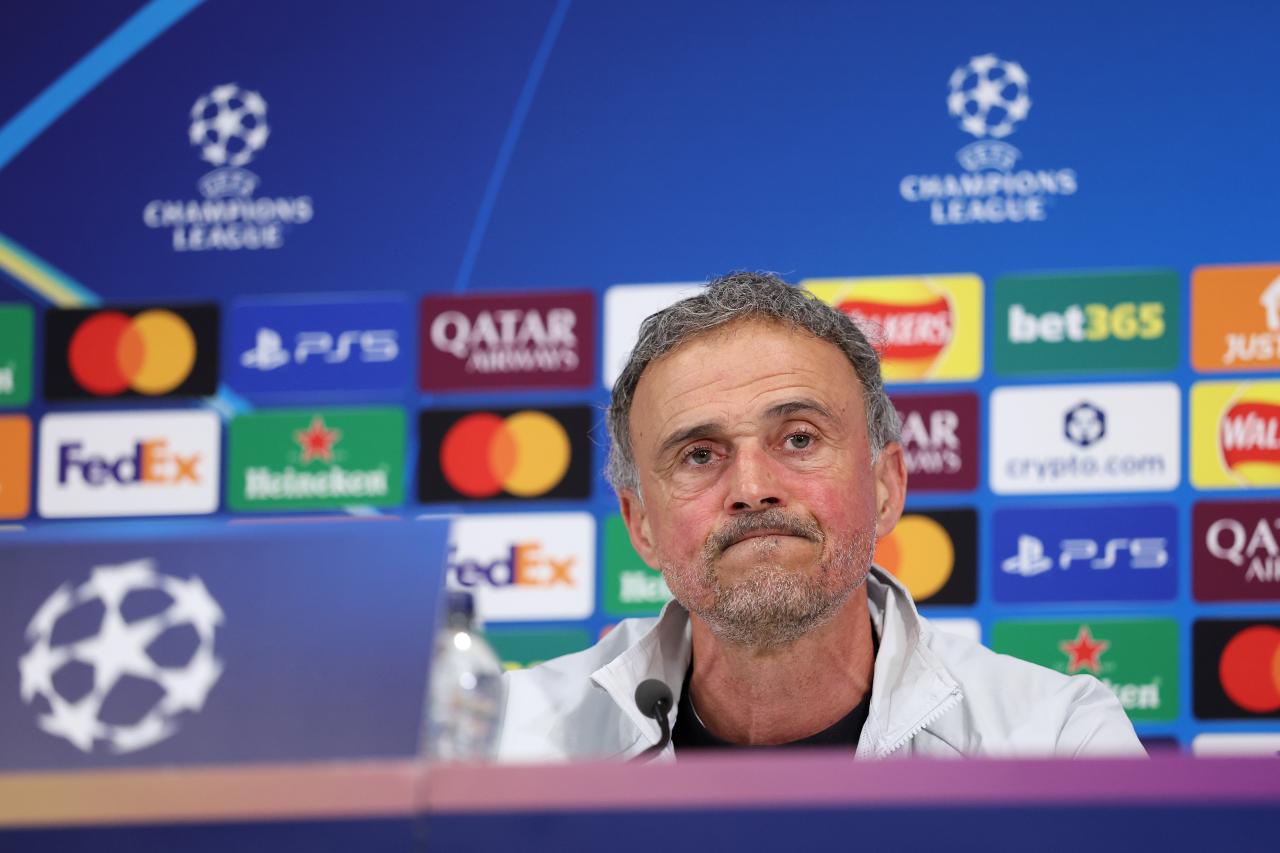
POLICY WIRE — Paris, France — It isn’t just a football match; it’s a multi-billion-euro ballet of ambition and capital, playing out on Europe’s most coveted stage. And at its core, as Paris Saint-Germain prepares to lock horns with Bayern Munich in their Champions League semi-final first leg, lies a fascinating study in leadership styles. One might expect a cagey pre-match preamble, a masterclass in psychological subterfuge. Instead, PSG’s head coach, Luis Enrique, has opted for a far less subtle approach, throwing down a gauntlet of almost breathtaking self-belief.
His pronouncement wasn’t merely confident; it bordered on an imperial decree: “Based on what we’re showing as a team, there’s no one better than us.” This isn’t the quiet assurance of a seasoned tactician; it’s the roar of a man convinced of his own side’s inherent supremacy, delivered with the kind of unflinching directness that often precedes either triumph or a very public humbling. He wasn’t just talking about attacking statistics, you see, but a holistic dominance—defensive solidity included—which, frankly, hasn’t always been PSG’s calling card on the grandest European nights.
Still, the Spaniard’s bravado wasn’t without its caveats, however fleeting. He did, almost begrudgingly, concede that Bayern exhibited slightly superior consistency, having suffered a mere two losses this season. But the underlying message was clear: consistency, for PSG, is secondary to sheer, undeniable, explosive quality. It’s a philosophy born of vast investment (the Qatari Sports Investments ownership, we’re told, has poured billions into the Parisian club since 2011) and an unwavering belief in individual brilliance to overwhelm collective systems. He’s betting on Kylian Mbappé — and company, isn’t he? It’s a high-stakes wager, even for those accustomed to such financial gambles.
So, what does this aggressive pre-game rhetoric signify for Bayern Munich — and their manager, Vincent Kompany? Kompany, a figure known more for his measured demeanor than public declarations of invincibility, offered a starkly contrasting perspective. “We respect any opponent at this level, particularly a side of PSG’s undeniable individual brilliance,” Kompany retorted when pressed on Enrique’s comments. “But Bayern’s ethos has always been built on collective strength and tactical rigor; that’s where our focus lies.” It’s a subtle dig, perhaps, at PSG’s perceived reliance on superstar power over systemic cohesion. Kompany’s acknowledgement of Bayern’s difficulty as an opponent, and his admiration for coaches who champion attacking football—a nod to his own tactical leanings—underscores a confidence born of an entirely different pedigree: the storied German club’s institutional memory of success.
Behind the headlines, this isn’t just a clash of footballing titans; it’s a collision of economic models and global aspirations. The Champions League, with its immense broadcast revenues and corporate sponsorships, serves as a powerful projection of soft power. For instance, global viewership for UEFA Champions League matches, particularly the semi-finals and final, consistently exceeds 400 million unique viewers worldwide, according to UEFA’s own reports. A significant portion of this audience stems from emerging markets, including the avid football enthusiasts across South Asia and the broader Muslim world. Countries like Pakistan, where interest in European football has surged, represent burgeoning markets for merchandise, streaming services, and a captive audience for brands associated with these clubs. It’s no coincidence that major sponsorship deals often reflect an understanding of this globalized fanbase.
Enrique’s tactical blueprint, emphasizing relentless attack even against formidable wingers like Bayern’s Luis Díaz and Michael Olise, further illuminates this high-wire approach. “Do you think we won the Champions League with Mendes — and Hakimi only in defense? Of course they’ve to defend, but to win you have to attack as much as possible,” he shot back at a journalist inquiring about his full-backs. He’s not calculating; he’s committed to an all-out offensive, a strategy that could either dismantle Bayern’s disciplined structure or leave PSG dangerously exposed. It’s a binary choice, a complete embrace of aggressive football – a testament to the modern game’s demand for spectacle, not just victory.
What This Means
This encounter transcends mere sport; it’s a microcosm of the evolving geopolitics of global entertainment. Enrique’s outspokenness, while potentially a calculated psychological gambit, also reflects the intense pressure on managers of mega-clubs — especially those backed by sovereign wealth. Their mandates aren’t just to win, but to dominate, to project an image of invincibility, and to justify astronomical investments. A victory for PSG wouldn’t only inch them closer to their long-sought European crown but would also validate a strategy built on opulence and audacious confidence, potentially influencing other state-backed entities eyeing similar ventures. Conversely, a Bayern triumph would reinforce the enduring power of traditional footballing giants, built on a foundation of shrewd management, tactical innovation, and a culture of sustained success, rather than sheer financial might. The outcome, therefore, carries weight far beyond the pitch, resonating in boardrooms and diplomatic circles as much as in fan forums. It’s not just about who’s better; it’s about what kind of football, what kind of club model, will ultimately prevail in the global arena.
And so, as the floodlights prepare to illuminate the Parc des Princes, the stage is set for more than just a football match. It’s a clash of philosophies, a test of wills, and a very public referendum on the merits of unbridled optimism versus steadfast pragmatism. We’ll soon discover which approach carries the day.