


Crude Contradiction: Nations Grapple with Fossil Fuel Exit as Geopolitical Turmoil Fuels Global Thirst
POLICY WIRE — Geneva, Switzerland — While global supply chains shudder under the weight of escalating energy prices, and geopolitical flashpoints ignite anew in the Middle East, an incongruous...

POLICY WIRE — Geneva, Switzerland — While global supply chains shudder under the weight of escalating energy prices, and geopolitical flashpoints ignite anew in the Middle East, an incongruous tableau unfolded in Geneva. Here, policymakers convened, earnestly debating the accelerating exit from fossil fuels—a lofty ambition jarringly juxtaposed against a world ravenous for every barrel, every cubic foot of gas, it can get its hands on. It’s a paradox of our age, really; one foot on the accelerator, the other on the brake, but the vehicle’s skidding.
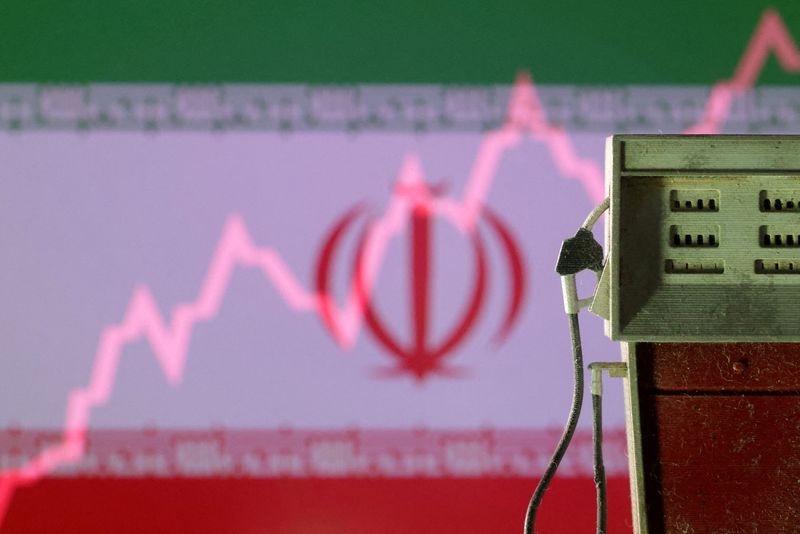
The immediate impetus for this economic whiplash isn’t shrouded in mystery. Iranian saber-rattling and its concomitant disruption to vital shipping lanes, particularly through the Strait of Hormuz, have sent ripples—nay, tidal waves—across the global energy market. Futures trading desks, typically bastions of cool calculation, are instead awash in frantic speculation. And Brent crude, the international benchmark, has surged over 15% in just the past quarter, mirroring the broader geopolitical instability that often dictates its trajectory, according to data compiled by Bloomberg Terminal.
But the Geneva talks, pre-scheduled and meticulously planned, were meant to chart a course for a cleaner future, for a world less beholden to the whims of petro-states and volatile regions. So, there they sat, representatives from dozens of nations, ostensibly committed to decarbonization. And yet, the underlying reality, a rather crude one, is that the current crisis isn’t diminishing demand for hydrocarbon energy; it’s amplifying the clamor for secure, albeit expensive, supplies. It’s an uncomfortable truth for many.
“We recognize the immediate pressures—the pain at the pump, the inflationary spikes—but the long-term trajectory toward a fossil fuel-free future remains non-negotiable for our planet’s survival,” remarked French Minister for Ecological Transition, Agnès Pannier-Runacher, addressing reporters with a practiced diplomatic calm. It’s a stance many developed nations echo, often from positions of relative energy security, or at least a robust capacity to absorb price shocks.
Still, the view from the developing world, particularly from nations already teetering on economic precipices, is starkly different. “While Paris debates futures, Karachi needs fuel for today. Our economies, our very stability, hinge on affordable energy right now, irrespective of its origin,” shot back Pakistan’s Federal Minister for Energy, Muhammad Hammad Azhar, during a terse press briefing that underscored the deep divide. Pakistan, like many South Asian — and Muslim-majority nations, remains heavily reliant on imported oil and gas. These nations face a cruel dilemma: pursue expensive, long-term green transitions while their populations grapple with immediate energy poverty and the specter of civil unrest sparked by soaring living costs. It’s a genuine existential quandary for them.
Behind the headlines of multilateral climate pledges, the immediate scramble for fossil fuels is fostering new alliances and reshaping old ones. Nations are securing long-term supply deals, often at premium prices, implicitly extending their dependence on the very resources they publicly vow to abandon. It’s an economic lifeline, certainly, but also a strategic capitulation to the present moment.
At its core, this situation illuminates the profound chasm between aspirational climate goals and the brutal exigencies of energy security. It underscores how quickly geopolitical tremors can derail even the most concerted efforts toward a sustainable future. Suddenly, the nuanced discussions about renewable energy subsidies or carbon capture technologies seem distant, almost quaint, against the backdrop of tankers navigating contested waters and the immediate fear of global recession.
What This Means
The current confluence of geopolitical instability and energy market volatility isn’t merely a temporary blip; it’s a foundational stress test for global climate commitments and, more broadly, for international cooperation. Economically, we’re witnessing a renewed inflationary spiral, exacerbated by higher energy costs permeating every sector—from manufacturing to transportation. Consumers in developed nations will feel the pinch, but those in vulnerable, energy-importing economies, like Pakistan, Bangladesh, and many across Africa, could face catastrophic economic downturns and heightened social unrest. Their governments, already strained, will find it impossible to ignore the immediate need for cheap power in favor of abstract, future-oriented climate targets.
Politically, the crisis empowers fossil fuel-producing nations, bolstering their leverage on the world stage even as their long-term prospects diminish. It forces a recalibration of diplomatic priorities, with energy security climbing to the top of almost every nation’s agenda. This could lead to a fragmentation of climate blocs, as nations prioritize national survival over collective action. it highlights the vulnerability of the global system to regional conflicts, demonstrating how a localized crisis can swiftly become a global economic cataclysm. The much-touted push for electric vehicles, for instance, exemplified by breakthroughs like BYD’s advanced Denza Z, seems a distant utopia when the immediate concern is simply affording gasoline. We’re at a crossroads, aren’t we? The path chosen now, out of necessity or conviction, will define the next decade.