


Youth’s Unforgiving Ascent: Premier League’s New Kings Don’t Wait for Grey Hairs
POLICY WIRE — London, UK — The notion that wisdom only blossoms with age often dies hard in most professions. Not so in elite European football, where grey hairs are increasingly less a badge of...

POLICY WIRE — London, UK — The notion that wisdom only blossoms with age often dies hard in most professions. Not so in elite European football, where grey hairs are increasingly less a badge of experience and more—well, just grey hairs. A generation of ambitious, fresh-faced strategists is storming the dugouts, often bypassing the traditional climb to the top, throwing conventional wisdom about ‘seasoned pros’ right out the window. It’s a risky bet many clubs are taking. Sometimes, it pays off, dramatically.
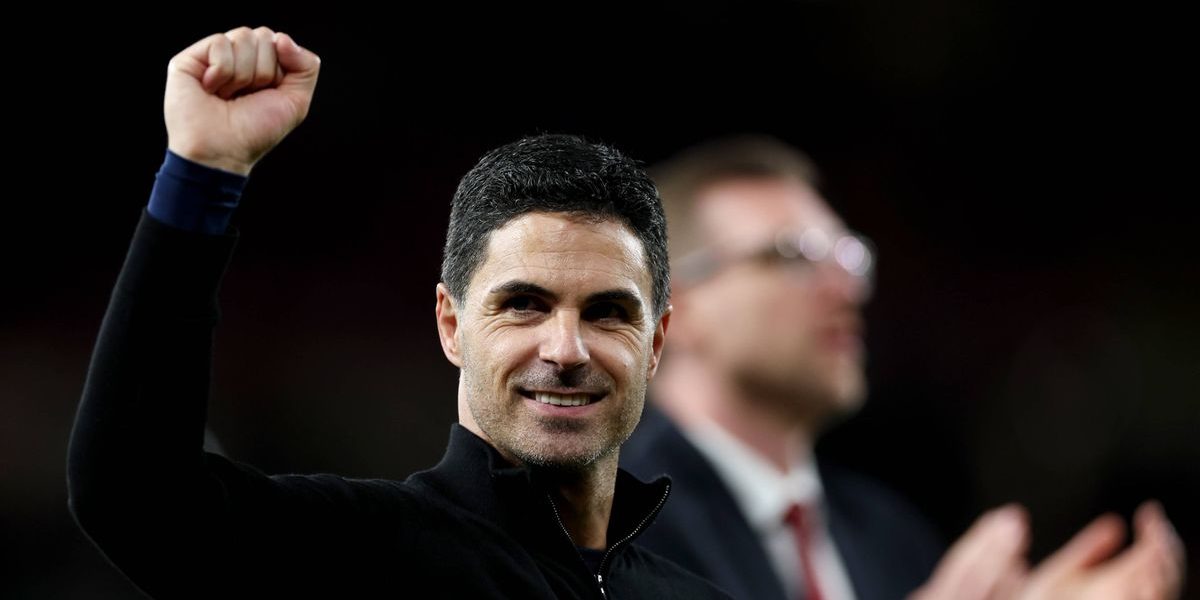
Take Mikel Arteta at Arsenal. For a club that hadn’t hoisted the Premier League trophy in 22 years—a virtual eternity in football terms—bringing in a managerial debutant, albeit a former captain, felt like either genius or madness. Turns out, it was the former. The Spaniard, aged 44 years and 54 days when his Gunners finally clinched it, just slid into second place on the list of the Premier League’s youngest title-winning gaffers. He wasn’t the youngest, no, but his journey? That was certainly a rollercoaster.
And then there’s the true pioneer of youthful managerial swagger: José Mourinho. The self-proclaimed ‘Special One’ kicked things off with Chelsea back in 2005. He was a mere 42 years and 94 days old, fresh off a Champions League shocker with Porto, when he strolled into Stamford Bridge and completely rewrote the rules. His Chelsea side didn’t just win; they bulldozed, conceding a paltry 15 goals all season, an all-time Premier League record, according to Opta data. That wasn’t just a win; it was a statement. A full-throated declaration that young blood, even when seemingly unproven at the very top, could deliver immediate, devastating results.
But the ‘young gun’ narrative isn’t always linear. Consider Kenny Dalglish, another manager who snatched the title at 44. His story with Blackburn in ’95 was different—he’d been around the block, seen it all, done it all, really, since his player-manager days. And Pep Guardiola? The Manchester City maestro hit his first Premier League title at 47, already boasting a trophy cabinet most managers could only dream of. His arrival in England was less a gamble, more an inevitable conquest. But look at Arne Slot, just landing at Liverpool and immediately securing a title at 46; a clear indication that new blood can swiftly leave its mark.
“We didn’t just buy a manager; we invested in a philosophy,” Arsenal CEO Vinai Venkatesham remarked, following Arteta’s triumph. “This victory, particularly with Mikel at the helm, proves that strategic patience isn’t a fairy tale—it’s a viable blueprint for enduring success.” It suggests that perhaps the Premier League, an arena notorious for its instant gratification and hair-trigger sackings, might actually be cultivating an environment for longer-term projects, particularly when the man at the front is relatively young.
Because, for every Arteta or Mourinho who thrives, there’s a myriad of other young bosses who simply don’t make the cut. It’s an unforgiving circuit, this Premier League. But the allure persists, radiating far beyond England’s shores. From London pubs to the bustling chai shops of Lahore, the Premier League’s drama—its young heroes, its grizzled veterans, its sudden upsets—is global entertainment. Pakistanis, like countless others across the Muslim world and South Asia, don’t just watch football; they devour its narratives, its shifts in power, its evolving definitions of genius. Just ask anyone who follows the game about the deep passion for English football in cities like Karachi or Islamabad – the storylines resonate deeply.
Richard Masters, the Premier League’s chief executive, captured this phenomenon when he noted, “The Premier League thrives on these narratives of renewal. It isn’t just about tactical brilliance; it’s about charisma, resilience, and a generational shift that’s electrifying the global fanbase, from London to Lahore.” This isn’t just about young coaches. It’s about how global capitalism has shaped expectations, and how media, especially digital, magnifies every success and failure, turning coaches into instant legends or cautionary tales.
What This Means
The ascendancy of younger managers like Arteta signals a deeper shift in how elite football clubs operate—a tactical gamble that’s becoming the new orthodoxy. It points to a growing organizational comfort with promoting internal candidates or poaching relatively untested figures based on potential, rather than relying solely on the old guard with decades of management under their belt. Economically, this can be a calculated risk. A younger manager, often on a lower initial salary than a proven veteran, represents an investment in a ‘project’ that could yield massive long-term returns in merchandise, global branding, and ultimately, on-field success. But this comes with immense pressure, an immediate demand for tactical novelty, and often, an expectation to ‘modernize’ a club’s identity. It could also push clubs to invest more heavily in cutting-edge analytics and sports science, tools often favored by this tech-savvy new breed of boss. For fans, and the billions watching the financial behemoth that’s the Premier League, it suggests an increasingly volatile, exciting, and perhaps slightly ruthless, era where experience doesn’t automatically trump audacity.