

Pakistan’s Golden Hour: Igniting CPEC and Global Trade Leadership
In the midst of geopolitical turmoil, where the drums of war echo across the Middle East, Pakistan stands poised not as a bystander, but as a beacon of resilience and opportunity. The effective...

In the midst of geopolitical turmoil, where the drums of war echo across the Middle East, Pakistan stands poised not as a bystander, but as a beacon of resilience and opportunity. The effective closure of the Strait of Hormuz, triggered by escalating conflicts involving Iran, the United States, and Israel, has sent shockwaves through global energy markets, halting the flow of roughly 20% of the world’s oil and liquefied natural gas. Tanker traffic has plummeted, insurers have pulled coverage, and nations worldwide are scrambling for alternatives. Yet, amid this chaos, Pakistan has stepped forward with a bold offer, transshipment facilities at its key ports of Karachi, Port Qasim, and Gwadar. This move is not just pragmatic, it is a masterstroke that could catapult Pakistan into a new era of economic prosperity and strategic relevance.
The crisis unfolded rapidly. Following U.S. and Israeli strikes on Iran in late February 2026, Tehran responded by effectively sealing the strait through threats, drone attacks, and naval disruptions. By early March, commercial maritime traffic had dropped by as much as 80%, with major carriers suspending operations and oil prices surging. The ripple effects are profound as supply chains disrupted, energy costs skyrocketing, and economies from Europe to Asia feeling the pinch, but for Pakistan, this is not a setback, it is a call to action. As Bilal Azhar Kayani, a prominent voice in Pakistani policy circles, has claimed, orders for transshipment are already being booked at these ports. With the capacity to handle up to 26,000 containers across its three major facilities, far exceeding the mere 700 containers reportedly stranded globally due to the closure, Pakistan is demonstrating its readiness to fill the void.
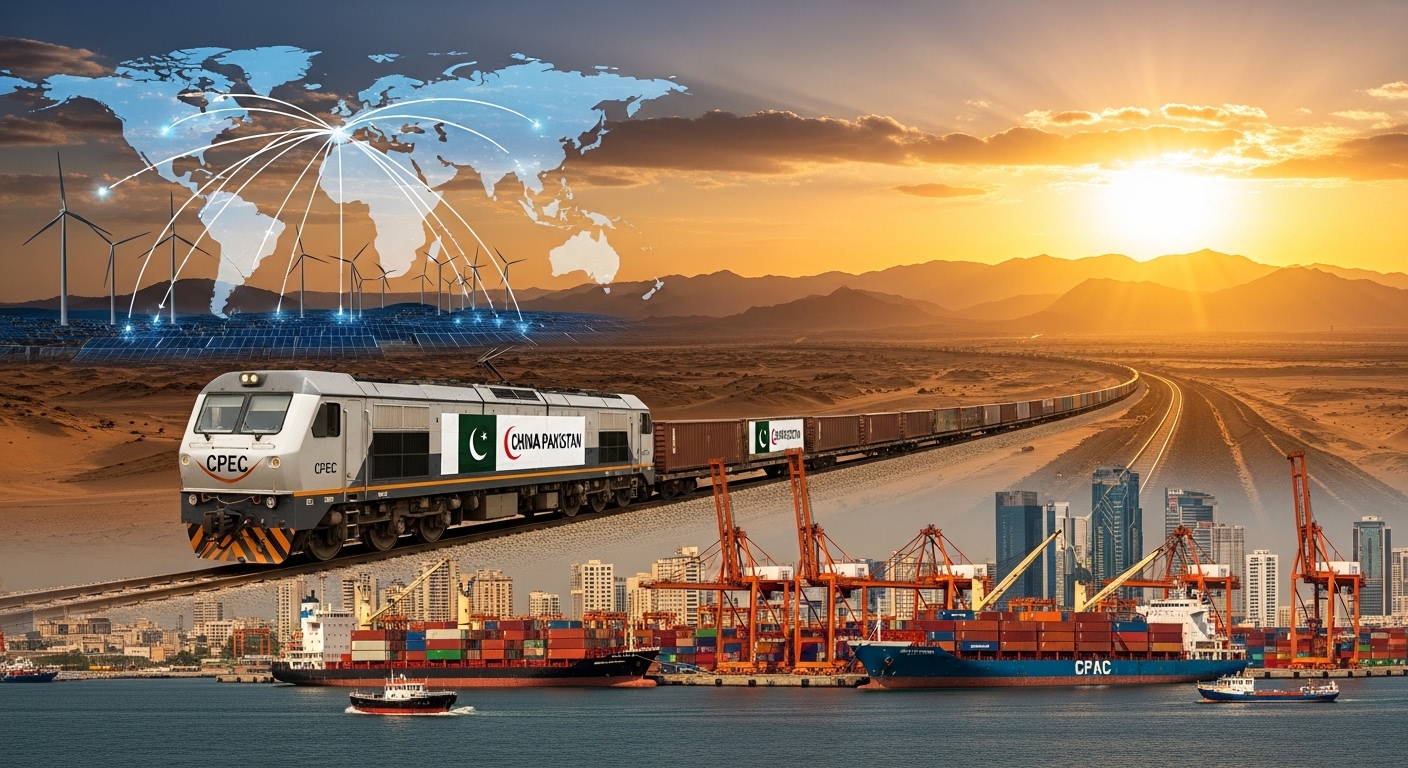
At the heart of this opportunity lies the China-Pakistan Economic Corridor (CPEC), a flagship project that has long promised to transform Pakistan’s economy. Defence analyst Syed Muhammad Ali could not have put it betteras he said that this is the “best time to activate CPEC and Gwadar Port.” Gwadar, strategically perched on the Arabian Sea, is more than just a port, it is a gateway. Connected via CPEC’s network of highways, railways, and energy infrastructure, it offers a secure alternative route for goods bypassing the volatile Persian Gulf. Imagine rerouting shipments from the Gulf states, or even facilitating oil transits from Saudi Arabia via the Red Sea, as Pakistan has reportedly explored. This is not speculation; it is a practical pivot that could generate billions in revenue, create thousands of jobs, and bolster Pakistan’s foreign exchange reserves at a time when the nation needs it most.
Moreover, this moment could accelerate Pakistan’s broader ambitions. Increased transshipment activity would spur investments in logistics, warehousing, and digital trade platforms, fostering innovation and skill development. It could also strengthen ties with neighbors and global partners, from China to the Gulf Cooperation Council states, who are equally eager for stable alternatives. Even as oil prices climb and supply chains reroute, Pakistan’s proactive stance could mitigate domestic impacts, such as potential fuel shortages from disrupted LNG imports from Qatar and the UAE. In essence, what the world sees as a crisis, Pakistan can turn into a catalyst for growth.
Of course, challenges remain. Ensuring security at these ports, streamlining customs processes, and coordinating with international stakeholders will be crucial, but Pakistan has navigated tougher waters before, from countering terrorism to managing economic reforms. As the Strait of Hormuz remains shuttered, with no quick resolution in sight, let Pakistan’s ports become the new arteries of global trade. The world needs alternatives; Pakistan is ready to provide them.
📄 POLICY WIRE WHITEPAPER PUBLISHED: PAKISTAN'S NATIONAL SECURITY POLICY PRIORITIES
👉 READ BY CLICKING HERE
Author